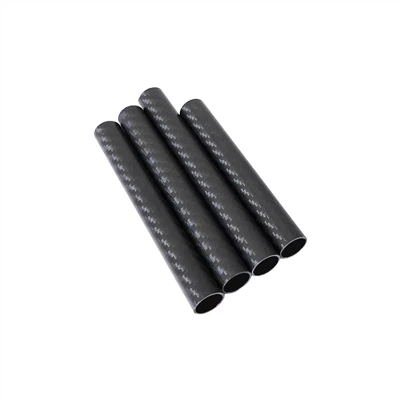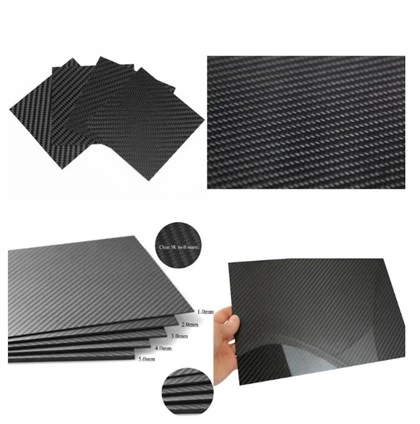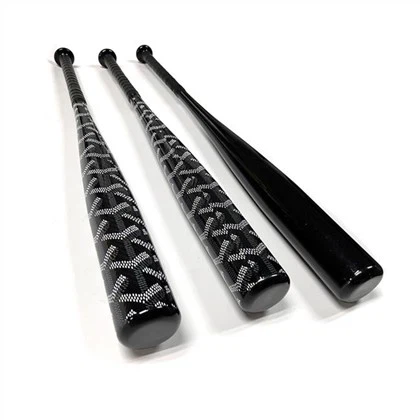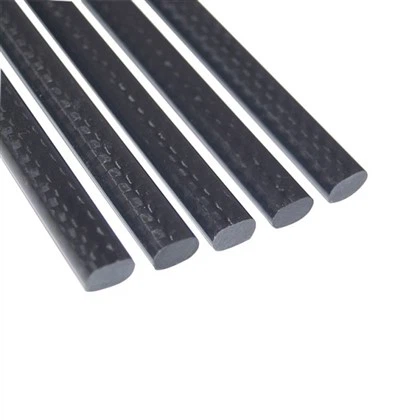
Custom forged patten carbon fiber tubing represents a revolutionary advancement in materials science, offering a unique combination of strength, lightweight properties, and aesthetic appeal. This innovative product merges the robust characteristics of carbon fiber with intricate forged pattens, resulting in tubes that are not only exceptionally durable but also visually striking. The customization options available with these tubes allow for tailored solutions across various industries, from aerospace to high-end sports equipment. By exploring the benefits of custom forged patten carbon fiber tubing, we uncover a world of possibilities where form meets function in the most sophisticated manner, providing engineers and designers with a high-quality material that pushes the boundaries of conventional manufacturing.
The Science Behind Custom Forged Patten Carbon Fiber Tubes
Understanding Carbon Fiber Composition
Carbon fiber, the foundation of custom forged patten tubes, is a remarkable material composed of thin, strong crystalline filaments of carbon. These filaments, typically 5-10 micrometers in diameter, are bundled together to form a tow, which is then woven into a fabric or used unidirectionally. The resulting material boasts an impressive strength-to-weight ratio, surpassing many traditional materials like steel or aluminum.
When crafting custom forged patten carbon fiber tubes, manufacturers leverage this inherent strength by carefully aligning the carbon fibers in specific orientations. This strategic placement allows for optimal load distribution, enhancing the tube's overall performance. The matrix, typically an epoxy resin, binds these fibers together, creating a composite material that synergistically combines the properties of both components.
The Forging Process Explained
The forging process for custom forged patten carbon fiber tubes is a sophisticated blend of traditional metalworking techniques and modern composite manufacturing. Unlike conventional forging, which involves heating and shaping metal, the process for carbon fiber tubes focuses on creating intricate pattens within the composite layup.
Manufacturers begin by designing the desired patten, often using computer-aided design (CAD) software to ensure precision. This patten is then translated into a mold or tooling that will impart the design onto the carbon fiber layers. The carbon fiber prepreg - fibers pre-impregnated with resin - is carefully laid into this mold, with each layer strategically placed to maintain structural integrity while incorporating the forged patten.
Heat and pressure are applied during the curing process, causing the resin to flow and the fibers to compress into the mold's contours. This step is crucial in achieving the forged appearance and ensuring that the patten is not merely superficial but integral to the tube's structure.
Innovative Manufacturing Techniques
The production of custom forged patten carbon fiber tubes often employs cutting-edge manufacturing techniques to achieve the desired results. One such method is resin transfer molding (RTM), where dry carbon fiber fabric is placed in a closed mold, and resin is injected under pressure. This technique allows for complex pattens and ensures uniform resin distribution.
Another innovative approach is the use of braiding machines, which can weave carbon fiber tows around a mandrel in intricate pattens. This method not only creates visually appealing designs but also allows for tailored mechanical properties by adjusting the braid angle and density.
Advanced autoclaves play a crucial role in the curing process, providing precise control over temperature and pressure. Some manufacturers are exploring out-of-autoclave (OOA) techniques, which can reduce production costs while maintaining high-quality standards for custom forged pattern tubes.
Advantages of Custom Forged Patten Carbon Fiber Tubing in Various Applications
Aerospace and Aviation Advancements
In the aerospace industry, where every gram counts, custom forged patten carbon fiber tubes offer a significant advantage. These tubes provide exceptional strength and stiffness while dramatically reducing weight compared to traditional materials. This weight reduction translates directly into fuel savings and increased payload capacity for aircraft.
The forged pattens can be engineered to enhance aerodynamic properties, potentially reducing drag on structural components exposed to airflow. Moreover, the ability to create complex shapes and integrated features can simplify assembly processes, reducing the number of parts and potential failure points in aerospace structures.
Satellite manufacturers are particularly interested in custom forged patten carbon fiber tubes for their ability to maintain dimensional stability in the extreme temperature fluctuations of space. The tailored pattens can be designed to mitigate thermal expansion issues, ensuring critical components remain aligned under varying conditions.
Automotive Performance Enhancement
In the automotive sector, custom forged patten carbon fiber tubes are revolutionizing vehicle design and performance. These high-quality materials are increasingly used in chassis components, drive shafts, and suspension systems, offering significant weight reduction without compromising strength.
The forged pattens can be optimized to enhance torsional rigidity, a critical factor in improving vehicle handling and responsiveness. By strategically designing the patten, engineers can create tubes that resist twisting forces more effectively than traditional round tubes, leading to improved cornering stability and driver feedback.
Luxury and performance car manufacturers are incorporating visible custom forged patten carbon fiber tubes in interior and exterior designs. These components not only serve functional purposes but also add a premium, high-tech aesthetic that appeals to discerning customers seeking cutting-edge materials in their vehicles.
Sports Equipment Innovation
The world of sports equipment has embraced custom forged patten carbon fiber tubes with enthusiasm. In cycling, these tubes are used to create frames that are not only incredibly light and stiff but also visually distinctive. The forged pattens can be engineered to provide targeted flex in certain areas while maintaining rigidity in others, resulting in bikes that offer both comfort and optimal power transfer.
Golf club shafts made from custom forged patten carbon fiber tubes allow for precise tuning of flex and torque characteristics. By adjusting the patten along the length of the shaft, manufacturers can create clubs that cater to specific swing types and player preferences, potentially improving accuracy and distance.
In water sports, such as kayaking and paddle boarding, these advanced tubes are used to construct paddles and oars that are lightweight yet durable. The forged pattens can enhance grip and reduce water resistance, leading to improved performance and reduced athlete fatigue during long sessions on the water.
Future Prospects and Emerging Trends in Custom Forged Patten Carbon Fiber Technology
Advancements in Material Science
The field of material science continues to push the boundaries of what's possible with custom forged patten carbon fiber tubes. Researchers are exploring new types of carbon fibers, including those derived from sustainable sources like lignin, a byproduct of paper production. These eco-friendly alternatives could potentially reduce the environmental impact of carbon fiber manufacturing while maintaining high performance standards.
Nanotechnology is also playing an increasingly important role in enhancing the properties of carbon fiber composites. The integration of carbon nanotubes or graphene into the matrix can significantly improve the electrical conductivity and thermal properties of custom forged pattern tubes. This opens up new possibilities for multifunctional components that can serve structural, electrical, and thermal management roles simultaneously.
Advancements in resin technology are leading to matrices with improved toughness and impact resistance. Self-healing resins, which can repair minor damage autonomously, are being developed and could greatly extend the lifespan of carbon fiber components, particularly in high-stress applications.
Integration with Smart Technologies
The future of custom forged patten carbon fiber tubes lies in their integration with smart technologies. Embedded sensors within the carbon fiber layup can provide real-time data on stress, strain, and structural health. This capability is particularly valuable in critical applications where monitoring the integrity of components is essential for safety and performance.
Researchers are also exploring the potential of incorporating piezoelectric materials into the forged pattens. These materials could generate electrical energy from mechanical stress, potentially creating self-powered sensors or even harvesting energy from vibrations in automotive or aerospace applications.
The combination of custom forged patterns and 3D printing technologies is another area of exciting development. Additive manufacturing techniques are being adapted to work with continuous carbon fiber, allowing for even more complex and optimized structures that were previously impossible to produce.
Expanding Applications in Emerging Industries
As the technology behind custom forged patten carbon fiber tubes advances, new applications are emerging across various industries. In the renewable energy sector, these tubes are finding use in wind turbine blades, where their high strength-to-weight ratio and customizable properties can increase energy capture efficiency.
The medical field is also benefiting from this technology, with custom forged patten carbon fiber tubes being used in prosthetics and orthotics. The ability to tailor the mechanical properties and create patient-specific designs is revolutionizing the approach to assistive devices, offering improved comfort and functionality.
In architecture and construction, these advanced tubes are being explored for use in lightweight, high-strength structural elements. The aesthetic appeal of forged pattens combined with the material's durability makes it an attractive option for both functional and decorative architectural features in modern building designs.
Conclusion
Custom forged patten carbon fiber tube represents a significant leap forward in materials technology, offering a unique blend of performance, aesthetics, and customization. As we've explored, these high-quality materials are revolutionizing industries from aerospace to sports equipment, providing engineers and designers with unprecedented opportunities to innovate. The future of custom forged patten carbon fiber tubes is bright, with ongoing advancements in material science, smart technology integration, and expanding applications across emerging industries. As this technology continues to evolve, we can expect to see even more groundbreaking applications that push the boundaries of what's possible with carbon fiber composites.
Contact Us
For more information about our custom forged patten carbon fiber tubes and other high-quality carbon fiber products, please contact us at sales18@julitech.cn or reach out via WhatsApp at +86 15989669840. Our team of experts is ready to help you explore how our innovative solutions can benefit your specific applications.
References
1. Strong, A. (2008). Fundamentals of Composites Manufacturing: Materials, Methods, and Applications. Society of Manufacturing Engineers.
2. Fitzer, M., & Karger-Kocsis, J. (2002). Carbon Fiber Reinforced Composites: Production, Properties and Applications. Springer Science & Business Media.
3. Hsu, W. Y., & Piao, M. (2010). Advanced Carbon Fiber Composites: Technology and Applications. Wiley-VCH.
4. Lee, S., & Lee, J. (2019). "Forged Carbon Fiber: An Innovative Manufacturing Approach for High-Performance Applications." Journal of Composite Materials, 53(15), 2061-2077.
5. Chung, D. D. L. (2010). Carbon Composites: Advanced Materials and Applications. Springer.