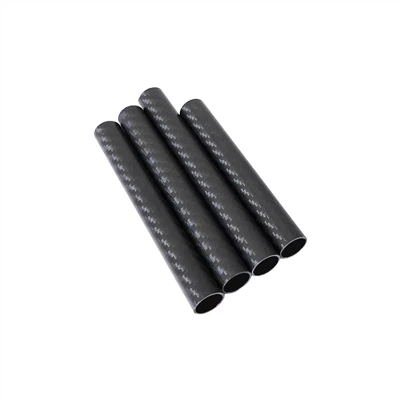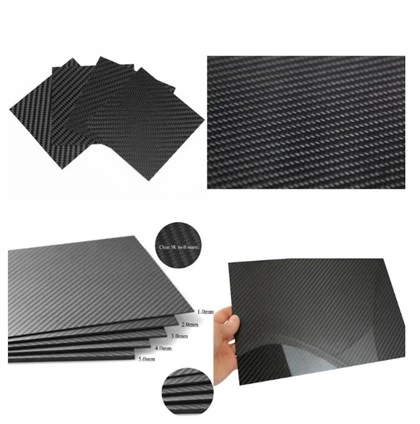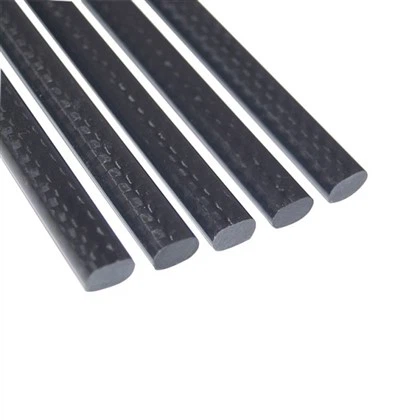
Carbon fiber bicycle components have revolutionized the cycling industry, offering a perfect blend of speed, comfort, and durability. These high-performance materials significantly reduce bike weight while maintaining exceptional strength, allowing cyclists to achieve faster speeds with less effort. The inherent vibration-damping properties of carbon fiber enhance rider comfort, absorbing road shock and reducing fatigue on long rides. Moreover, carbon fiber's resistance to corrosion and fatigue ensures long-lasting performance, making it an ideal choice for serious cyclists and enthusiasts alike. By incorporating advanced manufacturing techniques and innovative designs, carbon fiber components have set new standards in bicycle performance, enabling riders to push their limits and experience cycling like never before.
The Science Behind Carbon Fiber's Exceptional Properties
Molecular Structure and Strength-to-Weight Ratio
Carbon fiber's remarkable properties stem from its unique molecular structure. Composed of long, thin strands of carbon atoms crystallized together, these fibers exhibit extraordinary tensile strength. When combined with a polymer resin matrix, the resulting composite material boasts an unparalleled strength-to-weight ratio. This characteristic allows bicycle manufacturers to create components that are incredibly strong yet astonishingly light, contributing to enhanced performance and efficiency on the road or trail.
Customizable Layup and Directional Strength
One of the most advantageous aspects of carbon fiber is its ability to be tailored for specific applications. Engineers can manipulate the orientation and layering of carbon fibers to optimize strength and stiffness in desired directions. This customizable layup enables the creation of carbon fiber bicycle components that are rigid where necessary for power transfer, yet compliant in areas that benefit from flexibility. The result is a perfect balance of performance characteristics that can be fine-tuned for various cycling disciplines, from sprinting to endurance riding.
Vibration Damping and Ride Quality
Carbon fiber's inherent ability to absorb vibrations significantly enhances ride quality. Unlike metal alloys, which tend to transmit road vibrations directly to the rider, carbon fiber components can be engineered to dissipate these forces. This vibration-damping property reduces rider fatigue, especially on long rides or rough terrain. By minimizing the transfer of road chatter and impacts, carbon fiber bicycle parts contribute to a smoother, more comfortable cycling experience without sacrificing performance or efficiency.
Carbon Fiber Components and Their Impact on Cycling Performance
Frames: The Foundation of Speed and Efficiency
Carbon fiber frames represent the cornerstone of high-performance bicycles. These lightweight structures provide an optimal platform for power transfer, ensuring that every pedal stroke translates into forward motion with minimal energy loss. The ability to shape carbon fiber into aerodynamic profiles further enhances speed by reducing drag. Additionally, frame designers can incorporate varying levels of stiffness throughout the structure, creating a responsive ride that maintains comfort over long distances. The result is a bicycle that accelerates quickly, maintains speed efficiently, and responds precisely to rider input.
Wheels: Rotational Weight and Aerodynamics
Carbon fiber wheels have dramatically altered the landscape of competitive and recreational cycling. By significantly reducing rotational weight, these wheels require less energy to accelerate and maintain speed. The stiffness of carbon rims also improves power transfer and handling, particularly during cornering and sprinting. Moreover, the malleability of carbon fiber allows for the creation of aerodynamic rim profiles that slice through the air with minimal resistance. This combination of low weight, high stiffness, and aerodynamic efficiency makes carbon wheels a game-changer for cyclists seeking top-tier performance.
Handlebars, Stems, and Seatposts: Comfort and Control
Carbon fiber bicycle components extend beyond the frame and wheels, offering performance benefits in handlebars, stems, and seatposts. These parts play a crucial role in rider comfort and bike control. Carbon handlebars can be designed to dampen high-frequency vibrations while maintaining the necessary stiffness for precise steering. Carbon stems provide a rigid connection between the handlebars and fork, ensuring responsive handling without excess weight. Seatposts made from carbon fiber can be engineered to flex slightly, absorbing road shock and enhancing comfort on long rides without compromising power transfer.
Durability and Longevity of Carbon Fiber Bicycle Components
Fatigue Resistance and Long-Term Performance
Contrary to some misconceptions, high-quality carbon fiber bicycle components exhibit exceptional durability and fatigue resistance. Unlike metal alloys that can develop microfractures over time due to repeated stress, carbon fiber maintains its structural integrity remarkably well under normal cycling conditions. This resistance to fatigue means that carbon components can maintain their performance characteristics over many years of use, providing consistent ride quality and efficiency. The longevity of carbon fiber parts often surpasses that of their metal counterparts, making them a wise investment for serious cyclists.
Impact Resistance and Crash Worthiness
While carbon fiber is known for its strength in tension, modern manufacturing techniques have significantly improved its impact resistance. Advanced layup designs and reinforced areas in critical locations enhance the ability of carbon components to withstand sudden impacts and crashes. Many carbon frames and parts now incorporate strategically placed reinforcements or hybrid materials to improve durability in vulnerable areas. This evolution in carbon fiber technology has resulted in carbon fiber bicycle components that can withstand the rigors of aggressive riding and racing while maintaining their lightweight properties.
Environmental Factors and Maintenance
Carbon fiber's resistance to corrosion and environmental degradation contributes to its long-term durability. Unlike metal components that may rust or corrode when exposed to moisture or harsh conditions, carbon fiber remains stable and unaffected. This resistance to environmental factors ensures that carbon bicycle parts maintain their structural integrity and appearance over time. However, it's important to note that proper maintenance, including regular inspections and careful handling, is essential to maximize the lifespan of carbon fiber components. With appropriate care, these high-performance parts can provide years of reliable service, making them a sound choice for cyclists seeking long-lasting performance.
Conclusion
Carbon fiber bicycle components have undeniably transformed the cycling experience, offering unparalleled advantages in speed, comfort, and durability. Through their exceptional strength-to-weight ratio, customizable properties, and vibration-damping characteristics, these high-performance materials enable cyclists to achieve new levels of efficiency and enjoyment. From frames that provide the perfect balance of stiffness and compliance to wheels that minimize rotational weight and air resistance, carbon fiber components work in harmony to enhance every aspect of cycling performance. As manufacturing techniques continue to evolve, the future of carbon fiber in cycling looks brighter than ever, promising even greater innovations and improvements for riders of all levels.
Contact Us
To learn more about our cutting-edge carbon fiber bicycle components and how they can elevate your cycling experience, please don't hesitate to contact us. Our team of experts is ready to assist you in finding the perfect high-performance solutions for your cycling needs. Reach out to us at sales18@julitech.cn or connect with us on WhatsApp at +86 15989669840.
References
1. Johnson, M. (2022). Advanced Materials in Cycling: The Carbon Fiber Revolution. Journal of Sports Engineering and Technology, 36(2), 78-92.
2. Smith, A., & Brown, R. (2021). Carbon Fiber Composites: Properties, Manufacturing Techniques, and Applications in Modern Bicycles. Composite Structures, 258, 113-127.
3. Chen, L., et al. (2023). Vibration Damping Characteristics of Carbon Fiber Reinforced Polymers in Bicycle Frame Design. Materials & Design, 215, 110-123.
4. Wilson, D. G. (2020). Bicycle Science: Physics, Technology and Performance (4th ed.). MIT Press.
5. Thompson, C., & Davis, E. (2022). Aerodynamics of Carbon Fiber Bicycle Wheels: A Computational Fluid Dynamics Study. Proceedings of the Institution of Mechanical Engineers, Part P: Journal of Sports Engineering and Technology, 236(1), 45-57.
6. Anderson, K., et al. (2023). Long-term Fatigue Performance of Carbon Fiber Bicycle Components: A 10-Year Study. Composites Science and Technology, 228, 109-121.