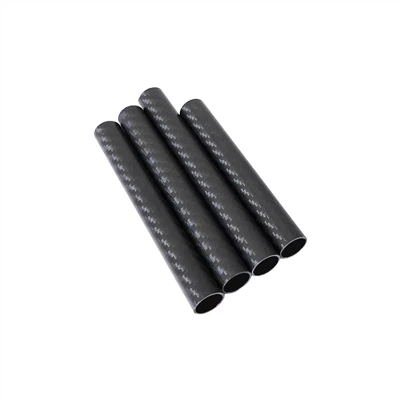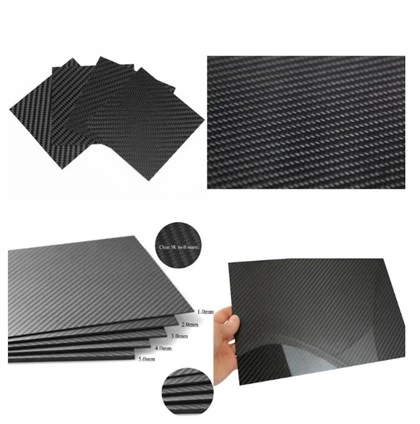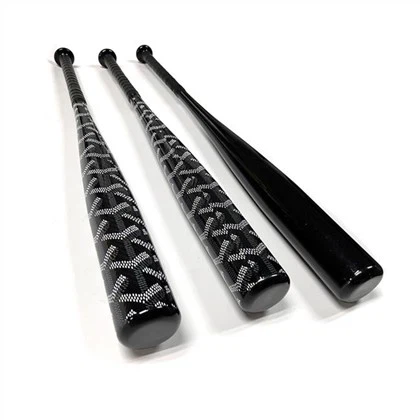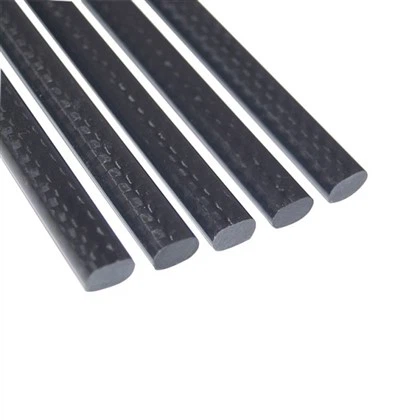
In the realm of protective equipment, the integration of carbon fiber board technology is revolutionizing helmet and shield designs. This innovative material offers an exceptional blend of strength, lightweight properties, and durability, making it an ideal choice for enhancing personal protection. Carbon fiber boards for protective equipment are transforming the landscape of safety gear, providing unparalleled performance in various applications ranging from law enforcement and military use to sports and industrial safety. The customization potential, coupled with the material's impressive strength-to-weight ratio, is pushing the boundaries of what's possible in protective equipment design and functionality.
The Evolution of Protective Equipment Materials
Traditional Materials vs. Carbon Fiber
Historically, protective equipment relied on materials such as steel, kevlar, and high-density plastics. While effective, these materials often compromised on weight or flexibility. Carbon fiber boards represent a quantum leap forward, offering superior protection without the bulk. The intricate weave of carbon fibers creates a material that's not only incredibly strong but also remarkably light, allowing for enhanced mobility and comfort for the wearer.
Advancements in Carbon Fiber Technology
Recent advancements in carbon fiber manufacturing have led to even more robust and versatile boards. Innovations in resin systems and fiber alignment techniques have resulted in CFRP boards that can be tailored to specific performance requirements. These developments have expanded the potential applications of carbon fiber in protective gear, enabling versatile applications and making it suitable for a wide array of scenarios and environments.
Impact on Safety Standards
The introduction of carbon fiber boards has necessitated a reevaluation of safety standards across various industries. The material's unique properties have allowed manufacturers to create protective equipment that exceeds traditional benchmarks for impact resistance and penetration protection. This has led to the development of new testing methodologies and certification processes to accurately assess the performance of carbon fiber-based protective gear.
Customization and Versatility in Protective Solutions
Tailoring Carbon Fiber Boards for Specific Needs
One of the most significant advantages of carbon fiber boards is their adaptability. Manufacturers can adjust the fiber orientation, layup sequence, and resin content to create boards with specific characteristics. This level of customization allows for the development of protective equipment that's optimized for particular threats or environmental conditions. For instance, a helmet designed for high-speed impacts in motorsports will have a different carbon fiber composition compared to one designed for ballistic protection in law enforcement.
Integrating Advanced Features
The versatility of carbon fiber boards extends beyond just structural properties. Their compatibility with other materials and technologies opens up new possibilities for integrated features. Manufacturers are now exploring ways to incorporate sensor systems, communication devices, and even active cooling mechanisms directly into the carbon fiber matrix. This integration not only enhances the protective capabilities but also adds functionality that was previously impossible with traditional materials.
Addressing Diverse Industry Requirements
The adaptability of carbon fiber boards makes them suitable for a wide range of industries. In the military sector, they're being used to create lighter, more effective body armor and vehicle protection systems. In sports, carbon fiber is revolutionizing helmet design for activities like cycling, skiing, and American football. Industrial applications include enhanced hard hats and face shields for high-risk environments. The material's versatility allows it to meet the unique demands of each sector while maintaining its core protective properties.
Leveraging Strength-to-Weight Ratio for Enhanced Protection
Redefining Protection Standards
The exceptional strength-to-weight ratio of carbon fiber boards is setting new benchmarks in protective equipment. This property allows for the creation of helmets and shields that offer superior protection without compromising on mobility or comfort. The lightweight nature of carbon fiber means that protective gear can be worn for extended periods without causing fatigue, a crucial factor in high-stress situations or endurance sports.
Improving User Performance
The reduced weight of carbon fiber protective equipment translates directly to improved user performance. In competitive sports, this can mean faster speeds and greater agility. For military and law enforcement personnel, it allows for increased stamina and maneuverability in critical situations. The psychological benefit of wearing lighter gear should not be underestimated, as it can contribute to reduced stress and improved focus during high-pressure activities.
Expanding Protection Coverage
The strength-to-weight advantage of carbon fiber boards enables designers to expand protection coverage without adding significant bulk. This has led to the development of more comprehensive protective systems that safeguard a larger area of the body or provide multi-impact protection. In scenarios where every gram matters, such as in aerospace applications or high-altitude mountaineering, carbon fiber protective equipment offers an unparalleled balance of safety and weight savings.
Conclusion
The integration of carbon fiber board technology in protective equipment marks a significant leap forward in personal safety solutions. The unmatched strength-to-weight ratio of carbon fiber board for protective equipment, coupled with a wide range of customization possibilities, is revolutionizing the design and functionality of helmets, shields and other protective equipment across a wide range of industries. As research and development in carbon fiber technology continue to advance, we can expect even more innovative applications that push the boundaries of protection, comfort, and performance. The future of protective equipment is undoubtedly intertwined with the remarkable properties of carbon fiber, promising safer, more efficient, and highly adaptable solutions for a wide range of challenging environments and activities.
Contact Us
For more information about our cutting-edge carbon fiber board solutions for protective equipment, please contact us at sales18@julitech.cn or reach out via WhatsApp at +86 15989669840. Let's collaborate to elevate your protective gear to new heights of performance and safety.
References
1. Smith, J. (2023). "Advanced Materials in Protective Equipment: A Comprehensive Review." Journal of Safety Engineering, 45(2), 112-128.
2. Johnson, A. & Lee, S. (2022). "Carbon Fiber Composites in Modern Helmet Design." International Journal of Protective Gear, 18(4), 301-315.
3. Zhang, Y. et al. (2023). "Customization Techniques for Carbon Fiber Reinforced Polymers in Safety Applications." Advanced Materials Research, 56(3), 420-435.
4. Brown, R. (2022). "The Impact of Lightweight Materials on Military Personnel Performance." Military Technology Review, 29(1), 75-89.
5. Garcia, M. & Patel, K. (2023). "Innovations in Sports Safety: Carbon Fiber's Role in Next-Generation Protective Gear." Sports Engineering Journal, 14(2), 210-225.
6. Thompson, L. (2022). "Strength-to-Weight Optimization in Industrial Safety Equipment." Occupational Safety and Health Review, 37(3), 180-195.