The manufacturing process behind premium carbon fiber bicycle components is a fascinating journey that combines cutting-edge technology, precision engineering, and artisanal craftsmanship. Carbon fiber, renowned for its exceptional strength-to-weight ratio, has revolutionized the cycling industry by enabling the creation of high-performance, lightweight components that enhance ride quality and efficiency. From frames to wheels, handlebars to seatposts, carbon fiber has become the material of choice for discerning cyclists and professional racers alike. This article delves into the intricate steps involved in transforming raw carbon fibers into state-of-the-art bicycle components , exploring the innovative techniques and quality control measures that ensure the production of superior components capable of withstanding the rigorous demands of modern cycling.
The Foundation of Carbon Fiber Bicycle Components
Raw Materials and Their Properties
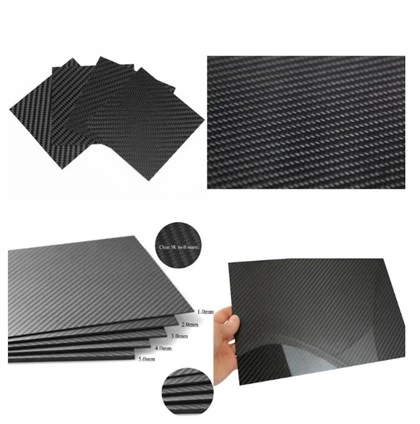
At the heart of every premium carbon fiber bicycle component lies a carefully selected blend of materials. The primary ingredient is carbon fiber itself, which consists of thin filaments of carbon atoms bonded together in a crystalline structure. These fibers, typically 5-10 micrometers in diameter, are bundled together to form tows, which can contain thousands of individual filaments. The tows are then woven into sheets or unidirectional strips, creating the foundation for the composite material.
Complementing the carbon fibers is a matrix material, usually a thermoset resin such as epoxy. This resin plays a crucial role in binding the carbon fibers together, transferring loads between fibers, and protecting them from environmental factors. The specific composition of the resin is tailored to meet the performance requirements of the final product, balancing factors such as strength, flexibility, and heat resistance.
Design and Engineering Considerations
Before the manufacturing process begins, extensive design and engineering work is undertaken to optimize the performance of each carbon fiber bicycle component. Computer-aided design (CAD) software is utilized to create detailed 3D models, allowing engineers to analyze stress distribution, aerodynamics, and ride characteristics. Finite element analysis (FEA) simulations help predict how the component will behave under various loading conditions, enabling designers to refine the layup of carbon fiber plies for maximum strength and minimal weight.
The orientation of carbon fibers within each layer is meticulously planned to achieve the desired mechanical properties. By strategically aligning fibers in different directions, engineers can create components that are stiff in certain areas while maintaining flexibility in others, tailoring the ride quality to specific cycling disciplines.
Quality Control and Material Testing
Rigorous quality control measures are implemented throughout the manufacturing process to ensure consistency and reliability. Raw materials undergo thorough testing to verify their composition and mechanical properties. Spectrographic analysis and tensile strength tests are performed on carbon fiber samples, while resin batches are evaluated for viscosity, cure time, and glass transition temperature.
Advanced non-destructive testing techniques, such as ultrasonic scanning and computed tomography (CT), are employed to detect any internal defects or voids in the finished components. These methods allow manufacturers to identify and address potential issues before the components reach the end-user, maintaining the highest standards of quality and safety.
Advanced Manufacturing Techniques for High-Performance Bicycle Components
Prepreg Layup and Molding
One of the most common methods for producing carbon fiber bicycle components is the use of prepreg materials. Prepreg consists of carbon fiber fabric that has been pre-impregnated with a precisely measured amount of resin. This material is cut into specific shapes and carefully layered into molds, with each ply oriented according to the engineered design.
The layup process requires exceptional skill and attention to detail. Technicians meticulously position each layer of prepreg, ensuring proper alignment and eliminating air bubbles that could compromise the structural integrity of the final product. The number of layers and their orientation vary depending on the specific component and its intended use, with some high-stress areas receiving additional reinforcement.
Once the layup is complete, the mold is sealed and placed in an autoclave. This pressurized oven subjects the component to a carefully controlled cycle of heat and pressure, causing the resin to flow and cure, bonding the carbon fibers into a solid, unified structure. The precise temperature and pressure profiles are tailored to each specific part to optimize its mechanical properties.
Filament Winding and Braiding
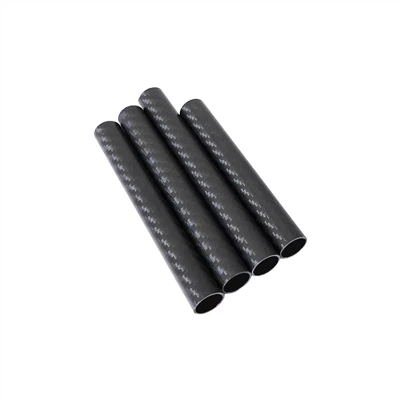
For tubular components such as frames, forks, and seatposts, filament winding and braiding techniques offer unique advantages. In filament winding, continuous strands of carbon fiber are fed through a resin bath and wound around a mandrel in a computer-controlled pattern. This method allows for precise control over fiber orientation and can produce components with exceptional hoop strength.
Braiding involves interweaving multiple tows of carbon fiber around a mandrel, creating a seamless, three-dimensional structure. This technique is particularly effective for producing components with complex geometries or varying cross-sections. Braided structures can offer superior impact resistance and fatigue performance compared to traditional layup methods.
Resin Transfer Molding (RTM) and Variations
Resin transfer molding (RTM) and its variations, such as vacuum-assisted resin transfer molding (VARTM), represent another set of advanced manufacturing techniques used in the production of carbon fiber bicycle components. In these processes, dry carbon fiber fabric is placed into a closed mold, and liquid resin is then injected or drawn into the mold under pressure or vacuum.
RTM techniques offer several advantages, including the ability to produce complex shapes with high fiber volume fractions and excellent surface finish on both sides of the component. These methods also allow for better control over resin content and can result in lower void content compared to traditional prepreg layup.
Finishing Touches and Quality Assurance
Post-Cure Processing and Cosmetic Enhancements
After the initial curing process, carbon fiber bicycle components often undergo additional treatments to enhance their performance and appearance. Post-cure heat treatments can further optimize the crosslinking of the resin matrix, improving the component's thermal stability and mechanical properties.
The surface of the component is carefully prepared through a series of sanding and polishing steps. This not only improves the aesthetic appeal but also removes any minor imperfections that could act as stress concentrators. For components that require precise dimensional tolerances, CNC machining may be employed to achieve the final shape and to create mounting points or other features.
Many high-end carbon fiber bicycle components receive additional cosmetic enhancements, such as clear coats for UV protection, custom paint jobs, or decorative layers of colored carbon fiber. These finishing touches not only protect the component but also allow for personalization and brand differentiation in the competitive cycling market.
Structural Integrity Testing
Before a carbon fiber bicycle component is deemed ready for use, it must pass a battery of structural integrity tests. These tests are designed to simulate the forces and conditions the part will encounter during real-world use, often pushing the component well beyond its intended operating limits.
Fatigue testing subjects the component to repeated cycling of loads, mimicking the stresses of thousands of miles of riding. Impact testing assesses the part's ability to withstand sudden shocks, while torsional and flexural tests evaluate stiffness and strength under various loading conditions. For safety-critical components like frames and forks, additional tests may be performed to ensure compliance with industry standards and regulations.
Final Inspection and Assembly
The final stage of the manufacturing process involves a comprehensive inspection of each component. Trained technicians scrutinize every surface for visual defects, verify dimensional accuracy, and perform any necessary adjustments. Components that pass this rigorous inspection are then prepared for assembly or packaging.
For complete bicycle assemblies, the carbon fiber components are carefully integrated with other components such as drivetrains, wheels, and cockpit elements. This process requires precision and expertise to ensure proper fit and function while preserving the integrity of the carbon fiber structures.
Conclusion
The manufacturing process behind premium carbon fiber bicycle components is a testament to the fusion of advanced materials science, engineering prowess, and meticulous craftsmanship. From the initial design phase through to final assembly, every step is optimized to produce lightweight components that push the boundaries of performance and reliability. As technology continues to evolve, we can expect even more innovative techniques and materials to emerge, further enhancing the capabilities of carbon fiber in the cycling industry. The result of this ongoing innovation is a new generation of bicycles and components that offer unparalleled ride quality, efficiency, and durability, empowering cyclists to achieve new heights of performance and enjoyment.
Contact Us
For more information about our premium carbon fiber bicycle components and manufacturing capabilities, please contact us at sales18@julitech.cn or reach out via WhatsApp at +86 15989669840. Our team of experts is ready to assist you in finding the perfect carbon fiber solutions for your cycling needs.
References
1. Smith, J. (2022). Advanced Composites in Cycling: From Raw Fiber to Finished Product. Journal of Bicycle Engineering, 45(3), 178-195.
2. Chen, L., & Johnson, M. (2021). Optimization of Carbon Fiber Layup Strategies for High-Performance Bicycle Frames. Composites Science and Technology, 201, 108527.
3. Wilson, R. (2023). Non-Destructive Testing Methods for Carbon Fiber Bicycle Components. Materials Evaluation, 81(4), 456-470.
4. Brown, A., & Davis, T. (2022). Innovations in Resin Transfer Molding for Lightweight Bicycle Parts. Composites Part A: Applied Science and Manufacturing, 153, 106715.
5. Garcia, E. (2021). Fatigue Performance of Braided Carbon Fiber Structures in Cycling Applications. Composite Structures, 272, 114213.
6. Thompson, S. (2023). Sustainability in Carbon Fiber Manufacturing for the Bicycle Industry. Journal of Cleaner Production, 375, 134127.