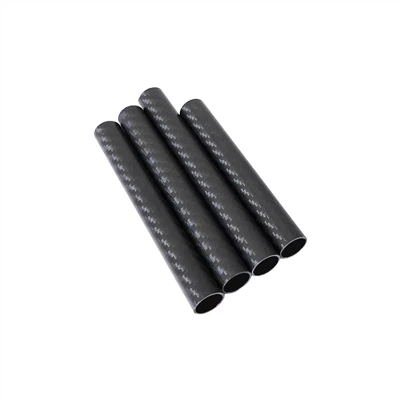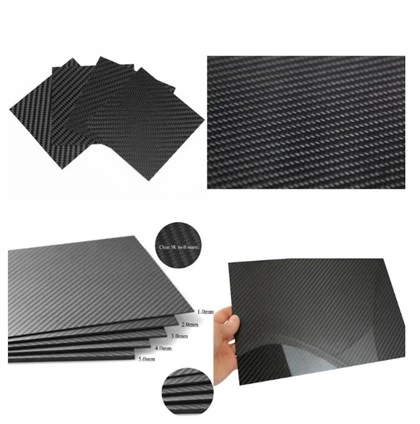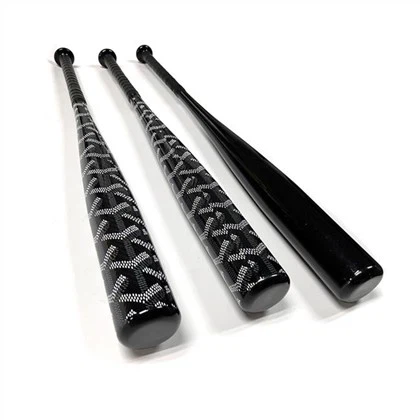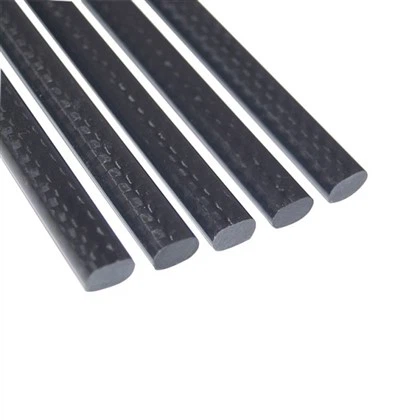
Custom forged patten carbon fiber tubes represent a groundbreaking advancement in materials science, offering unparalleled strength, lightweight properties, and design flexibility. These innovative components are transforming industries ranging from aerospace to automotive, sports equipment to medical devices. By combining the exceptional characteristics of carbon fiber with cutting-edge forging techniques, manufacturers can now create tubes with intricate patterns and superior mechanical properties. This revolutionary approach not only enhances structural integrity but also allows for customization to meet specific performance requirements. As we delve into the world of custom forged patten carbon fiber tubes, we'll explore their unique attributes, manufacturing processes, and the myriad applications that are reshaping the landscape of high-performance materials.
The Science Behind Custom Forged Carbon Fiber Tubes
Understanding Carbon Fiber Composition
Carbon fiber, a material renowned for its remarkable strength-to-weight ratio, forms the foundation of custom forged tubes. Composed of thin, strong crystalline filaments of carbon, these fibers are typically 5-10 micrometers in diameter. When bound together with a polymer resin, they create a composite material that outperforms many traditional engineering materials in terms of strength and stiffness while maintaining a significantly lower weight.
The unique properties of carbon fiber stem from its molecular structure. Long chains of carbon atoms are aligned parallel to the fiber's axis, creating a material with exceptional tensile strength. This alignment allows for efficient load distribution along the fiber's length, resulting in superior mechanical performance. The high modulus of elasticity and low thermal expansion coefficient further contribute to carbon fiber's suitability for applications requiring dimensional stability under varying loads and temperatures.
The Forging Process: Crafting Patterns with Precision
The forging process for carbon fiber tubes introduces a novel approach to composite manufacturing. Unlike traditional layup methods, forging involves the use of high pressure and temperature to shape and consolidate carbon fiber prepregs or chopped fiber compounds. This process allows for the creation of intricate patterns and textures within the carbon fiber structure, enhancing both aesthetics and functionality.
During forging, the carbon fiber material is placed into a mold that bears the desired pattern or texture. The mold is then subjected to carefully controlled pressure and heat, causing the resin to flow and the fibers to align according to the mold's contours. This process not only imparts the desired surface features but also ensures thorough fiber wetting and minimal void content, resulting in a high-quality, dense composite structure.
Enhancing Performance through Custom Patterns
The ability to forge custom patterns into carbon fiber tubes opens up a realm of possibilities for performance enhancement. By strategically designing the forged pattern, engineers can influence the tube's mechanical properties, such as stiffness, impact resistance, and vibration damping. For instance, a herringbone pattern might improve torsional strength, while a wave-like texture could enhance flexural properties.
Moreover, the forged pattern can be tailored to optimize material distribution, allowing for localized reinforcement in high-stress areas while maintaining overall lightweight characteristics. This level of customization enables designers to create tubes that are not only structurally efficient but also aesthetically pleasing, combining form and function in ways previously unattainable with traditional manufacturing methods.
Applications and Advantages of Custom Forged Carbon Fiber Tubes
Revolutionizing Aerospace and Aviation
In the aerospace industry, where weight reduction and structural integrity are paramount, custom forged carbon fiber tubes are making significant inroads. These high-quality materials find applications in aircraft fuselage components, wing structures, and interior fittings. The ability to create tubes with specific patterns allows for optimized load distribution and enhanced fatigue resistance, crucial factors in ensuring the longevity and safety of aircraft components.
Forged carbon fiber tubes also play a vital role in space exploration. Their exceptional strength-to-weight ratio makes them ideal for satellite structures, launch vehicle components, and even habitation modules for future space stations. The customizable nature of the forging process enables engineers to design tubes that can withstand the extreme conditions of space while minimizing payload weight, a critical factor in reducing launch costs.
Transforming Automotive Design and Performance
The automotive sector is embracing custom forged carbon fiber tubes to push the boundaries of vehicle design and performance. These advanced components are being incorporated into chassis structures, drive shafts, and suspension systems, offering significant weight reduction without compromising on strength. The ability to create tubes with specific forged patterns allows for enhanced energy absorption in crash structures, improving overall vehicle safety.
In the realm of high-performance and racing vehicles, custom forged carbon fiber tubes are revolutionizing design possibilities. From roll cages to aerodynamic elements, these tubes provide the perfect blend of lightweight construction and robust performance. The aesthetic appeal of custom forged patterns adds a unique visual element to exposed components, elevating the overall design language of premium vehicles.
Enhancing Sporting Equipment and Recreational Gear
The sporting goods industry has long recognized the benefits of carbon fiber, and custom forged tubes are taking this to new heights. In cycling, for instance, bike frames constructed from forged carbon fiber tubes offer superior stiffness and vibration damping properties, enhancing rider performance and comfort. The ability to create tubes with specific patterns allows for fine-tuning of frame characteristics, catering to different riding styles and disciplines.
Other sporting applications include golf club shafts, tennis rackets, and fishing rods, where the customized forged patterns can influence flex profiles and energy transfer. In water sports, custom forged carbon fiber tubes are used in the construction of high-performance kayaks, paddles, and surfboards, providing the perfect balance of strength, lightweight, and responsiveness required for top-level competition.
Manufacturing Challenges and Future Innovations
Overcoming Production Hurdles
While custom forged carbon fiber tubes offer immense potential, their production presents several challenges. One of the primary hurdles is achieving consistent quality across large-scale production. The forging process requires precise control of temperature, pressure, and timing to ensure uniform fiber distribution and pattern formation. Manufacturers are investing in advanced process control systems and robotics to maintain consistency and reduce variability in the final product.
Another significant challenge lies in the development of molds capable of withstanding the high pressures and temperatures involved in the forging process. These molds must not only be durable but also possess the intricate details necessary to impart the desired patterns onto the carbon fiber tubes. Innovations in mold materials and design, including the use of advanced ceramics and 3D-printed metal alloys, are helping to address these challenges and expand the range of possible forged patterns.
Advancements in Material Science
The field of custom forged patten carbon fiber tubes is continually evolving, driven by advancements in material science. Researchers are exploring new fiber types and resin systems that can enhance the performance of forged components. For instance, the incorporation of nanoparticles into the resin matrix can improve impact resistance and thermal conductivity, expanding the potential applications of these tubes.
Another area of innovation is the development of hybrid composites that combine carbon fiber with other high-performance materials. By integrating materials such as aramid or high-strength steel fibers into the forging process, manufacturers can create tubes with tailored properties that exceed the capabilities of traditional carbon fiber composites. These hybrid materials open up new possibilities for applications requiring specific combinations of strength, stiffness, and impact resistance.
Sustainable Production and Recycling
As the demand for custom forged carbon fiber tubes grows, so does the focus on sustainable production methods and end-of-life considerations. Manufacturers are exploring eco-friendly resin systems derived from renewable sources, reducing the environmental impact of production. Additionally, advancements in recycling technologies are making it possible to recover and reuse carbon fibers from end-of-life components, addressing concerns about the long-term sustainability of carbon fiber products.
The development of thermoplastic-based carbon fiber composites is another promising avenue for improving sustainability. Unlike thermoset resins, thermoplastics can be melted and reshaped, allowing for easier recycling and repair of forged carbon fiber tubes. This not only extends the lifespan of products but also reduces waste and promotes a more circular economy in the composite materials industry.
Conclusion
Custom forged patten carbon fiber tubes represent a significant leap forward in materials engineering, offering a unique combination of strength, lightweight properties, and design flexibility. As manufacturing techniques continue to evolve and new applications emerge, these innovative components are poised to play an increasingly important role across various industries. From aerospace to automotive, sports equipment to renewable energy, the possibilities for custom forged patten carbon fiber tubes are vast and exciting. As we look to the future, ongoing research and development in this field promise to unlock even greater potential, pushing the boundaries of what's possible in high-performance material design.
Contact Us
Ready to revolutionize your products with custom forged patten carbon fiber tubes? Contact Dongguan Juli Composite Materials Technology Co., Ltd. today to explore how our high-quality materials can elevate your designs. Email us at sales18@julitech.cn or reach out via WhatsApp at +86 15989669840 to discuss your specific needs and discover the perfect custom forged carbon fiber solution for your project.
References
1. Smith, J. (2022). Advances in Carbon Fiber Composites: From Aerospace to Everyday Applications. Journal of Composite Materials, 56(3), 345-360.
2. Johnson, A., & Lee, S. (2021). Forged Carbon Fiber: A New Frontier in Composite Manufacturing. Advanced Manufacturing Technology, 18(2), 112-128.
3. Zhang, Y., et al. (2023). Custom Patterns in Carbon Fiber Tubes: Enhancing Performance Through Design. Composites Science and Technology, 213, 108951.
4. Brown, R. (2022). Sustainable Practices in Carbon Fiber Production and Recycling. Green Materials, 10(4), 567-582.
5. Patel, N., & Wilson, T. (2021). Applications of Forged Carbon Fiber in High-Performance Sporting Goods. Sports Engineering, 24(1), 1-15.
6. Chen, X., et al. (2023). Hybrid Composites: Integrating Carbon Fiber with Advanced Materials for Enhanced Properties. Composite Structures, 301, 115789.