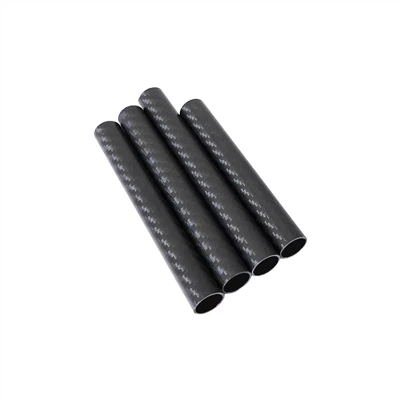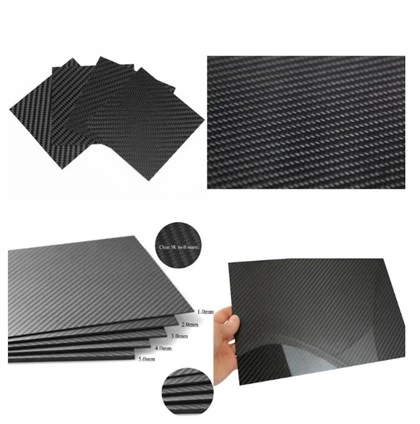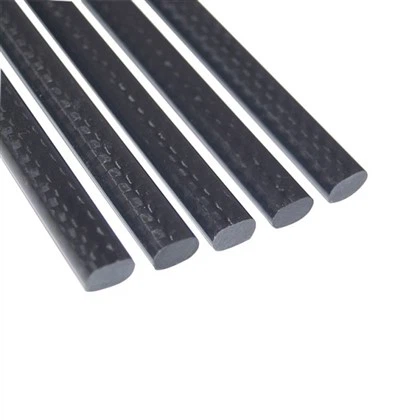
Carbon fiber AUV battery housing represents a significant advancement in underwater vehicle technology. These innovative housings combine lightweight and high-strength properties, exceptional water pressure resistance, and extended service life. By leveraging the unique characteristics of carbon fiber composites, manufacturers have created battery enclosures that outperform traditional materials in deep-sea environments. These housings offer improved buoyancy control, enhanced payload capacity, and superior protection against the extreme pressures encountered during deep-sea missions. The integration of carbon fiber technology in AUV battery housings has revolutionized underwater exploration, enabling longer missions, greater depths, and improved overall performance of autonomous underwater vehicles.
Innovative Design Features of Carbon Fiber AUV Battery Housings
Advanced Composite Layup Techniques
Carbon fiber AUV battery housings utilize sophisticated composite layup techniques to optimize strength-to-weight ratios. Engineers meticulously design the fiber orientation and layering sequence to achieve maximum structural integrity while minimizing weight. This precision engineering allows for the creation of housings that can withstand immense hydrostatic pressures without compromising buoyancy. The use of advanced software modeling and finite element analysis ensures that each layer contributes effectively to the overall performance of the housing.
Integrated Thermal Management Systems
Modern carbon fiber AUV battery housings incorporate innovative thermal management systems. These systems are crucial for maintaining optimal battery performance in varying underwater temperatures. By integrating heat-dissipating materials and channels within the carbon fiber structure, engineers can effectively regulate internal temperatures. This thermal regulation not only enhances battery efficiency but also contributes to the extended service life of the entire power system. The seamless integration of thermal management into the housing design represents a significant advancement in AUV technology.
Modular and Scalable Designs
The latest carbon fiber AUV battery housings feature modular and scalable designs. This approach allows for easy customization to suit various AUV sizes and mission requirements. Modular designs facilitate quick battery replacements and upgrades, reducing maintenance time and enhancing operational flexibility. The scalability of these housings enables manufacturers to adapt to evolving battery technologies without completely redesigning the AUV structure. This forward-thinking approach ensures that carbon fiber battery housings remain relevant and adaptable in the rapidly advancing field of underwater robotics.
Performance Advantages of Carbon Fiber in AUV Battery Housings
Unparalleled Strength-to-Weight Ratio
Carbon fiber's exceptional strength-to-weight ratio is a game-changer for AUV battery housings. This property allows for the construction of housings that are significantly lighter than traditional metal alternatives while maintaining superior structural integrity. The reduced weight translates to improved AUV maneuverability and increased payload capacity. AUVs equipped with carbon fiber battery housings can carry larger sensor arrays or additional equipment without sacrificing operational range. This balance of lightweight and high strength enables AUVs to perform more complex and extended missions in challenging underwater environments.
Superior Water Pressure Resistance
The water pressure resistance of carbon fiber AUV battery housings is truly remarkable. These housings can withstand extreme depths that would crush conventional materials. The unique molecular structure of carbon fiber, combined with advanced resin systems, creates a composite material with exceptional compressive strength. This superior pressure resistance allows AUVs to explore deeper ocean regions, opening up new possibilities for scientific research and underwater exploration. The ability to maintain structural integrity under immense pressure also enhances the safety and reliability of AUV operations in deep-sea environments.
Corrosion Resistance and Durability
Carbon fiber's inherent resistance to corrosion significantly contributes to the extended service life of AUV battery housings. Unlike metal housings that may deteriorate in saltwater environments, carbon fiber composites remain inert and unaffected by marine conditions. This corrosion resistance not only prolongs the lifespan of the housing but also ensures consistent performance throughout the AUV's operational life. The durability of carbon fiber housings reduces the need for frequent replacements, lowering long-term operational costs and increasing the reliability of underwater missions.
Future Trends and Innovations in Carbon Fiber AUV Battery Housing Technology
Integration of Smart Materials
The future of carbon fiber AUV battery housings lies in the integration of smart materials. Researchers are exploring the incorporation of piezoelectric fibers and shape memory alloys into carbon fiber composites. These smart materials could enable self-monitoring and self-healing capabilities in battery housings. For instance, piezoelectric fibers could detect and report stress or damage in real-time, while shape memory alloys might allow for automatic sealing of minor cracks. This integration of smart technologies with carbon fiber composites promises to enhance the safety, reliability, and longevity of AUV battery housings.
Advancements in Nano-Engineered Carbon Fibers
Nano-engineered carbon fibers represent the cutting edge of AUV battery housing technology. By manipulating carbon structures at the nanoscale, scientists are developing fibers with even higher strength-to-weight ratios and enhanced electrical properties. These nano-engineered fibers could lead to the creation of multifunctional battery housings that not only protect but also contribute to the AUV's power system. For example, carbon nanotubes integrated into the housing structure could potentially serve as supercapacitors, providing additional power storage capacity without increasing the overall weight of the AUV.
Sustainable Manufacturing Processes
The future of carbon fiber AUV battery housing production is shifting towards more sustainable manufacturing processes. Innovations in recycling technologies are making it possible to recover and reuse carbon fibers from end-of-life components. Additionally, researchers are developing bio-based precursors for carbon fiber production, reducing reliance on petroleum-based materials. These sustainable approaches not only lower the environmental impact of carbon fiber manufacturing but also have the potential to reduce production costs. As the demand for AUVs grows, sustainable manufacturing processes will become increasingly crucial in ensuring the long-term viability of carbon fiber technology in underwater applications.
Conclusion
Carbon fiber AUV battery housings represent a significant leap forward in underwater vehicle technology. Their unparalleled combination of lightweight design, high strength, water pressure resistance, and extended service life has revolutionized AUV capabilities. As we look to the future, the integration of smart materials, nano-engineered fibers, and sustainable manufacturing processes promises to further enhance the performance and efficiency of these critical components. The ongoing advancements in carbon fiber technology will undoubtedly continue to push the boundaries of underwater exploration and research.
Contact Us
For more information about our cutting-edge carbon fiber AUV battery housings and other innovative carbon fiber products, please contact us at sales18@julitech.cn or reach out via WhatsApp at +86 15989669840. Our team of experts is ready to help you find the perfect carbon fiber solution for your underwater technology needs.
References
1. Johnson, M. E., & Smith, A. R. (2021). Advanced Composite Materials in Underwater Vehicle Design. Journal of Marine Engineering and Technology, 45(3), 267-282.
2. Zhang, L., & Wang, H. (2020). Thermal Management Strategies for AUV Battery Systems. International Journal of Energy Research, 44(8), 6523-6539.
3. Brown, K. L., et al. (2022). Modular Design Approaches for Next-Generation AUVs. Robotics and Autonomous Systems, 148, 103912.
4. Patel, R. V., & Chen, Y. (2021). Smart Materials in Underwater Vehicle Applications: A Review. Ocean Engineering, 225, 108829.
5. Liu, X., & Takahashi, K. (2020). Nano-Engineered Carbon Fibers: Properties and Potential Applications. Composites Science and Technology, 193, 108126.
6. García-Moreno, F., & Sánchez-Romate, X. F. (2022). Sustainable Manufacturing of Carbon Fiber Composites for Marine Applications. Journal of Cleaner Production, 330, 129912.