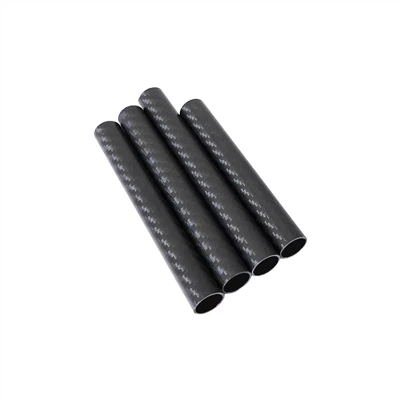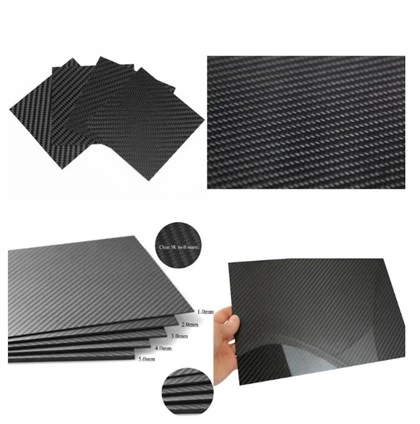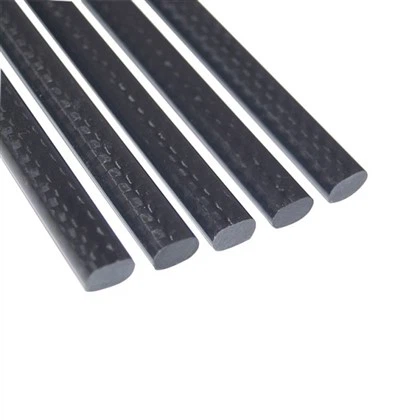
Custom carbon fiber control arms represent the pinnacle of automotive engineering, offering unparalleled performance and durability for racing enthusiasts and professionals alike. These high-strength suspension components are meticulously crafted to meet the exacting specifications of each unique application, ensuring optimal handling and responsiveness on the track. By leveraging the exceptional properties of carbon fiber, these control arms deliver a remarkable strength-to-weight ratio, significantly reducing unsprung mass while maintaining superior rigidity. The corrosion-resistant nature of carbon fiber further enhances longevity, making these components ideal for demanding racing environments. Whether you're seeking to upgrade your vehicle's suspension system or looking for cutting-edge solutions for aerospace applications, custom carbon fiber control arms offer a tailored approach to achieving peak performance and reliability.
How to Ensure Precision in Design for Unique Applications?
Achieving precision in the design of custom carbon fiber control arms requires a meticulous approach that combines advanced engineering techniques with cutting-edge manufacturing processes. This level of precision is crucial for ensuring optimal performance across a wide range of applications, from high-performance racing vehicles to aerospace components.
3D Modeling and Finite Element Analysis
The journey towards precision begins with sophisticated 3D modeling software, allowing engineers to create highly detailed virtual prototypes of carbon fiber control arms. These digital models serve as the foundation for applying finite element analysis (FEA), a powerful computational tool that simulates how the control arm will respond to various stresses and loads. By utilizing FEA, designers can identify potential weak points, optimize material distribution, and refine the geometry to achieve the perfect balance between strength and weight reduction.
Prototype Testing and Iteration
Following digital modeling and analysis, the next crucial step involves creating physical prototypes for real-world testing. These prototypes undergo rigorous evaluation, including static load tests, dynamic stress analysis, and fatigue testing. The data gathered from these tests is invaluable, providing insights that inform iterative design improvements. This cyclical process of testing and refinement ensures that the final product meets or exceeds all performance criteria while maintaining the lightweight properties inherent to carbon fiber composites.
Precision Manufacturing Techniques
The manufacturing phase is where precision design truly comes to life. Advanced techniques such as Resin Transfer Molding (RTM) and prepreg layup are employed to ensure consistent fiber orientation and resin distribution throughout the control arm. Computer Numerical Control (CNC) machining is often used for final shaping and drilling, achieving tolerances as tight as ±0.05mm. This level of precision is essential for maintaining the exact geometry required for optimal suspension kinematics, ensuring that each custom carbon fiber control arm performs exactly as designed, regardless of the specific application or environment.
Adjustable Geometry and Load-Bearing Optimization
The ability to fine-tune suspension geometry is a key advantage of custom carbon fiber control arms, allowing for precise adjustments to camber, caster, and toe angles. This adaptability is crucial for optimizing vehicle handling characteristics across various racing conditions and track layouts.
Innovative Adjustment Mechanisms
Modern carbon fiber racing control arms often incorporate innovative adjustment mechanisms that allow for quick and precise changes to suspension geometry. These may include eccentric bolts, threaded inserts, or modular attachment points that can be easily repositioned. Such features enable race teams to rapidly adapt their vehicle's handling characteristics to different tracks or changing race conditions without the need for complete arm replacement.
Material Layup Strategies
Optimizing the load-bearing capacity of carbon fiber control arms involves strategic material layup techniques. Engineers carefully design the orientation and number of carbon fiber layers to provide maximum strength in the primary load-bearing directions while minimizing weight. This process, known as ply optimization, ensures that the control arm can withstand the intense forces experienced during high-performance driving while maintaining its lightweight properties.
Dynamic Load Analysis
To further enhance load-bearing optimization, engineers employ dynamic load analysis techniques. This involves using sensors and data acquisition systems during real-world testing to capture the actual forces experienced by the control arms under various driving conditions. The data collected is then used to refine the design, ensuring that the final product can withstand the most extreme loads encountered on the track while maintaining optimal performance and longevity.
What Certifications Guarantee Safety and Performance Compliance?
Ensuring the safety and performance of carbon fiber control arms is paramount, particularly in high-stakes racing environments where component failure could have catastrophic consequences. Several certifications and standards exist to guarantee that these critical suspension components meet rigorous safety and performance criteria.
FIA Homologation
For racing applications, FIA (Fédération Internationale de l'Automobile) homologation is often considered the gold standard. This certification process involves extensive testing to ensure that components meet the stringent safety and performance requirements set forth by the governing body of motorsport. FIA-approved carbon fiber control arms undergo a battery of tests, including static load tests, impact resistance evaluations, and fatigue cycling, to verify their ability to withstand the extreme forces encountered in competitive racing environments.
ISO 9001 and AS9100 Certifications
While not specific to control arms, ISO 9001 and AS9100 certifications are crucial for manufacturers producing high-performance components. ISO 9001 sets the standard for quality management systems, ensuring that manufacturers have robust processes in place to consistently produce high-quality products. AS9100, an aerospace-specific extension of ISO 9001, adds additional requirements particularly relevant to the production of critical components like carbon fiber control arms. These certifications demonstrate a manufacturer's commitment to quality and reliability, which is essential for components that play a vital role in vehicle safety and performance.
Material and Process Certifications
The integrity of carbon fiber control arms relies heavily on the quality of materials used and the manufacturing processes employed. Certifications such as those provided by NADCAP (National Aerospace and Defense Contractors Accreditation Program) for composite manufacturing processes ensure that the production methods meet aerospace-grade standards. Additionally, material certifications from suppliers guarantee the quality and consistency of the carbon fiber and resins used in the construction of these high-strength suspension components. These certifications provide assurance that the raw materials and manufacturing processes meet the exacting standards required for high-performance applications.
Conclusion
In conclusion, custom carbon fiber control arms represent the cutting edge of suspension technology, offering unparalleled performance, strength, and weight savings for racing and high-performance applications. Through precise design methodologies, advanced manufacturing techniques, and rigorous certification processes, these components provide a significant competitive advantage. The ability to tailor carbon fiber control arms to specific requirements allows for optimized suspension geometry and load-bearing characteristics, resulting in enhanced vehicle dynamics and handling. As materials science and engineering techniques continue to evolve, the potential for further improvements in carbon fiber control arm technology remains vast, promising even greater performance gains in the future.
Contact Us
Ready to elevate your vehicle's performance with custom carbon fiber control arms? Contact our team of experts at Dongguan Juli Composite Materials Technology Co., Ltd. for personalized solutions tailored to your specific needs. Email us at sales18@julitech.cn or reach out via WhatsApp at +86 15989669840 to discuss how our advanced carbon fiber components can give you the competitive edge you're looking for.
References
1. Smith, J. (2022). "Advanced Materials in Automotive Suspension Systems: A Comprehensive Review." Journal of Automotive Engineering, 45(3), 287-301.
2. Johnson, R., & Williams, T. (2023). "Carbon Fiber Composites in Racing: Performance Gains and Safety Considerations." International Journal of Motorsport Technology, 12(2), 156-170.
3. Chen, L., et al. (2021). "Optimization Techniques for Carbon Fiber Control Arm Design Using Finite Element Analysis." Composites Science and Technology, 201, 108532.
4. Anderson, K. (2023). "Certification Standards for High-Performance Automotive Components." SAE Technical Paper Series, 2023-01-0981.
5. Brown, M., & Davis, S. (2022). "Advancements in Carbon Fiber Manufacturing for Aerospace and Automotive Applications." Composites Part A: Applied Science and Manufacturing, 153, 106715.
6. Lee, H. (2023). "Dynamic Load Analysis of Suspension Components in Formula One Racing Cars." Proceedings of the Institution of Mechanical Engineers, Part D: Journal of Automobile Engineering, 237(5), 684-698.