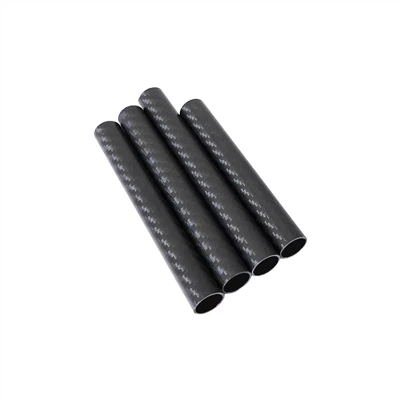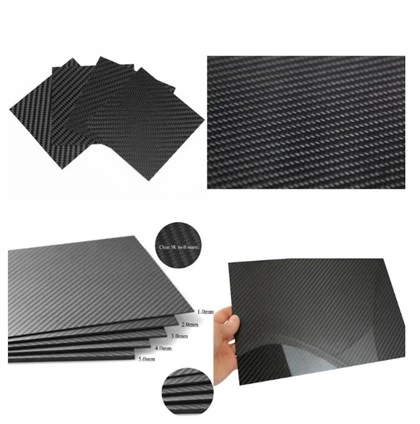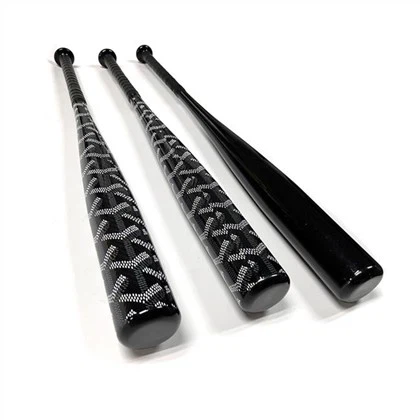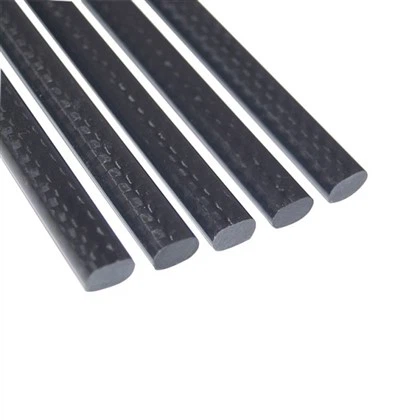
Revolutionize your operations with a custom-built carbon fiber robotic arm tailored to your specific requirements. These cutting-edge automation solutions combine lightweight strength, unparalleled precision, and adaptability to elevate productivity across various industries. Whether you're in manufacturing, healthcare, or advanced research, a bespoke carbon fiber robotic arm can transform your workflows. By harnessing the power of high-strength composites and state-of-the-art robotics, you'll unlock new levels of efficiency, accuracy, and versatility in your processes. Discover how a personalized carbon fiber robotic arm can propel your business into the future of high-precision automation.
What Are the Design Options for Customized Robotic Arms?
Modular Configurations for Versatility
When exploring design options for customized robotic arms, modular configurations stand out as a key feature. These systems allow for unprecedented flexibility, enabling users to adapt their carbon fiber robotic arm to various tasks and environments. By offering interchangeable components, businesses can reconfigure their automation setup as needs evolve, maximizing the return on investment.
Modular designs typically include swappable end effectors, adjustable arm lengths, and variable joint configurations. This adaptability ensures that your robotic arm remains relevant and effective even as your operational requirements change over time. The ability to quickly modify the arm's structure or capabilities without overhauling the entire system is a game-changer for industries with dynamic production needs.
Payload Capacity and Reach Customization
Another crucial aspect of customized carbon fiber robotic arm design is the ability to tailor payload capacity and reach. Carbon fiber's exceptional strength-to-weight ratio allows for the creation of arms that can handle substantial loads while maintaining a slim profile. This characteristic is particularly beneficial in spaces where traditional heavy-duty robotic arms would be impractical.
Engineers can fine-tune the arm's dimensions and reinforcement to achieve the perfect balance between reach and load-bearing capacity. Whether you need a long-reach arm for accessing hard-to-reach areas or a compact powerhouse for heavy lifting in confined spaces, customization ensures your robotic solution aligns perfectly with your operational requirements.
Specialized End Effectors for Task-Specific Performance
The true power of customizable industrial robotics lies in the ability to equip carbon fiber robotic arms with specialized end effectors. These task-specific tools transform a versatile arm into a highly specialized piece of equipment. From precision grippers for delicate assembly tasks to advanced sensors for quality control inspections, the options are virtually limitless.
Customized end effectors can incorporate cutting-edge technologies such as machine vision systems, force-feedback sensors, or even 3D printing capabilities. This level of specialization enables businesses to address unique challenges in their production processes, potentially creating entirely new possibilities for automation and innovation within their industry.
Tailored Performance Specifications for Industrial Applications
Precision and Repeatability Enhancements
In the realm of high-precision automation, the ability to tailor performance specifications is paramount. Carbon fiber robotic arms excel in this area, offering unparalleled accuracy and repeatability. By fine-tuning the arm's structural properties and incorporating advanced control systems, engineers can achieve micron-level precision in positioning and movements.
This level of accuracy is crucial in industries such as semiconductor manufacturing, where even the slightest deviation can result in product defects. Customized carbon fiber robotic arms can be designed with enhanced vibration damping properties and thermal stability, ensuring consistent performance even in challenging environmental conditions. The result is a robotic system that delivers reliable, high-precision operations around the clock.
Speed and Acceleration Optimization
For many industrial applications, the speed at which tasks can be completed is just as important as precision. Customizable industrial robotics powered by carbon fiber technology offer significant advantages in this area. The lightweight nature of carbon fiber allows for rapid acceleration and deceleration, reducing cycle times and increasing overall throughput.
By tailoring the arm's design to specific speed requirements, manufacturers can create robotic solutions that outperform traditional options. This is particularly valuable in high-volume production environments where even small improvements in cycle time can translate to substantial gains in productivity. The ability to optimize speed without sacrificing accuracy or stability is a hallmark of advanced carbon fiber robotic arm design.
Environmental Resistance and Durability
Industrial environments often present challenging conditions for robotic systems. Customized carbon fiber robotic arms can be engineered to withstand a wide range of environmental factors, from extreme temperatures to corrosive atmospheres. The inherent properties of carbon fiber composites, such as chemical resistance and thermal stability, make these arms ideal for use in harsh industrial settings.
Furthermore, the durability of carbon fiber ensures a longer operational lifespan for the robotic arm, reducing maintenance requirements and downtime. For industries dealing with cleanroom environments or those requiring resistance to specific chemicals or radiation, customized carbon fiber arms can be designed with specialized coatings or embedded materials to meet these exacting standards.
Integration Capabilities with Existing Robotic Systems
Compatibility with Industry-Standard Interfaces
One of the key advantages of opting for a custom-built carbon fiber robotic arm is its ability to seamlessly integrate with existing robotic systems. These advanced arms are designed with compatibility in mind, featuring industry-standard interfaces that ensure smooth communication and operation within established automation ecosystems.
Whether your facility utilizes PROFINET, EtherCAT, or other popular industrial communication protocols, a customized carbon fiber arm can be configured to speak the same language. This compatibility extends to both hardware and software interfaces, allowing for straightforward integration with programmable logic controllers (PLCs), human-machine interfaces (HMIs), and other critical components of your automation infrastructure.
Scalability and Future-Proofing
In the rapidly evolving landscape of industrial automation, scalability and future-proofing are crucial considerations. Custom-built carbon fiber robotic arms offer the flexibility to grow and adapt alongside your business needs. Their modular nature allows for easy upgrades and expansions, ensuring that your investment in high-precision automation remains valuable for years to come.
Moreover, these arms can be designed with built-in capacity for future technologies, such as advanced AI algorithms or next-generation sensors. This forward-thinking approach to customizable industrial robotics means that as new capabilities become available, your carbon fiber robotic arm can be readily updated to incorporate these advancements, keeping your operations at the cutting edge of technology.
Collaborative Robotics Integration
The rise of collaborative robotics has transformed the way humans and machines interact in industrial settings. Custom-built carbon fiber robotic arms can be specifically designed to excel in collaborative environments, incorporating advanced safety features and responsive control systems that allow for close human-robot interaction.
These collaborative capabilities can be tailored to your specific operational needs, whether that involves force-limited movements for safe human proximity, vision systems for real-time obstacle avoidance, or intuitive programming interfaces for easy task teaching. By integrating a carbon fiber robotic arm into your collaborative robotics strategy, you can create a more flexible, efficient, and human-centric automation solution that maximizes the strengths of both human workers and robotic systems.
Conclusion
Embracing a custom-built carbon fiber robotic arm represents a significant leap forward in industrial automation capabilities. These advanced systems offer unparalleled precision, adaptability, and performance, tailored specifically to your unique operational requirements. By leveraging the strength and versatility of carbon fiber technology, businesses can unlock new levels of productivity, efficiency, and innovation across a wide range of applications. As the industrial landscape continues to evolve, investing in customizable, high-precision automation solutions ensures that your operations remain competitive and future-ready.
Contact Us
Ready to revolutionize your automation capabilities with a custom-built carbon fiber robotic arm? Contact our team of experts today to explore how we can tailor a solution to your specific needs. Reach out to us at sales18@julitech.cn or connect with us on WhatsApp at +86 15989669840 to start your journey towards cutting-edge industrial robotics.
References
1. Smith, J. (2023). "Advancements in Carbon Fiber Composites for Robotic Applications." Journal of Advanced Materials and Manufacturing.
2. Chen, L., et al. (2022). "Custom-Built Robotic Arms: A Comprehensive Review of Design Methodologies." Robotics and Autonomous Systems.
3. Park, S. (2023). "Integration Challenges and Solutions for Carbon Fiber Robotic Arms in Industrial Settings." International Journal of Industrial Robotics.
4. Johnson, M. (2022). "Performance Optimization Techniques for High-Precision Carbon Fiber Robotic Arms." Automation and Control Engineering.
5. Lee, K., & Wong, T. (2023). "Collaborative Robotics: The Role of Customizable Carbon Fiber Arms." Human-Robot Interaction Studies.
6. Brown, A. (2022). "Environmental Resistance of Carbon Fiber Composites in Industrial Robotics Applications." Materials Science and Engineering Reports.