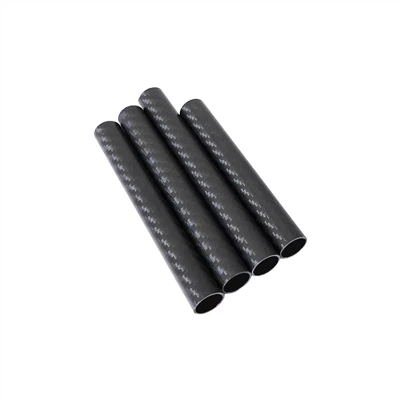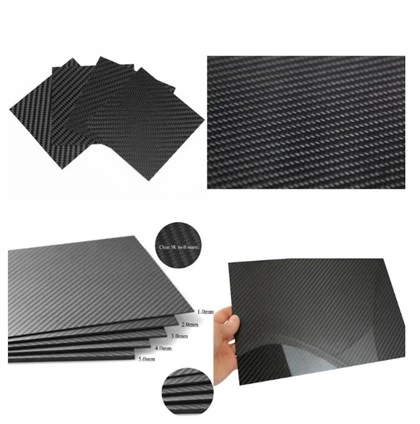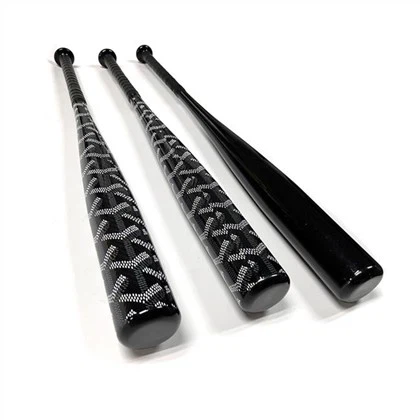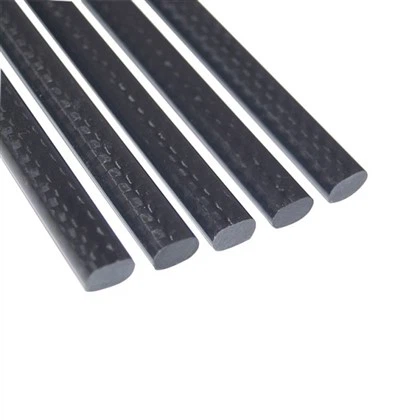
This lightweight, high-strength composite isn't merely a substitute for traditional metals-it's a foundational material shaping the future of aviation. Modern aircraft, such as the Boeing 787 Dreamliner, are made of approximately 50% composite materials by weight, highlighting carbon fiber's transformative role in building more efficient, capable, and environmentally sustainable planes.
The rising use of carbon fiber is fueled by its remarkable characteristics. It can be up to five times stronger than steel while being far lighter than aluminum, offering an unmatched strength-to-weight ratio. This makes it the perfect choice for aerospace applications, where reducing weight leads directly to improved performance and fuel efficiency. As we look ahead to the future of flight, carbon fiber is poised to play an even greater role-powering innovations from electric aircraft to next-generation supersonic travel.
The undeniable advantages of carbon fiber in the aviation field
Radical weight reduction and improved fuel efficiency
One of carbon fiber's most important benefits is its ability to significantly reduce aircraft weight. Aircraft constructed with carbon fiber are approximately 20% lighter than those made from aluminum. This substantial weight savings is a major contributor to improved fuel efficiency. Lighter aircraft need less thrust for takeoff and sustained flight, leading to lower fuel consumption, reduced carbon emissions, and decreased operating expenses.
Superior strength and durability
Though lightweight, carbon fiber offers exceptional strength and rigidity-often surpassing that of many metals-making it ideal for structurally critical parts like wings and fuselages. Additionally, carbon fiber resists fatigue and corrosion far better than metal, which is especially important in the demanding environments aircraft regularly face. This resilience not only enhances the longevity of the aircraft but also lowers ongoing maintenance needs.
Enhanced aerodynamic performance
The moldable properties of carbon fiber composites give engineers exceptional design freedom. This enables the development of more intricate and aerodynamically refined structures-like streamlined fuselages and swept-back wings-that were difficult or impossible to achieve with traditional metals. Such design advancements can reduce aerodynamic drag by as much as 5%, leading to further gains in fuel efficiency.
Simplified manufacturing
Carbon fiber can integrate multiple components into one seamless part, which reduces the number of separate parts required, simplifies assembly and reduces production time and cost. Carbon fiber continues to advance in aerospace manufacturing, with innovations such as automated fiber placement and additive manufacturing further improving efficiency and precision.
Advanced Composites in Aviation
Carbon fiber's influence is widespread across the aviation industry. Major commercial aircraft like the Boeing 787 and Airbus A350 utilize advanced composites extensively in key structural areas, including the fuselage, wings, and tail sections. This shift sets a new benchmark for commercial aviation by enabling quieter, more comfortable, and fuel-efficient travel.
But carbon fiber's role isn't limited to commercial jets. In military aviation, aircraft such as the F-22 incorporate composites throughout much of their structure to enhance both performance and stealth capabilities. In the rapidly growing urban air mobility sector, carbon fiber is vital to building lightweight, energy-efficient flying taxis and personal air vehicles.
Even smaller aircraft-like drones and helicopters-rely heavily on carbon fiber for components such as frames, rotor blades, and structural supports, helping to improve flight endurance and maneuverability.
A Lighter Future
As we look to the future of aviation, carbon fiber stands at the forefront as a critical enabler of innovation. It serves as the foundation for designing the aircraft of tomorrow and is central to several emerging advancements, including:Electric and Hybrid Aircraft,to make electric aviation viable, reducing overall weight is crucial in order to improve flight range and optimize battery performance. Carbon fiber's lightweight yet strong characteristics make it an essential material in the construction of these environmentally sustainable aircraft.
Conclusion
Carbon fiber represents more than a mere material-it is a driving force behind innovation that is transforming the aerospace industry. By making it possible to build aircraft that are lighter, stronger, and more aerodynamically refined, carbon fiber meets the critical demands for enhanced performance, lower environmental impact, and greater cost-efficiency. As advancements in lightweight materials like carbon fiber continue, they will play a pivotal role in shaping the next chapter of aviation.
Contact us
If you would like to inquire more about aviation carbon fiber products, please contact us. We are a professional manufacturer of carbon fiber products-Dongguan Juli Composite Materials Technology Co., Ltd.-established in 2011. We have over a decade of experience in the industry and have established our own brand. Please contact us at sales18@julitech.cn or WhatsApp +86 18822947075. Our carbon fiber is 100% authentic and certified by many customers. You are welcome to visit our factory.