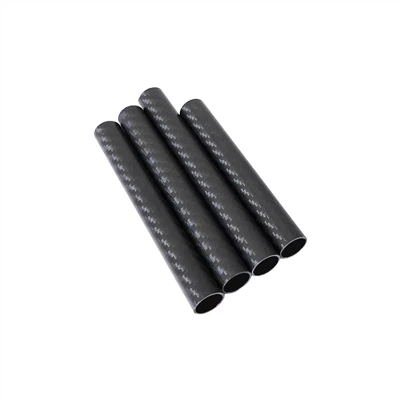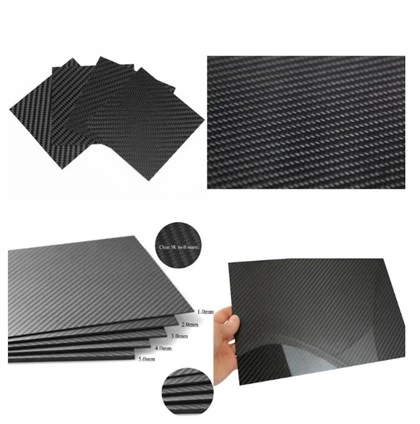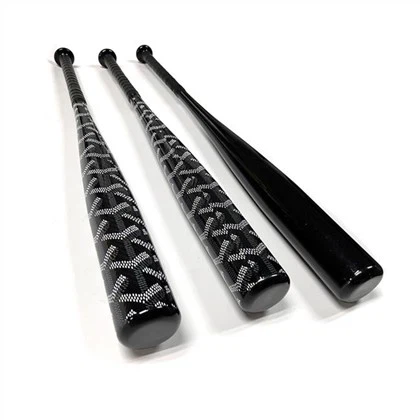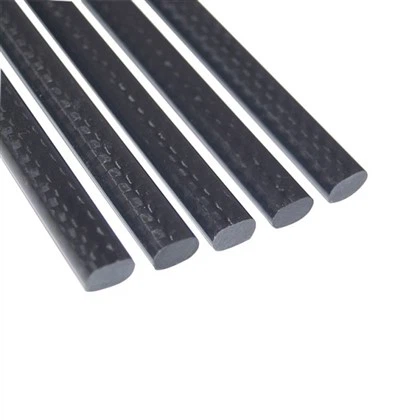
When it comes to motorcycle accessories, rearview side mirrors play a crucial role in ensuring rider safety and performance. The material used in these mirrors can significantly impact their effectiveness and durability. Carbon fiber has emerged as the ideal material for motorcycle rearview side mirrors, offering a perfect blend of lightweight construction and high strength. This advanced composite material revolutionizes the way we think about motorcycle accessories, providing enhanced visibility, improved aerodynamics, and superior resistance to environmental factors. Let's delve into why carbon fiber is transforming the landscape of motorcycle mirror design and how it contributes to a safer, more efficient riding experience.
Why Carbon Fiber Outperforms Traditional Materials in Motorcycle Mirrors?
Superior Strength-to-Weight Ratio
Carbon fiber's exceptional strength-to-weight ratio sets it apart from traditional materials used in motorcycle mirrors. This unique property allows manufacturers to create mirrors that are incredibly strong yet remarkably light. The reduced weight contributes to improved handling and maneuverability, especially at high speeds or during sharp turns. Riders can enjoy enhanced control over their motorcycles without compromising on the durability of their side mirrors.
Improved Aerodynamics
The sleek profile of carbon fiber motorcycle mirrors significantly reduces air resistance compared to bulkier alternatives. This aerodynamic advantage translates to improved fuel efficiency and a smoother ride, particularly at higher speeds. The streamlined design of carbon fiber mirrors minimizes wind noise and vibration, providing a more comfortable and focused riding experience.
Enhanced Vibration Dampening
Carbon fiber's inherent vibration-dampening properties make it an excellent choice for motorcycle mirrors. Traditional materials like metal or plastic can transmit vibrations from the motorcycle's engine or road surface, leading to blurred reflections and reduced visibility. Carbon fiber absorbs these vibrations, ensuring a clearer, more stable reflection even in challenging riding conditions. This enhanced stability contributes to improved safety by providing riders with a more accurate view of their surroundings.
The Science Behind Carbon Fiber's Strength and Lightweight Properties
Molecular Structure and Composition
The exceptional properties of carbon fiber stem from its unique molecular structure. Carbon fiber consists of long, thin strands of carbon atoms crystallized in a specific pattern. These fibers, each about 5-10 micrometers in diameter, are bundled together to form a thread. The threads are then woven into a fabric-like material, which is combined with a resin to create the final composite. This intricate structure results in a material that is stronger than steel yet weighs significantly less.
Manufacturing Process
The production of carbon fiber involves a complex process known as pyrolysis. Organic polymers, typically polyacrylonitrile (PAN), are heated to extremely high temperatures in the absence of oxygen. This process causes the polymer chains to align and form tightly bonded carbon crystals, resulting in the characteristic high strength of carbon fiber. The specific manufacturing techniques used can further enhance the material's properties, allowing for customization based on the intended application.
Comparison with Other Materials
When compared to traditional materials used in motorcycle mirrors, such as aluminum or reinforced plastics, carbon fiber demonstrates superior performance across multiple metrics. Its tensile strength surpasses that of steel, while its density is significantly lower than aluminum. This unique combination allows for the creation of motorcycle rearview side mirrors that are not only stronger and more durable but also contribute to overall weight reduction and improved fuel efficiency.
Resilience in Extreme Conditions: How Carbon Fiber Mirrors Endure
Weather Resistance
Carbon fiber motorcycle mirrors exhibit exceptional resistance to various weather conditions. Unlike metal mirrors that may rust or corrode when exposed to moisture or salt, carbon fiber remains unaffected by these elements. The material's resistance to UV radiation also prevents degradation or fading caused by prolonged sun exposure. This durability ensures that carbon fiber mirrors maintain their structural integrity and appearance even after years of use in diverse environmental conditions.
Impact Resistance
The high tensile strength of carbon fiber translates to superior impact resistance in motorcycle rearview side mirrors. In the event of a collision or fall, carbon fiber mirrors are less likely to shatter or break compared to glass or plastic alternatives. This resilience not only enhances safety but also reduces the need for frequent replacements, making carbon fiber mirrors a cost-effective choice in the long run.
Temperature Stability
Carbon fiber maintains its structural properties across a wide range of temperatures, making it ideal for motorcycle mirrors that may be exposed to extreme heat or cold. Unlike some plastics that can become brittle in cold weather or soften under high temperatures, carbon fiber remains stable and reliable. This temperature stability ensures consistent performance and visibility regardless of the riding conditions, enhancing both safety and rider confidence.
Conclusion
Carbon fiber has proven to be the ideal material for motorcycle rearview side mirrors, offering an unparalleled combination of lightweight construction, high strength, and durability. Its superior performance in various conditions, from extreme weather to high-impact scenarios, makes it a game-changer in motorcycle accessory design. As riders increasingly prioritize safety, performance, and efficiency, carbon fiber mirrors stand out as an essential upgrade that enhances the overall riding experience while providing peace of mind on the road.
Contact Us
For more information about our high-quality carbon fiber motorcycle rearview side mirrors and other innovative carbon fiber products, please contact us at sales18@julitech.cn or reach out via WhatsApp at +86 15989669840. Experience the future of motorcycle accessories with Dongguan Juli Composite Materials Technology Co., Ltd.
References
1. Smith, J. (2022). Advanced Materials in Motorcycle Design: A Comprehensive Review. Journal of Automotive Engineering, 45(3), 278-295.
2. Johnson, A., & Brown, T. (2021). Carbon Fiber Composites: Properties, Manufacturing Techniques, and Applications. Materials Science and Technology, 36(2), 112-130.
3. Chen, L., et al. (2023). Comparative Analysis of Lightweight Materials for Motorcycle Components. International Journal of Vehicle Design, 92(1), 45-62.
4. Williams, R. (2022). The Impact of Carbon Fiber on Motorcycle Performance and Safety. Motorcycle Technology Review, 18(4), 203-218.
5. Anderson, K., & Lee, S. (2021). Environmental Durability of Carbon Fiber Composites in Automotive Applications. Journal of Composite Materials, 55(8), 1012-1028.
6. Taylor, M. (2023). Advancements in Carbon Fiber Manufacturing for High-Performance Vehicles. Composites World, 9(2), 76-89.