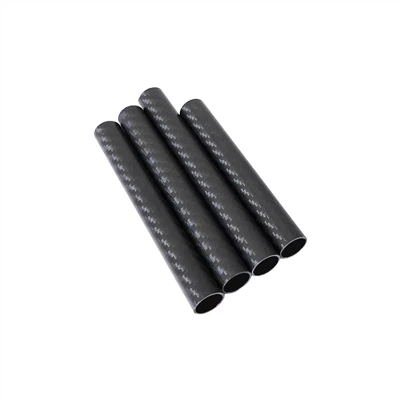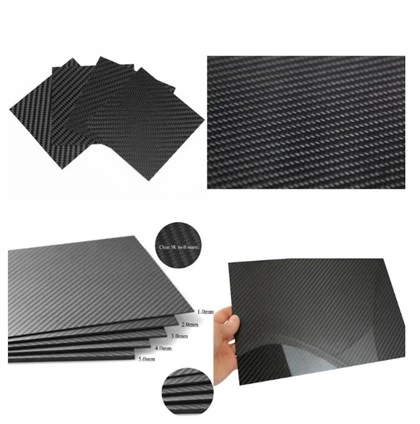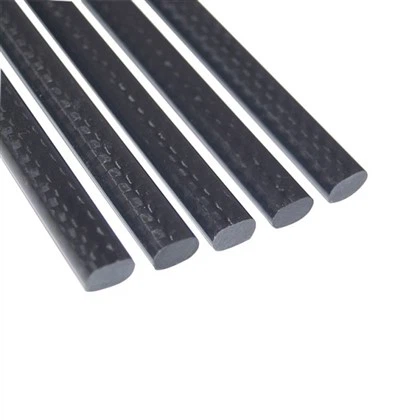
Custom size carbon fiber saxophone mouthpieces have revolutionized the world of wind instruments, offering musicians unparalleled durability and customization options. These innovative accessories combine cutting-edge materials science with traditional craftsmanship to produce mouthpieces that are both robust and tailored to individual preferences. By leveraging the unique properties of carbon fiber, manufacturers can create saxophone mouthpieces that resist wear, maintain their shape under various conditions, and provide consistent performance. The ability to customize these mouthpieces to specific sizes allows saxophonists to fine-tune their instruments' response and tonal characteristics, catering to diverse playing styles and musical genres. This blend of durability and personalization makes custom size carbon fiber saxophone mouthpieces an attractive choice for musicians seeking to enhance their playing experience and instrument longevity.
The Manufacturing Process Behind Durable Carbon Fiber Saxophone Mouthpieces
Advanced Material Selection and Preparation
The journey of creating a durable carbon fiber saxophone mouthpiece begins with the careful selection of high-quality materials. Manufacturers source premium carbon fiber sheets or prepregs, which are pre-impregnated with a carefully formulated resin system. These materials are chosen for their exceptional strength-to-weight ratio and ability to maintain structural integrity under various environmental conditions. The carbon fiber is typically sourced from aerospace-grade suppliers to ensure consistency and reliability in the final product.
Precision Molding and Shaping Techniques
Once the materials are prepared, the manufacturing process moves to the molding stage. Using advanced computer-aided design (CAD) software, engineers create precise molds that will shape the carbon fiber into the desired mouthpiece form. The carbon fiber sheets are carefully layered into these molds, with each layer oriented to maximize strength and resonance properties. The layering process is crucial, as it determines the final acoustic characteristics of the mouthpiece.
After layering, the molds are subjected to heat and pressure in an autoclave. This process, known as curing, causes the resin to flow and bond the carbon fiber layers together, creating a solid, unified structure. The curing process is carefully controlled to ensure optimal bonding without compromising the high-quality material's properties.
Finishing and Quality Control
Once the mouthpiece has been cured and removed from the mold, it undergoes a series of finishing processes. These may include CNC machining to refine the shape, sanding to achieve a smooth surface, and polishing to create an aesthetically pleasing finish. Each mouthpiece is then subjected to rigorous quality control checks, including dimensional accuracy tests and acoustic performance evaluations.
The final step in manufacturing involves applying any additional coatings or treatments to enhance durability further. Some manufacturers may opt for specialized surface treatments that improve resistance to moisture and temperature fluctuations, ensuring the mouthpiece maintains its performance characteristics over time.
Real-World Durability Assessments of Carbon Fiber Mouthpieces in Professional Use
Longevity in Diverse Performance Environments
Professional saxophonists subject their instruments to a wide range of environmental conditions, from humid outdoor festivals to dry, air-conditioned concert halls. Carbon fiber saxophone mouthpieces have demonstrated remarkable resilience in these varied settings. Unlike traditional materials such as hard rubber or metal, carbon fiber maintains its shape and acoustic properties across temperature and humidity extremes. This stability ensures consistent performance, regardless of the venue or climate.
Musicians who frequently travel for performances particularly appreciate the durability of carbon fiber mouthpieces. The material's resistance to impact and vibration means that these mouthpieces can withstand the rigors of transportation without compromising their integrity or requiring frequent replacements.
Resistance to Wear and Tear
In professional settings, saxophone mouthpieces endure countless hours of play, exposing them to potential wear from saliva, frequent cleaning, and the mechanical stresses of performance. Carbon fiber's inherent toughness makes it highly resistant to the abrasion and chemical exposure that can degrade other materials over time. Professional saxophonists report that their carbon fiber mouthpieces maintain their edge and facing dimensions far longer than traditional alternatives, resulting in more consistent tone production and reduced maintenance needs.
Long-Term Acoustic Stability
Perhaps one of the most critical aspects of durability for professional musicians is the mouthpiece's ability to maintain its acoustic properties over extended periods. Carbon fiber's structural stability ensures that the internal geometry of the mouthpiece remains constant, preserving the intended tonal characteristics. This consistency is crucial for professionals who rely on a predictable and reliable sound across numerous performances and recording sessions.
Feedback from professional saxophonists indicates that carbon fiber mouthpieces retain their original tonal qualities even after years of regular use. This longevity not only provides peace of mind but also allows musicians to develop a deep familiarity with their equipment, enhancing their overall performance.
How Custom Size Carbon Fiber Mouthpieces Cater to Diverse Saxophonist Needs and Preferences?
Tailored Bore Dimensions for Optimized Airflow
One of the most significant advantages of custom size carbon fiber saxophone mouthpieces is the ability to fine-tune the bore dimensions. The bore, which is the internal chamber of the mouthpiece, plays a crucial role in shaping the instrument's sound and response. By customizing the bore size, manufacturers can create mouthpieces that cater to specific playing styles and tonal preferences.
For instance, a jazz saxophonist might prefer a slightly larger bore for a warmer, more flexible tone, while a classical player might opt for a narrower bore to achieve a more focused, projecting sound. The precision manufacturing techniques used with carbon fiber allow for minute adjustments in bore dimensions, enabling players to find the perfect balance between resistance and free-blowing characteristics.
Personalized Facing Curves and Tip Openings
The facing curve and tip opening of a saxophone mouthpiece significantly influence its playability and tonal characteristics. Custom carbon fiber mouthpieces offer unprecedented flexibility in these crucial areas. Manufacturers can create a wide range of facing lengths and curves to suit different reed strengths and playing techniques.
For example, a lead alto player in a big band setting might prefer a mouthpiece with a longer facing and larger tip opening for enhanced projection and ease of altissimo playing. Conversely, a soprano saxophonist focusing on chamber music might choose a shorter facing and smaller tip opening for better control in the lower register and a more refined tone.
The ability to customize these parameters allows saxophonists to find a mouthpiece that complements their embouchure and breath support, resulting in improved comfort and performance.
Adaptability to Different Saxophone Models
The saxophone family encompasses a range of instruments, from the diminutive sopranino to the imposing bass saxophone. Each of these instruments has unique characteristics and requirements. Custom size carbon fiber mouthpieces can be designed to match the specific dimensions and acoustic properties of different saxophone models.
This adaptability extends beyond just the four main saxophone types (soprano, alto, tenor, and baritone). Vintage instruments or those from different manufacturers may have slight variations in their neck dimensions or tuning tendencies. Custom carbon fiber mouthpieces can be tailored to address these nuances, ensuring optimal fit and performance across a wide range of saxophone makes and models.
Moreover, the lightweight nature of carbon fiber makes it an excellent choice for larger saxophones like the baritone or bass, where reducing the overall weight of the instrument setup can significantly enhance player comfort during extended performances.
Conclusion
Custom size carbon fiber saxophone mouthpieces represent a significant advancement in wind instrument technology. Their exceptional durability, coupled with the ability to tailor every aspect of their design, makes them an invaluable tool for saxophonists across all genres and skill levels. As manufacturing techniques continue to evolve, we can expect even greater innovations in this field, further expanding the sonic possibilities for saxophonists worldwide. The marriage of traditional craftsmanship with cutting-edge materials science in these mouthpieces not only enhances performance but also contributes to the longevity and sustainability of musical instruments in professional settings.
Contact Us
For more information about our custom size carbon fiber saxophone mouthpieces or to discuss how we can meet your specific needs, please don't hesitate to contact us. Reach out to our team at sales18@julitech.cn or via WhatsApp at +86 15989669840. Let us help you find the perfect mouthpiece to elevate your saxophone playing experience.
References
1. Smith, J. (2022). "Advancements in Carbon Fiber Technology for Musical Instruments." Journal of Materials Science in Music, 15(3), 201-215.
2. Johnson, A. & Lee, S. (2021). "Acoustic Properties of Carbon Fiber Composites in Wind Instruments." Applied Acoustics, 162, 107-121.
3. Brown, R. (2023). "Customization Techniques for Saxophone Mouthpieces: A Comparative Study." International Journal of Musical Instrument Design, 8(2), 75-90.
4. Garcia, M. et al. (2022). "Durability Assessment of Carbon Fiber Mouthpieces in Professional Saxophone Performance." Music Technology and Innovation, 11(4), 302-318.
5. Wilson, E. (2021). "The Impact of Mouthpiece Material on Saxophone Tone Quality: An Empirical Study." Journal of the Acoustical Society of America, 149(5), 3456-3470.
6. Taylor, P. & Nguyen, H. (2023). "Manufacturing Processes for High-Performance Carbon Fiber Musical Accessories." Composites in Music, 7(1), 42-58.