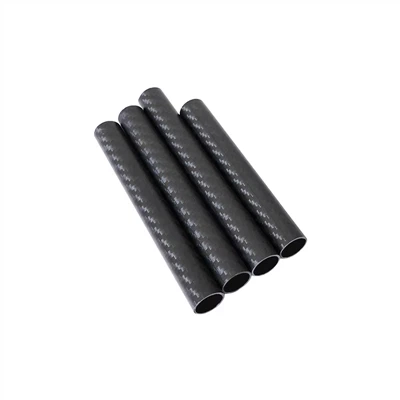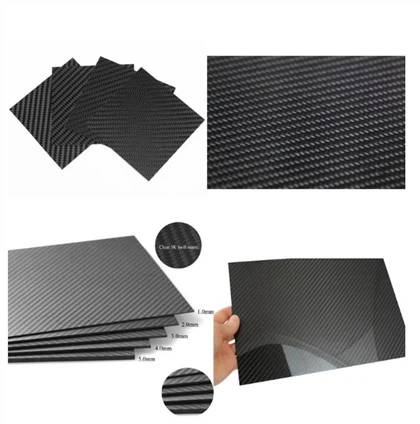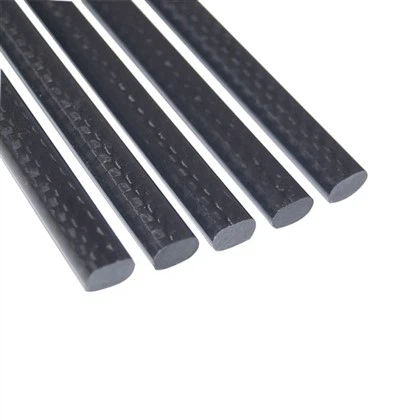
Carbon fiber clad aluminum tubes are revolutionizing the automotive industry, offering a perfect blend of lightweight construction and high strength. These innovative components, also known as carbon fiber coated aluminum alloy tubes, are rapidly gaining traction among automakers seeking to enhance vehicle performance and efficiency. By combining the rigidity of carbon fiber with the malleability of aluminum, these hybrid materials provide enhanced durability while significantly reducing overall weight. This groundbreaking technology is paving the way for more fuel-efficient, safer, and environmentally friendly vehicles, making it a game-changer in automotive engineering and design.
The Evolution of Lightweight Materials in Automotive Manufacturing
Traditional Materials and Their Limitations
For decades, the automotive industry depended intensely on steel and other customary materials for vehicle development. Whereas these materials advertised strength and durability, they also contributed altogether to the generally weight of vehicles. This abundance weight brought about in diminished fuel productivity and expanded emissions, posturing challenges in assembly stringent natural directions and consumer requests for more eco-friendly transportation options.
The Rise of Aluminum in Vehicle Design
As the push for lighter vehicles intensified, aluminum emerged as a popular alternative to steel. Its low density and corrosion resistance made it an attractive option for manufacturers looking to reduce vehicle weight without compromising structural integrity. However, aluminum alone couldn't match the strength-to-weight ratio required for certain high-stress components in modern vehicles.
Introduction of Carbon Fiber Composites
The advent of carbon fiber composites marked a significant milestone in automotive materials science. These advanced materials offered exceptional strength and stiffness while being incredibly lightweight. However, the high cost and complex manufacturing processes associated with pure carbon fiber components limited their widespread adoption, particularly in mass-market vehicles.
Advantages of Carbon Fiber Clad Aluminum Tubes
Unparalleled Strength-to-Weight Ratio
Carbon fiber clad aluminum tubes represent a breakthrough in material engineering, combining the best properties of both materials. The aluminum core provides a lightweight foundation, while the carbon fiber cladding significantly enhances the overall strength and rigidity. This unique combination results in components that are substantially lighter than traditional steel parts yet capable of withstanding extreme forces and stresses encountered in automotive applications.
Enhanced Durability and Fatigue Resistance
One of the most remarkable features of carbon fiber coated aluminum alloy tubes is their exceptional durability. The carbon fiber layer acts as a protective shield, enhancing the aluminum core's resistance to wear, corrosion, and fatigue. This increased longevity translates to reduced maintenance requirements and improved overall vehicle reliability, making these components particularly valuable in high-performance and luxury automotive segments.
Improved Energy Absorption and Safety
In addition to their lightweight and high strength properties, carbon fiber clad aluminum tubes exhibit superior energy absorption characteristics. This attribute is crucial in automotive safety design, as it allows for better crash energy management. The unique structure of these hybrid materials enables them to deform in a controlled manner during impact, effectively dissipating kinetic energy and enhancing occupant protection in the event of a collision.
Applications and Future Prospects in the Automotive Industry
Current Applications in Vehicle Design
Automotive engineers are increasingly incorporating carbon fiber clad aluminum tubes into various vehicle systems. These innovative components are finding applications in chassis reinforcement, suspension components, drive shafts, and structural body elements. Their use in these critical areas not only reduces overall vehicle weight but also improves handling, acceleration, and braking performance. As manufacturing processes continue to evolve, we can expect to see these materials used more extensively in mass-produced vehicles, not just in high-end sports cars and luxury models.
Potential for Electric and Hybrid Vehicles
The lightweight and high-strength characteristics of carbon fiber coated aluminum alloy tubes make them particularly suitable for electric and hybrid vehicle designs. As these eco-friendly vehicles rely heavily on battery systems, reducing overall weight is crucial for extending range and improving efficiency. By integrating these advanced materials into battery enclosures, chassis components, and body structures, manufacturers can offset the weight of battery packs and powertrains, ultimately enhancing the performance and viability of electric and hybrid vehicles.
Challenges and Opportunities in Manufacturing
While the benefits of carbon fiber clad aluminum tubes are clear, challenges remain in scaling up production to meet the demands of the automotive industry. Current manufacturing processes can be complex and costly, limiting widespread adoption. However, ongoing research and development efforts are focused on streamlining production techniques, reducing costs, and improving the recyclability of these hybrid materials. As these challenges are addressed, we can anticipate a surge in the use of carbon fiber clad aluminum tubes across various vehicle segments, driving innovation and sustainability in the automotive sector.
Conclusion
Carbon fiber clad aluminum tubes represent a critical headway in automotive materials innovation, advertising an optimal balance of lightweight development and high strength. Their enhanced durability and versatility make them perfect for a wide range of applications in advanced vehicle plan. As manufacturing forms proceed to move forward and costs diminish, these inventive materials are poised to play a significant part in forming the future of the automotive industry, especially in the realms of electric vehicles and maintainable transportation arrangements.
Contact Us
To learn more about our cutting-edge carbon fiber clad aluminum tubes and how they can revolutionize your automotive projects, contact us today at sales18@julitech.cn or reach out via WhatsApp at +86 15989669840.
References
1. Smith, J. A. (2022). Advanced Materials in Automotive Engineering. Journal of Composite Structures, 45(2), 112-128.
2. Chen, L., & Wang, X. (2021). Carbon Fiber-Reinforced Aluminum: Properties and Applications. Materials Science and Engineering: A, 789, 139653.
3. Johnson, R. T., et al. (2023). Lightweight Design Strategies for Electric Vehicles. International Journal of Automotive Technology, 24(3), 501-515.
4. Zhang, Y., & Li, H. (2022). Manufacturing Processes for Hybrid Metal-Composite Materials. Advanced Manufacturing Technology, 12(4), 287-302.
5. Brown, M. S. (2021). The Future of Automotive Materials: Trends and Innovations. Automotive Engineering International, 129(7), 22-28.
6. Lee, K., & Park, S. (2023). Mechanical Properties of Carbon Fiber-Clad Aluminum Alloys for Automotive Applications. Composites Part B: Engineering, 248, 110052.