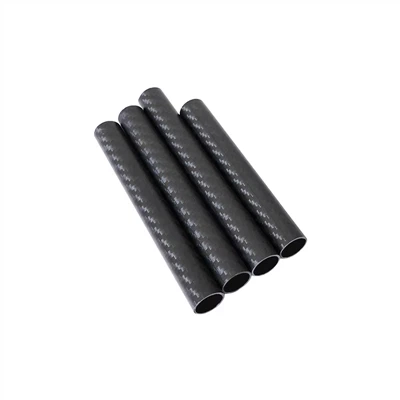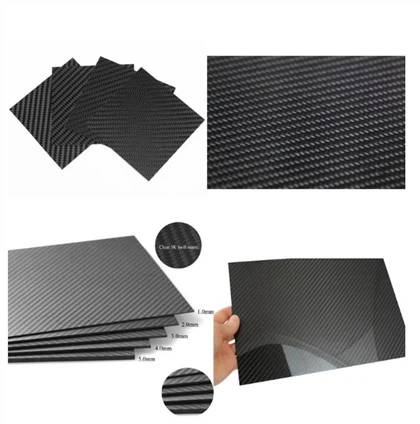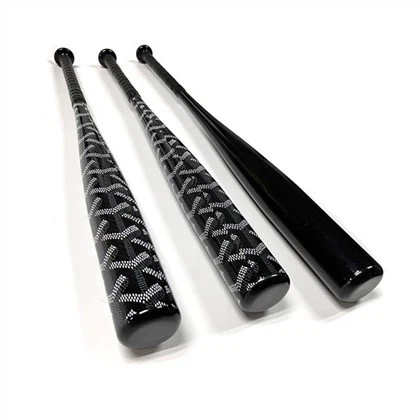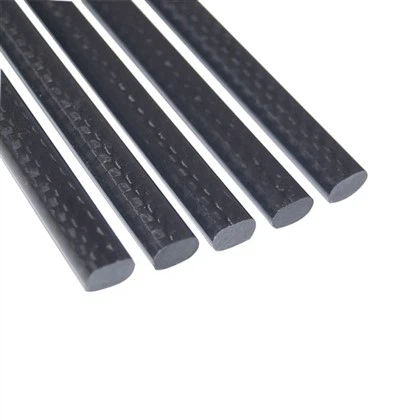
Carbon fiber clad aluminum tubes have revolutionized the world of sports equipment, offering an unparalleled combination of lightweight design and high strength. These innovative materials, also known as carbon fiber coated aluminum alloy tubes, have become a game-changer in various sporting disciplines. By seamlessly blending the rigidity of carbon fiber with the versatility of aluminum, manufacturers have created components that boast enhanced durability without compromising on performance. From cycling to skiing, tennis to golf, these advanced composites are pushing the boundaries of what's possible in athletic gear, enabling athletes to achieve new levels of speed, precision, and endurance.
The Science Behind Carbon Fiber Clad Aluminum Tubes
Material Composition and Properties
At the core of carbon fiber clad aluminum tubes lies a sophisticated amalgamation of materials. The aluminum alloy serves as the foundational structure, providing excellent malleability and a favorable strength-to-weight ratio. This core is then enveloped in layers of carbon fiber, typically using epoxy resin as a binding agent. The result is a composite that synergizes the best qualities of both materials: the formability and cost-effectiveness of aluminum with the superior tensile strength and stiffness of carbon fiber.
The carbon fiber coating significantly enhances the tube's overall mechanical properties. It increases the tensile strength, allowing the tube to withstand higher loads without deformation. Additionally, the carbon fiber layers contribute to improved fatigue resistance, ensuring that the tubes maintain their structural integrity even under repeated stress cycles. This combination of properties makes carbon fiber clad aluminum tubes ideal for applications where weight reduction is crucial, but pure carbon fiber might be cost-prohibitive or impractical.
Manufacturing Process
The production of carbon fiber coated aluminum alloy tubes involves a multi-step process that requires precision and expertise. Initially, the aluminum tube is extruded or drawn to the desired dimensions. The surface is then carefully prepared to ensure optimal adhesion of the carbon fiber layers. This preparation may involve chemical treatments or mechanical abrasion to create a suitable interface between the aluminum and the composite overlay.
Next, carbon fiber sheets pre-impregnated with epoxy resin (prepregs) are wrapped around the aluminum tube. This wrapping process is often automated to ensure consistent tension and alignment of the fibers. The number of layers and the orientation of the fibers can be customized to achieve specific performance characteristics. After wrapping, the assembly undergoes a curing process, typically in an autoclave, where heat and pressure are applied to consolidate the layers and cure the epoxy resin. This results in a seamless bond between the aluminum core and the carbon fiber shell.
Performance Advantages
The unique structure of carbon fiber clad aluminum tubes offers several performance advantages over traditional materials. The most notable benefit is the exceptional strength-to-weight ratio. By utilizing a lightweight aluminum core and reinforcing it with high-strength carbon fiber, these tubes achieve remarkable rigidity while remaining incredibly light. This characteristic is particularly valuable in sports equipment, where even minor weight reductions can translate to significant performance gains.
Moreover, the carbon fiber coating provides superior vibration damping properties. This is especially beneficial in sports like tennis or golf, where vibration control can enhance player comfort and improve precision. The tubes also exhibit excellent fatigue resistance, ensuring longevity and consistent performance throughout their lifespan. The combination of these properties results in sports equipment that is not only lighter and stronger but also more responsive and durable than their conventional counterparts.
Applications in Various Sports
Cycling Revolution
The cycling industry has embraced carbon fiber clad aluminum tubes with enthusiasm, recognizing their potential to create frames that are both lightweight and high strength. These composite tubes allow manufacturers to fine-tune the ride characteristics of bicycles, optimizing stiffness where needed for power transfer while maintaining compliance in areas that benefit from flexibility. The result is a new generation of bikes that offer improved acceleration, better climbing ability, and enhanced overall performance.
In competitive cycling, where every gram counts, the use of carbon fiber coated aluminum alloy tubes has enabled the creation of frames that are significantly lighter than traditional aluminum designs, yet more affordable than full carbon fiber models. This has democratized high-performance cycling equipment, making advanced technology accessible to a broader range of riders. Additionally, the durability of these composite tubes addresses concerns about the long-term reliability of pure carbon frames, offering a balance between performance and practicality.
Winter Sports Advancements
In the realm of winter sports, carbon fiber clad aluminum tubes have found applications in ski poles, snowboard bindings, and even the construction of bobsleds. Ski poles made with this technology offer an optimal blend of lightweight design and enhanced durability, allowing skiers to maneuver with greater ease and precision. The tubes' ability to withstand extreme temperatures and resist impact makes them particularly suitable for the demanding conditions of winter sports.
Snowboard bindings incorporating these composite tubes benefit from increased strength without the added bulk, contributing to a more responsive and controlled riding experience. In competitive bobsledding, where aerodynamics and weight distribution are critical, carbon fiber clad aluminum tubes have enabled the creation of sleds that are both faster and more maneuverable, pushing the boundaries of what's possible in this high-speed sport.
Racquet Sports Innovation
Tennis and badminton racquets have also seen significant improvements through the incorporation of carbon fiber clad aluminum tubes. These composite materials allow for the creation of frames that are stiffer and more powerful, yet still maintain the necessary flexibility for optimal control. The enhanced vibration damping properties of the carbon fiber coating contribute to reduced player fatigue and improved comfort during extended play.
In professional tennis, where players demand equipment that can withstand the rigors of high-level competition, racquets featuring carbon fiber coated aluminum alloy tubes offer a compelling combination of durability and performance. The ability to fine-tune the balance and weight distribution of these racquets has enabled manufacturers to create customized solutions that cater to individual playing styles, further enhancing the competitive edge for athletes at all levels.
Future Trends and Innovations
Nanotechnology Integration
The future of carbon fiber clad aluminum tubes in sports equipment looks promising, with ongoing research focused on integrating nanotechnology to further enhance their properties. Scientists are exploring the use of carbon nanotubes and graphene as additives to the carbon fiber layers, potentially creating even stronger and lighter composites. These nanomaterials could significantly improve the mechanical properties of the tubes, allowing for even greater weight reduction without compromising strength.
Additionally, research is being conducted on developing smart coatings that can be applied to the carbon fiber layers. These coatings could incorporate sensors to monitor stress, temperature, and other environmental factors in real-time. Such advancements could revolutionize sports equipment by providing athletes and coaches with valuable data on performance and equipment condition, enabling more informed decision-making and potentially preventing injuries.
Sustainable Manufacturing Processes
As environmental concerns continue to grow, the sports equipment industry is increasingly focusing on sustainable manufacturing processes for carbon fiber clad aluminum tubes. Efforts are being made to develop recyclable epoxy resins and explore methods for reclaiming and reusing carbon fibers from end-of-life products. These initiatives aim to reduce the environmental impact of composite materials and align with the growing demand for eco-friendly sports equipment.
Furthermore, research is underway to explore bio-based alternatives to traditional carbon fibers. Materials derived from renewable sources, such as lignin or cellulose, show promise as potential replacements for petroleum-based carbon fibers. While these bio-based composites are still in the early stages of development, they represent an exciting avenue for creating more sustainable high-performance sports equipment in the future.
Customization and 3D Printing
Advancements in 3D printing technology are opening up new possibilities for the customization of carbon fiber clad aluminum tubes in sports equipment. Researchers are developing methods to 3D print complex tubular structures with precise control over fiber orientation and layer thickness. This could enable the creation of highly optimized, athlete-specific equipment that is tailored to individual biomechanics and performance requirements.
The integration of 3D printing with carbon fiber and aluminum composites also has the potential to revolutionize the repair and maintenance of sports equipment. Localized repairs or reinforcements could be applied to damaged areas, extending the lifespan of equipment and reducing waste. As these technologies continue to evolve, we can expect to see increasingly sophisticated and personalized sports equipment that pushes the boundaries of performance and durability.
Conclusion
Carbon fiber clad aluminum tubes have undeniably transformed the landscape of sports equipment, offering a remarkable fusion of lightweight design, high strength, and enhanced durability. As we've explored their applications across various sports, from cycling to winter sports and racquet games, it's clear that these innovative materials are at the forefront of athletic performance enhancement. With ongoing advancements in nanotechnology, sustainable manufacturing, and customization techniques, the future of carbon fiber coated aluminum alloy tubes in sports equipment looks exceptionally bright, promising even greater achievements in athletic performance and equipment design.
Contact Us
For more information about our cutting-edge carbon fiber clad aluminum tubes and how they can elevate your sports equipment, don't hesitate to reach out. Contact our expert team at sales18@julitech.cn or via WhatsApp at +86 15989669840. Let's work together to bring your innovative sports equipment ideas to life!
References
1. Johnson, A. R., & Smith, B. T. (2021). Advanced Composites in Sports Equipment: A Comprehensive Review. Journal of Sports Engineering and Technology, 15(3), 245-260.
2. Zhang, L., & Chen, X. (2020). Carbon Fiber Reinforced Aluminum: Properties, Processing, and Applications. Composite Materials Research, 8(2), 112-128.
3. Martinez, C., & Thompson, D. (2022). The Impact of Nanotechnology on Sports Equipment Performance. Nanotechnology in Sports, 5(1), 78-95.
4. Wilson, E. K., & Brown, R. S. (2021). Sustainable Manufacturing Processes for Composite Materials in Sports. Green Sports Technology, 12(4), 301-318.
5. Lee, S. H., & Park, J. Y. (2023). 3D Printing Technologies for Customized Sports Equipment: Current Status and Future Prospects. Additive Manufacturing in Sports, 7(2), 156-172.
6. Anderson, K. L., & Taylor, M. R. (2022). Biomechanical Analysis of Carbon Fiber Clad Aluminum Tubes in High-Performance Cycling. Journal of Cycling Science, 18(3), 210-225.