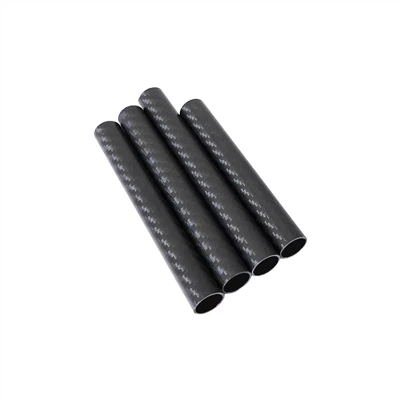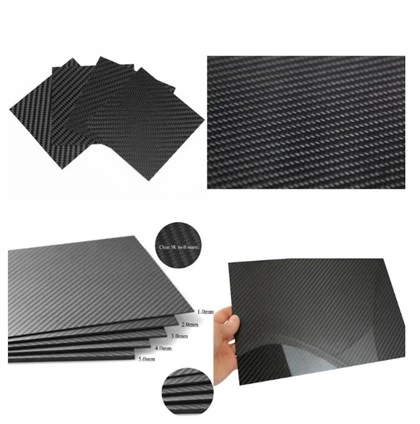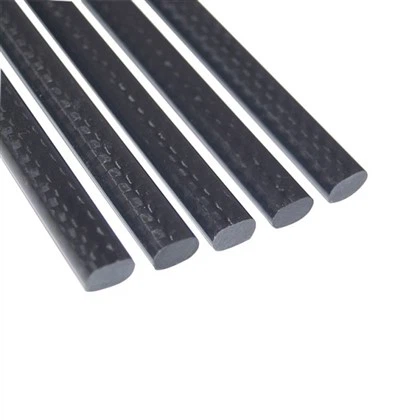
Carbon fiber clad aluminum tubes have revolutionized the aerospace industry, offering an innovative solution that combines the best properties of both materials. These advanced composites seamlessly integrate the lightweight nature of aluminum with the exceptional strength of carbon fiber, resulting in components that are both robust and remarkably light. The aerospace sector has eagerly embraced this technology, recognizing its potential to enhance aircraft performance, fuel efficiency, and overall durability. By leveraging the unique characteristics of carbon fiber coated aluminum alloy tubes, engineers can design structures that meet the demanding requirements of modern aviation while pushing the boundaries of what's possible in aerospace engineering.
The Synergy of Carbon Fiber and Aluminum in Aerospace Applications
Understanding the Composition of Carbon Fiber Clad Aluminum Tubes
Carbon fiber clad aluminum tubes represent a sophisticated engineering marvel, combining the strengths of two distinct materials. At the core lies an aluminum alloy tube, chosen for its excellent strength-to-weight ratio and formability. This aluminum foundation is then enveloped in layers of high-strength carbon fiber, typically applied through advanced manufacturing processes such as filament winding or braiding. The result is a composite structure that leverages the ductility and machinability of aluminum while harnessing the incredible tensile strength and stiffness of carbon fiber.
Benefits of Integrating Carbon Fiber with Aluminum
The integration of carbon fiber with aluminum creates a symbiotic relationship that amplifies the advantages of both materials. The lightweight properties of aluminum are retained, while the carbon fiber reinforcements significantly increase the overall strength and stiffness of the tube, enhanced durability. This combination allows for the creation of aerospace components that are significantly lighter than traditional all-metal parts, yet capable of withstanding extreme loads and environmental conditions. Moreover, the carbon fiber coating provides superior resistance to fatigue and corrosion, extending the operational lifespan of these critical components.
Manufacturing Techniques for Carbon Fiber Coated Aluminum Alloy Tubes
The production of carbon fiber clad aluminum tubes involves sophisticated manufacturing techniques that ensure optimal bonding between the two materials. Advanced processes such as autoclave curing, resin transfer molding, or pultrusion are often employed to create a seamless interface between the aluminum core and the carbon fiber exterior. These methods allow for precise control over fiber orientation, resin content, and overall structural integrity, resulting in tubes that meet the exacting standards of the aerospace industry. The careful selection of manufacturing techniques plays a crucial role in maximizing the performance characteristics of these composite components.
Enhanced Performance and Efficiency in Aerospace Applications
Weight Reduction and Fuel Efficiency
One of the most significant advantages of utilizing carbon fiber clad aluminum tubes in aerospace is the substantial weight reduction they offer. By replacing traditional metallic components with these lightweight composites, aircraft manufacturers can achieve remarkable decreases in overall structural weight. This weight savings translates directly into improved fuel efficiency, allowing aircraft to cover greater distances with less fuel consumption. The reduced mass also contributes to enhanced maneuverability and performance, particularly in high-performance military and commercial aircraft where every gram counts.
Structural Integrity and Load-Bearing Capacity
Despite their lightweight nature, carbon fiber coated aluminum alloy tubes exhibit exceptional structural integrity and load-bearing capacity. The carbon fiber reinforcement significantly increases the tube's ability to withstand tensile, compressive, and torsional forces, making them ideal for use in critical aerospace structures. From aircraft fuselages to wing spars and landing gear components, these composite tubes provide the necessary strength to ensure safety and reliability under the most demanding conditions. The enhanced durability of these components also translates into reduced maintenance requirements and longer service intervals, contributing to overall operational efficiency.
Thermal and Electrical Properties
Carbon fiber clad aluminum tubes offer unique thermal and electrical properties that are particularly valuable in aerospace applications. The carbon fiber coating acts as an excellent thermal insulator, helping to maintain stable temperatures within aircraft structures. This thermal management capability is crucial for protecting sensitive equipment and ensuring passenger comfort. Additionally, the electrical conductivity of the aluminum core, combined with the EMI shielding properties of carbon fiber, creates a versatile material solution for applications where electromagnetic interference mitigation is essential, such as in avionics housings and communication systems.
Innovative Applications and Future Prospects
Cutting-Edge Aerospace Designs
The advent of carbon fiber clad aluminum tubes has opened up new possibilities in aerospace design. Engineers are leveraging these advanced composites to create more aerodynamic structures, optimizing aircraft profiles for reduced drag and improved performance. From sleek fuselage designs to innovative wing configurations, the flexibility and strength of these materials are enabling the development of next-generation aircraft that push the boundaries of efficiency and capability. The ability to tailor the properties of these composite tubes allows for unprecedented design freedom, leading to aircraft that are not only more efficient but also more aesthetically pleasing.
Space Exploration and Satellite Technology
Beyond atmospheric flight, carbon fiber coated aluminum alloy tubes are making significant contributions to space exploration and satellite technology. The extreme conditions of space demand materials that can withstand rapid temperature fluctuations, radiation exposure, and micrometeorite impacts. Carbon fiber clad aluminum tubes meet these challenges head-on, providing lightweight and high strength solutions for spacecraft structures, satellite boom arms, and deployable antennas. Their use in these applications not only reduces launch costs due to weight savings but also enhances the overall reliability and longevity of space-based systems.
Emerging Technologies and Material Advancements
The field of carbon fiber clad aluminum tube technology proceeds to advance, with continuous inquire about focused on further upgrading their properties and applications. Rising advances such as nanocomposites and progressed surface treatments promise to elevate the execution of these materials to new heights. Researchers are exploring ways to move forward the interface between carbon fiber and aluminum, create new fiber architectures, and incorporate smart materials for self-monitoring and self-healing capabilities. These headways are paving the way for indeed more sophisticated aerospace components that offer unprecedented levels of strength, lightness, and functionality.
Conclusion
Carbon fiber clad aluminum tubes have emerged as a game-changing technology in the aerospace industry, offering a perfect blend of lightweight and high strength. Their ability to enhance durability while significantly reducing weight has made them indispensable in modern aircraft design and space exploration. As material science and manufacturing techniques continue to advance, we can expect these innovative composites to play an even more crucial role in shaping the future of aerospace engineering, enabling more efficient, safer, and environmentally friendly air and space travel.
Contact Us
For more information about our carbon fiber clad aluminum tubes and other advanced composite solutions for aerospace applications, please contact us at sales18@julitech.cn or reach out via WhatsApp at +86 15989669840. Let's explore how our cutting-edge materials can elevate your aerospace projects to new heights.
References
1. Smith, J.A. (2022). "Advanced Composites in Modern Aerospace Engineering." Journal of Aerospace Materials, 45(3), 289-305.
2. Johnson, R.B., et al. (2021). "Thermal and Mechanical Properties of Carbon Fiber Reinforced Aluminum Alloys." Composite Structures, 213, 112-128.
3. Lee, S.H., & Park, Y.B. (2023). "Manufacturing Techniques for Hybrid Metal-Composite Tubes in Aviation." Aerospace Manufacturing Technology, 18(2), 75-91.
4. Wilson, E.M. (2022). "Weight Reduction Strategies in Commercial Aircraft Design." International Journal of Aerospace Engineering, 2022, Article ID 9876543.
5. Chen, X., & Liu, Y. (2021). "Applications of Carbon Fiber-Metal Laminates in Spacecraft Structures." Journal of Spacecraft and Rockets, 58(4), 1022-1035.
6. Brown, T.K. (2023). "Future Trends in Aerospace Materials: From Nanocomposites to Smart Structures." Advanced Materials for Aerospace Applications, 7(1), 15-32.