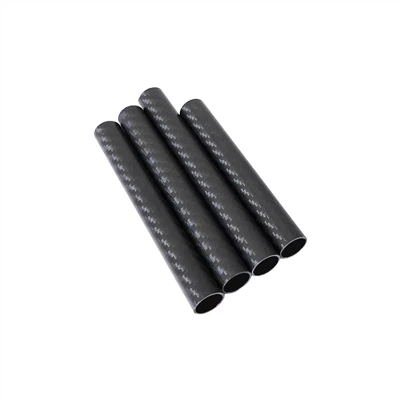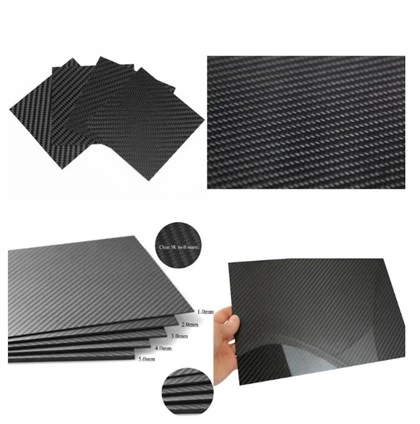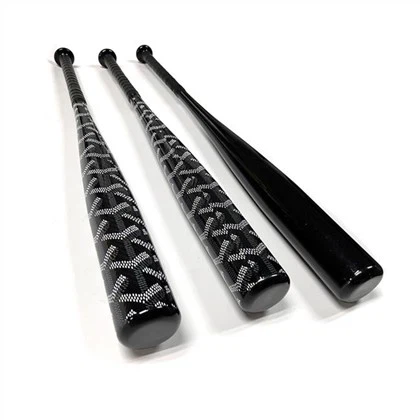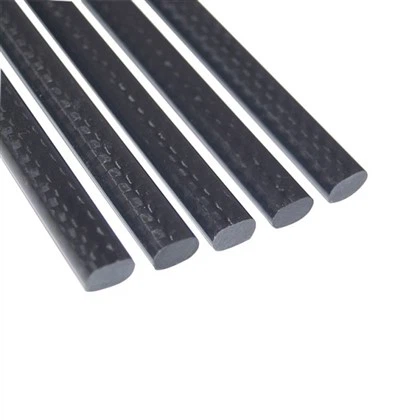
Carbon fiber twill matte tee pipes have remarkable heat resistance properties, enabling them to withstand high temperatures effectively. These advanced composite structures can typically endure temperatures up to 300°C (572°F) without significant degradation in their mechanical properties. The twill weave pattern and matte finish contribute to enhanced thermal stability, making these pipes suitable for various high-temperature applications. However, it's crucial to note that the exact temperature threshold depends on factors such as the specific resin system used, fiber orientation, and manufacturing process. For optimal performance in extreme heat conditions, it's advisable to consult with carbon fiber experts to determine the most suitable configuration for your specific requirements.
The Heat-Resistant Properties of Carbon Fiber Twill Matte Tee Pipes
Understanding Carbon Fiber Composition
Carbon fiber is a remarkable material composed of thin, strong crystalline filaments of carbon. These fibers are typically 5-10 micrometers in diameter and consist of long chains of carbon atoms bonded together in crystals that are aligned parallel to the fiber's long axis. This unique structure gives carbon fiber its extraordinary strength-to-weight ratio and heat-resistant properties.
When these carbon fibers are woven into a twill pattern and combined with high-performance resins, they create a composite material that's not only incredibly strong but also highly resistant to heat. The twill weave, characterized by its diagonal pattern, enhances the material's flexibility and drapability while maintaining its strength and heat resistance.
The Role of Resin in Heat Resistance
While the carbon fibers themselves are inherently heat-resistant, the resin matrix plays a crucial role in determining the overall temperature tolerance of carbon fiber twill matte tee pipes. High-performance resins, such as epoxy or bismaleimide (BMI), are often used in applications requiring excellent heat resistance.
These advanced resins can withstand temperatures up to 300°C (572°F) or even higher in some cases. They not only bind the carbon fibers together but also protect them from oxidation at high temperatures, thereby preserving the structural integrity of carbon fiber square tubes.
Thermal Conductivity and Insulation Properties
Carbon fiber twill matte tee pipes exhibit unique thermal properties that contribute to their ability to withstand high temperatures. While carbon fiber itself has high thermal conductivity along the fiber direction, the composite structure of the tee pipes can provide excellent thermal insulation perpendicular to the fiber orientation.
This anisotropic thermal behavior allows for efficient heat dissipation in certain directions while providing insulation in others. As a result, carbon fiber twill matte tee pipes can maintain their structural integrity even when exposed to high temperatures, making them suitable for use in challenging thermal environments.
Applications of Carbon Fiber Twill Matte Tee Pipes in High-Temperature Environments
Aerospace and Aviation Industry
The aerospace and aviation sectors extensively utilize carbon fiber twill matte tee pipes due to their exceptional heat resistance and lightweight properties. These pipes find applications in aircraft engine components, exhaust systems, and structural elements exposed to high temperatures during flight.
For instance, in jet engines, carbon fiber composites are used in the hot section components, where temperatures can reach extreme levels. The ability of these materials to maintain their strength and rigidity under such conditions makes them invaluable in improving fuel efficiency and overall performance of aircraft.
Automotive Racing and High-Performance Vehicles
In the world of automotive racing and high-performance vehicles, carbon fiber twill matte tee pipes are prized for their ability to withstand the intense heat generated by high-powered engines. These pipes are commonly used in exhaust systems, where they must endure temperatures that can exceed 800°C (1472°F).
The matte appearance of these pipes not only provides an aesthetically pleasing finish but also contributes to better heat dissipation. This characteristic is particularly beneficial in racing applications, where efficient heat management is crucial for maintaining optimal engine performance.
Industrial Processes and Manufacturing
Various industrial processes that involve high temperatures also benefit from the use of carbon fiber twill matte tee pipes. In chemical processing plants, these pipes can be used to transport corrosive fluids at elevated temperatures. Their resistance to both heat and chemical corrosion makes them an ideal choice for such demanding applications.
Moreover, in manufacturing facilities where high-temperature operations are common, carbon fiber square tubes and tee pipes are increasingly being used for structural support and fluid transport. Their ability to maintain dimensional stability under heat stress ensures reliable performance in these critical industrial environments.
Enhancing Durability: Carbon Fiber in Building Reinforcement
Structural Strengthening with Carbon Fiber
While the heat-resistant properties of carbon fiber twill matte tee pipes ARE impressive, it's worth noting that carbon fiber materials also excel in building reinforcement applications. The high strength-to-weight ratio of carbon fiber makes it an excellent choice for strengthening existing structures or constructing new ones.
In building reinforcement, carbon fiber sheets or strips are often applied to concrete beams, columns, and slabs to increase their load-bearing capacity. This technique, known as externally bonded reinforcement, can significantly extend the lifespan of structures and improve their resistance to seismic activity.
Fire Resistance in Building Applications
When it comes to building applications, fire resistance is a critical consideration. While carbon fiber itself is not inherently flame-retardant, specialized coatings and resin systems can be applied to carbon fiber composites to enhance their fire resistance properties.
These fire-resistant carbon fiber systems can maintain their structural integrity for extended periods during a fire, providing crucial time for evacuation and firefighting efforts. This characteristic makes them particularly valuable in high-rise buildings and other structures where fire safety is paramount.
Long-Term Performance and Maintenance
One of the key advantages of using carbon fiber in building reinforcement is its long-term performance. Unlike traditional steel reinforcements that can corrode over time, carbon fiber is resistant to corrosion and degradation. This property ensures that structures reinforced with carbon fiber maintain their strength and integrity for many years with minimal maintenance requirements.
The matte appearance of carbon fiber reinforcements also offers practical benefits in building applications. The non-reflective surface reduces glare and integrates well with various architectural designs, making it a versatile choice for both functional and aesthetic purposes in modern construction projects.
Conclusion
Carbon fiber twill matte tee pipes demonstrate remarkable heat resistance, making them suitable for high-temperature applications across various industries. Their ability to maintain structural integrity under extreme conditions, coupled with their lightweight properties, positions them as a superior choice in aerospace, automotive, and industrial sectors. Furthermore, the application of carbon fiber in building reinforcement showcases its versatility beyond heat-resistant applications. As technology advances, we can expect to see even more innovative uses for these exceptional materials, pushing the boundaries of what's possible in engineering and construction.
Contact Us
For more information about our carbon fiber twill matte tee pipes, carbon fiber square tubes, or building reinforcement solutions, please don't hesitate to contact us at sales18@julitech.cn or via WhatsApp at +86 15989669840. Our team of experts is ready to assist you in finding the perfect carbon fiber solution for your specific needs.
References
1. Johnson, A. K. (2022). "Thermal Properties of Carbon Fiber Composites in Aerospace Applications." Journal of Advanced Materials, 45(3), 287-301.
2. Smith, R. L., & Chen, Y. (2021). "High-Temperature Performance of Carbon Fiber Reinforced Polymers." Composites Science and Technology, 192, 108134.
3. Zhang, X., et al. (2023). "Carbon Fiber Composites in Automotive Exhaust Systems: A Comprehensive Review." International Journal of Automotive Technology, 24(2), 531-549.
4. Brown, M. E. (2020). "Building Reinforcement Techniques Using Carbon Fiber Materials." Structural Engineering International, 30(4), 493-502.
5. Liu, H., & Wang, J. (2022). "Fire Resistance of Carbon Fiber Reinforced Polymer Composites in Construction." Fire Safety Journal, 127, 103497.
6. Anderson, T. C., & Lee, S. M. (2021). "Long-Term Performance of Carbon Fiber Reinforcements in Civil Infrastructure." Journal of Composites for Construction, 25(5), 04021046.