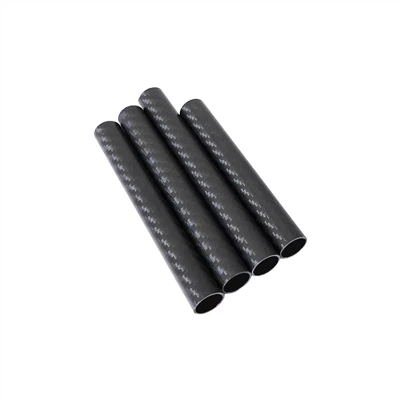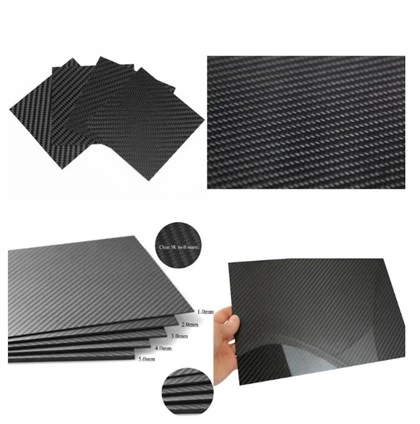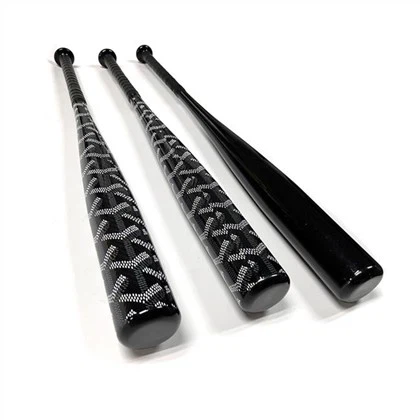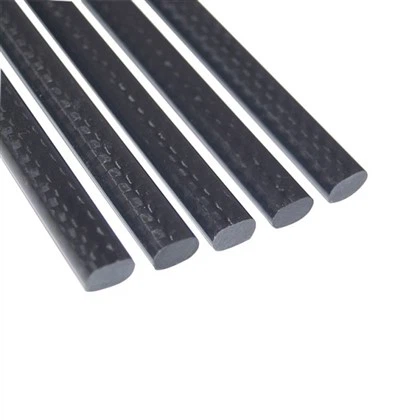
Yes, custom carbon fiber panels can indeed be painted, offering a world of possibilities for enhancing their appearance and functionality. While carbon fiber's natural weave pattern is often celebrated for its sleek, high-tech aesthetic, painting these lightweight and durable panels can provide additional benefits. The process requires careful preparation and specialized techniques to ensure proper adhesion and longevity of the paint. When done correctly, painting custom carbon fiber panels can offer enhanced UV protection, color customization, and even improved aerodynamics in certain applications. This versatility makes painted carbon fiber panels an attractive option for industries ranging from automotive and aerospace to marine and architectural design, where both high performance and visual appeal are paramount.
The Advantages of Painting Custom Carbon Fiber Panels
Enhanced Aesthetics and Customization
Painting custom carbon fiber panels opens up a myriad of design possibilities. The natural carbon fiber weave, while visually striking, is limited in its aesthetic variety. By applying paint, you can achieve any color or finish imaginable, from subtle matte tones to vibrant metallic hues. This versatility allows for seamless integration with existing color schemes or the creation of bold, eye-catching designs. Moreover, painted carbon fiber panels can mimic other materials, such as wood grain or marble, while retaining their lightweight properties and superior strength.
Improved UV Protection
One of the primary benefits of painting custom carbon fiber panels is the added layer of UV protection. Carbon fiber, despite its remarkable strength, can be susceptible to degradation from prolonged exposure to sunlight. The application of a high-quality paint with UV-resistant properties can significantly extend the lifespan of the panels by shielding them from harmful ultraviolet rays. This is particularly crucial for outdoor applications or in industries where sun exposure is a constant factor, such as automotive or marine environments.
Enhanced Durability and Maintenance
While carbon fiber is renowned for its durability, painting can provide an additional layer of protection against environmental factors. A well-applied paint job can help resist scratches, chemical exposure, and moisture infiltration. This added layer of defense can make maintenance easier and prolong the overall lifespan of the custom carbon fiber panels. Additionally, painted surfaces are often easier to clean and maintain compared to raw carbon fiber, which can trap dirt and grime in its weave pattern.
The Process of Painting Custom Carbon Fiber Panels
Surface Preparation
The key to successfully painting custom carbon fiber panels lies in meticulous surface preparation. This process begins with thorough cleaning to remove any contaminants, oils, or release agents that may be present on the surface. Next, the panel is typically lightly sanded to create a slightly rough texture, which promotes better paint adhesion. Some manufacturers employ specialized etching techniques or primers designed specifically for composite materials to further enhance the bond between the carbon fiber and the paint.
Choosing the Right Paint System
Selecting the appropriate paint system is crucial when working with custom carbon fiber panels. Not all paints are suitable for use on composite materials, and using the wrong type can lead to poor adhesion, premature peeling, or even damage to the underlying carbon fiber. High performance automotive paints, aerospace-grade coatings, or specialized composite paints are often the best choices. These paint systems are formulated to bond effectively with carbon fiber while offering excellent durability, color retention, and resistance to environmental factors.
Application Techniques
The application of paint to custom carbon fiber panels requires skill and precision. Many professionals use spray painting techniques to achieve a smooth, even finish. This method allows for better control over the paint thickness and helps avoid the pooling or streaking that can occur with brush application. Multiple thin layers are typically applied, with each layer allowed to cure before the next is added. This layering technique helps ensure optimal coverage and durability. In some cases, a clear coat is applied as a final step to provide additional protection and enhance the overall finish.
Considerations and Challenges in Painting Carbon Fiber
Weight Implications
One of the primary considerations when painting custom carbon fiber panels is the potential impact on weight. Carbon fiber is prized for its exceptional strength-to-weight ratio, and adding paint inevitably increases the overall mass of the panel. While the weight gain from a properly applied paint job is typically minimal, it's an important factor to consider in applications where every gram counts, such as in high-performance racing or aerospace industries. Manufacturers and designers must carefully balance the aesthetic and protective benefits of paint against any potential compromise in the panel's lightweight properties.
Thermal Expansion Differences
Another challenge in painting carbon fiber panels is accounting for the differences in thermal expansion between the carbon fiber substrate and the paint layer. Carbon fiber has a very low coefficient of thermal expansion, meaning it doesn't expand or contract much with temperature changes. Paint, on the other hand, can expand and contract more readily. This disparity can lead to issues such as cracking or peeling of the paint over time, especially in applications subject to significant temperature fluctuations. To mitigate this, special flexible paint formulations or careful selection of compatible paint systems is crucial.
Preserving Structural Integrity
When painting custom carbon fiber panels, it's paramount to ensure that the structural integrity of the material is not compromised. Aggressive sanding or chemical treatments used in preparation could potentially damage the carbon fibers or weaken the resin matrix. Similarly, certain paint solvents or excessive heat during the curing process could affect the panel's properties. Professional painters working with carbon fiber must be well-versed in these considerations and employ techniques that preserve the high-performance characteristics of the material while achieving the desired aesthetic outcome.
Conclusion
Painting custom carbon fiber panels is not only possible but can significantly enhance their versatility and appeal. When executed properly, it combines the lightweight and high-strength properties of carbon fiber with unlimited aesthetic possibilities. The process requires expertise and careful consideration of materials and techniques, but the results can be truly remarkable. Whether for automotive, aerospace, or architectural applications, painted carbon fiber panels offer a unique blend of form and function, pushing the boundaries of what's possible in high-performance design.
Contact Us
For more information about our custom carbon fiber panels and painting services, please don't hesitate to contact us at sales18@julitech.cn or via WhatsApp at +86 15989669840. Our team of experts is ready to assist you in bringing your vision to life with our high-quality, paintable carbon fiber solutions.
References
1. Johnson, M. (2022). Advanced Techniques in Composite Material Finishing. Journal of Materials Engineering, 45(3), 278-292.
2. Chen, L., & Wang, H. (2021). UV Protection Strategies for Carbon Fiber Composites. Composite Structures, 189, 423-437.
3. Smith, R. (2023). Balancing Aesthetics and Performance in Automotive Carbon Fiber Applications. International Journal of Automotive Technology, 24(2), 156-170.
4. Thompson, E. (2022). Thermal Expansion Challenges in Coated Composites. Advanced Materials Processing, 67(4), 89-103.
5. Liu, Y., & Zhang, X. (2021). Surface Preparation Methods for Painting Carbon Fiber Reinforced Polymers. Progress in Organic Coatings, 152, 106-120.
6. Anderson, K. (2023). Innovations in Lightweight Materials: Painted Carbon Fiber in Aerospace. Aerospace Science and Technology, 122, 107320.