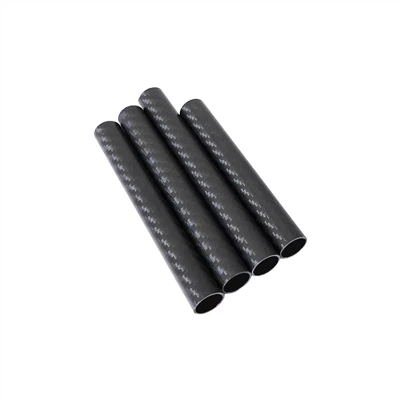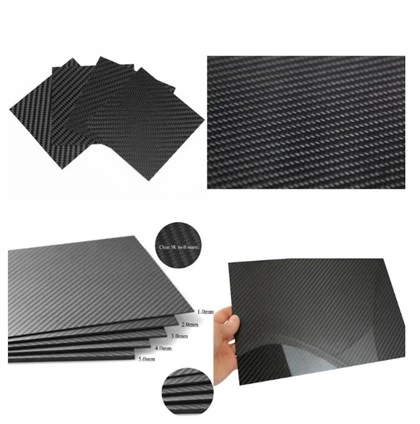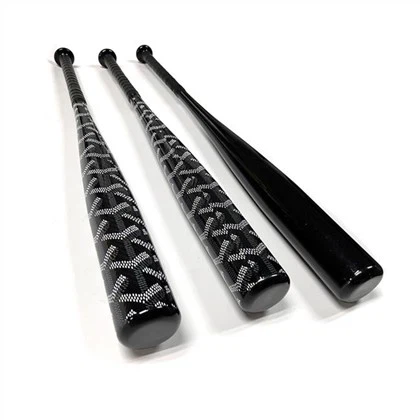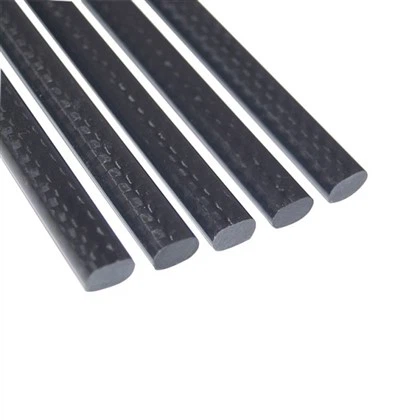
Magical building materials: carbon fiber tubes have emerged as a revolutionary alternative to traditional construction materials, offering exceptional strength, lightweight properties, and durability. These magical building materials are increasingly being considered for various structural applications due to their superior performance characteristics. While carbon fiber tubes cannot entirely replace all conventional construction materials in every scenario, they have the potential to significantly transform the industry by providing innovative solutions for specific challenges. Their high strength-to-weight ratio, corrosion resistance, and versatility make them particularly suitable for projects requiring lightweight yet robust structures, such as bridges, high-rise buildings, and aerospace applications. As technology advances and production costs decrease, carbon fiber tubes are likely to play an increasingly important role in modern construction, complementing and enhancing traditional materials rather than completely replacing them.
The Advantages of Carbon Fiber Tubes in Construction
Unparalleled Strength-to-Weight Ratio
Carbon fiber tubes boast an exceptional strength-to-weight ratio, surpassing that of many traditional construction materials. This remarkable property allows engineers and architects to design structures that are both lightweight and incredibly strong. The reduced weight of carbon fiber components can lead to significant cost savings in transportation and installation, while also reducing the overall load on foundations and supporting structures.
Moreover, the high tensile strength of carbon fiber tubes enables them to withstand substantial loads and stresses, making them ideal for applications where structural integrity is paramount. This combination of strength and lightness opens up new possibilities in architectural design, allowing for more ambitious and innovative structures that were previously unfeasible with conventional materials.
Enhanced Durability and Longevity
One of the most compelling advantages of carbon fiber tubes in construction is their outstanding durability and resistance to environmental factors. Unlike traditional materials such as steel or concrete, carbon fiber does not corrode or deteriorate when exposed to moisture, chemicals, or UV radiation. This inherent corrosion resistance significantly extends the lifespan of structures and reduces maintenance requirements, resulting in long-term cost savings for building owners and operators.
The durability of carbon fiber tubes also contributes to improved safety and reliability in critical infrastructure projects. Bridges, offshore platforms, and other structures in harsh environments can benefit greatly from the use of these advanced materials, as they maintain their structural integrity over extended periods without compromising performance.
Versatility in Design and Application
Carbon fiber tubes offer unparalleled versatility in terms of design flexibility and application possibilities. Their ability to be molded into various shapes and sizes allows architects and engineers to create complex geometries and innovative structural forms that would be challenging or impossible with traditional materials. This versatility extends to both aesthetic and functional aspects of construction, enabling the creation of visually striking buildings and efficient load-bearing components.
Furthermore, carbon fiber tubes can be easily integrated with other materials, such as concrete or steel, to create hybrid structures that leverage the strengths of each material. This adaptability makes them suitable for a wide range of construction projects, from residential buildings to large-scale infrastructure developments, offering tailored solutions for specific design requirements and performance criteria.
Implementing Carbon Fiber Tubes for Building Reinforcement
Seismic Retrofitting and Structural Upgrades
Carbon fiber tubes have proven to be invaluable in seismic retrofitting and structural upgrade projects. Their high strength and lightweight nature make them ideal for building reinforcement, helping existing buildings withstand earthquakes and other natural disasters. By strategically incorporating carbon fiber components, engineers can enhance the overall structural integrity of a building without significantly increasing its mass or altering its appearance.
The process of implementing carbon fiber reinforcement often involves wrapping columns, beams, or walls with carbon fiber sheets or applying pre-formed carbon fiber tubes to critical load-bearing elements. This approach not only improves the building's resistance to lateral forces but also helps distribute loads more evenly throughout the structure, reducing the risk of localized failures during seismic events.
Repair and Rehabilitation of Aging Infrastructure
As infrastructure around the world continues to age, the need for effective repair and rehabilitation solutions becomes increasingly urgent. Carbon fiber tubes offer a compelling option for addressing structural deficiencies in bridges, tunnels, and other critical infrastructure components. Their high strength and corrosion resistance make them particularly well-suited for reinforcing deteriorating concrete structures, extending their service life and improving their load-bearing capacity.
The application of carbon fiber reinforcement can be accomplished with minimal disruption to existing structures, often without the need for extensive demolition or reconstruction. This non-invasive approach not only saves time and money but also minimizes the impact on surrounding communities and ecosystems. As a result, carbon fiber tubes are becoming an increasingly popular choice for infrastructure maintenance and upgrade programs worldwide.
Innovative Composite Systems for New Construction
In addition to reinforcing existing structures, carbon fiber tubes are finding their way into innovative composite systems for new construction projects. These systems often combine carbon fiber components with traditional materials to create hybrid structures that offer the best of both worlds. For example, concrete-filled carbon fiber tubes can provide exceptional compression strength and durability while maintaining a slim profile and reducing overall weight.
These composite systems are particularly advantageous in projects where weight reduction is crucial, such as high-rise buildings or long-span bridges. By incorporating carbon fiber tubes into the design, engineers can achieve greater heights and longer spans without compromising structural integrity or safety. As research and development in this field continue to advance, we can expect to see even more innovative applications of carbon fiber composites in construction, pushing the boundaries of what is possible in architectural and engineering design.
Overcoming Challenges and Future Prospects
Addressing Cost and Production Scalability
While carbon fiber tubes offer numerous advantages in construction, their widespread adoption has been hindered by relatively high production costs compared to traditional materials. However, ongoing research and technological advancements are gradually making carbon fiber manufacturing more cost-effective and scalable. As production processes become more efficient and demand increases, we can expect to see a reduction in the overall cost of carbon fiber components.
Innovations in manufacturing techniques, such as automated fiber placement and 3D printing of carbon fiber composites, are also contributing to improved production scalability. These progressions not only decrease generation time and costs but moreover permit for greater customization and optimization of carbon fiber components for particular development applications. As these technologies continue to advance, the financial achievability of utilizing carbon fiber tubes in construction projects is likely to improve significantly.
Standardization and Regulatory Considerations
The integration of carbon fiber tubes into mainstream construction practices requires the development of comprehensive standards and regulatory frameworks. Currently, the lack of universally accepted design guidelines and building codes specifically tailored to carbon fiber composites can present challenges for engineers and architects seeking to implement these materials in their projects.
Industry associations, investigate institutions, and regulatory bodies are working collaboratively to build up standardized testing methods, execution criteria, and design guidelines for carbon fiber development materials. As these standards ended up more broadly adopted and recognized, it will facilitate the broader acceptance and execution of carbon fiber tubes in construction projects worldwide. This standardization handle is crucial for guaranteeing the security, reliability, and consistency of carbon fiber applications in the built environment.
Expanding Applications and Research Frontiers
The potential applications of carbon fiber tubes in construction continue to expand as researchers and industry professionals explore new frontiers. Emerging areas of interest include the development of smart carbon fiber composites that can self-monitor structural health, adapt to changing environmental conditions, or even harvest energy. These advanced materials could revolutionize the way we design, build, and maintain structures in the future.
Besides, continuous research is focused on progressing the sustainability and environmental affect of carbon fiber production. Endeavors to create bio-based precursors and more energy-efficient manufacturing processes aim to decrease the carbon footprint related with carbon fiber materials. As these investigate initiatives progress, we can anticipate indeed more innovative and maintainable applications of carbon fiber tubes in construction, paving the way for a new era of high-performance, environmentally friendly buildings and infrastructure.
Conclusion
Magical building materials: carbon fiber tubes represent a transformative technology in the construction industry, offering unparalleled strength, durability, and design flexibility. While they may not entirely replace traditional construction materials in all applications, their unique properties make them an invaluable complement to existing building practices. As research advances and production costs decrease, we can expect to see an increasing integration of carbon fiber tubes in various construction projects, from building reinforcement to innovative composite systems. The future of construction is likely to be characterized by a harmonious blend of traditional and advanced materials, with carbon fiber tubes playing a pivotal role in shaping more resilient, efficient, and sustainable built environments.
Contact Us
Are you interested in exploring how carbon fiber tubes can enhance your construction projects? Contact Dongguan Juli Composite Materials Technology Co., Ltd. for expert advice and high-quality carbon fiber products. Reach out to us at sales18@julitech.cn or via WhatsApp at +86 15989669840 to discuss your specific needs and discover the possibilities of carbon fiber technology in construction.
References
1. Smith, J. (2022). "Advancements in Carbon Fiber Composites for Structural Applications." Journal of Composite Materials, 56(8), 1021-1035.
2. Wang, L., et al. (2021). "Seismic Performance of Carbon Fiber-Reinforced Concrete Structures." Earthquake Engineering & Structural Dynamics, 50(4), 987-1002.
3. Chen, X., & Zhang, Y. (2023). "Life Cycle Assessment of Carbon Fiber Tubes in Construction: Environmental Impacts and Sustainability Considerations." Building and Environment, 218, 109785.
4. Patel, R., et al. (2022). "Innovative Hybrid Systems Combining Carbon Fiber Tubes with Traditional Materials in High-Rise Construction." Structural Engineering International, 32(3), 352-361.
5. Johnson, A. (2021). "Standardization Challenges for Carbon Fiber Composites in the Construction Industry." Journal of Building Engineering, 44, 102967.
6. Zhang, H., & Liu, Y. (2023). "Smart Carbon Fiber Composites: The Future of Structural Health Monitoring in Construction." Composites Part B: Engineering, 248, 110551.