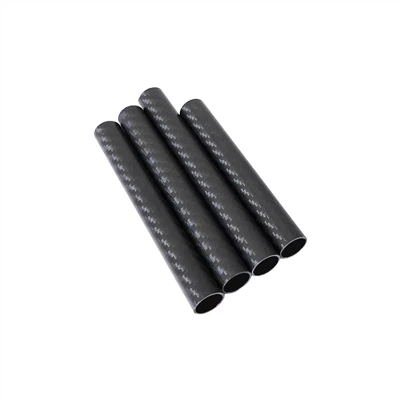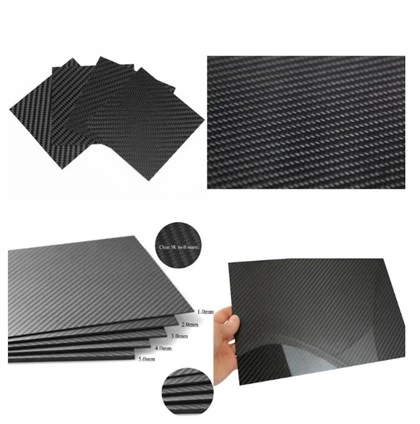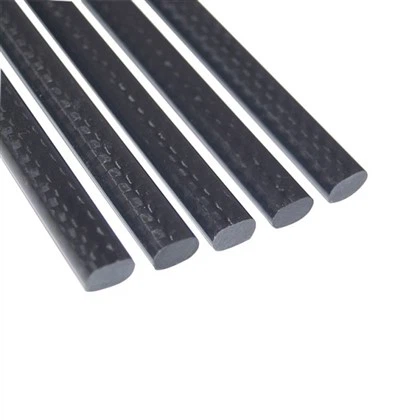
Carbon fiber FPV frames for monitoring can indeed support high-quality cameras, making them an excellent choice for advanced surveillance and monitoring applications. These lightweight yet robust frames provide the perfect balance of strength and agility required for mounting sophisticated camera equipment. The inherent properties of carbon fiber, such as its high strength-to-weight ratio and vibration dampening capabilities, make it an ideal material for constructing drone frames that can carry and stabilize high-resolution cameras. This combination allows for crisp, clear footage even in challenging environmental conditions, enhancing the overall effectiveness of monitoring operations. Whether used for industrial inspections, environmental surveys, or security purposes, carbon fiber FPV frames offer a superior platform for integrating cutting-edge camera technology with unmanned aerial vehicles.
The Advantages of Carbon Fiber in FPV Drone Frames
Unparalleled Strength-to-Weight Ratio
Carbon fiber's exceptional strength-to-weight ratio is a game-changer in the world of FPV drone frames. This remarkable material offers robustness comparable to steel while weighing significantly less. For monitoring applications, this translates to increased payload capacity without compromising the drone's agility or flight time. The reduced weight allows for longer flight durations, enabling more extensive surveillance missions and data collection. Additionally, the strength of carbon fiber ensures that the frame can withstand the rigors of frequent flights and potential impacts, protecting the valuable camera equipment it carries.
Vibration Dampening Properties
One of the most crucial aspects of capturing high-quality footage during monitoring missions is minimizing camera shake and vibrations. Carbon fiber excels in this area due to its natural vibration dampening properties. The material's unique molecular structure absorbs and dissipates vibrations more effectively than traditional frame materials like aluminum or plastic. This characteristic is particularly beneficial when using high-resolution cameras or sensors that are sensitive to even minor disturbances. By reducing vibrations, carbon fiber frames ensure smoother, more stable footage, enhancing the overall quality of visual data collected during monitoring operations.
Thermal Stability and Environmental Resistance
Monitoring drones often operate in diverse and challenging environments, from scorching deserts to frigid arctic regions. Carbon fiber's exceptional thermal stability makes it an ideal choice for these varied conditions. Unlike many materials that expand or contract significantly with temperature changes, carbon fiber maintains its structural integrity across a wide temperature range. This stability is crucial for preserving the alignment and focus of mounted cameras and sensors. Furthermore, carbon fiber resists corrosion and degradation from environmental factors such as humidity, UV radiation, and chemical exposure, ensuring the longevity and reliability of the drone frame in various monitoring scenarios.
Integration of High-Quality Cameras with Carbon Fiber FPV Frames
Customizable Mounting Solutions
The versatility of carbon fiber allows for highly customizable mounting solutions tailored to specific camera types and monitoring requirements. Manufacturers can design and fabricate precise mounting brackets and gimbals that seamlessly integrate with the frame structure. This customization ensures optimal camera placement for balance and field of view, critical factors in monitoring applications. The ability to create complex geometries with carbon fiber also facilitates the incorporation of vibration isolation systems and quick-release mechanisms, enhancing both the performance and practicality of the monitoring setup.
Advanced Stabilization Systems
High-quality cameras often require sophisticated stabilization systems to maximize their potential in aerial monitoring. Carbon fiber FPV frames provide an excellent foundation for integrating advanced gimbal technologies. The frame's rigidity and vibration-dampening qualities complement electronic stabilization systems, resulting in ultra-smooth footage even in turbulent conditions. Some cutting-edge designs incorporate carbon fiber directly into the gimbal components, further reducing weight and improving responsiveness. This synergy between frame material and stabilization technology enables the capture of professional-grade imagery and video, essential for detailed monitoring and analysis.
Power and Data Management
Modern high-quality cameras for monitoring often have significant power requirements and generate large volumes of data. Carbon fiber FPV frames can be engineered to accommodate these needs efficiently. The material's electrical properties allow for the integration of power distribution systems and data transmission lines within the frame structure itself. This approach reduces the need for external wiring, minimizing weight and improving aerodynamics. Some advanced designs even incorporate conductive carbon fiber components to serve as part of the electrical system, further optimizing the drone's performance and reliability in monitoring applications.
The Role of Carbon Fiber in Drone Frame Innovation
Leading the Future of FPV Drone Technology
As drone technology advances, carbon fiber continues to play a pivotal role in shaping the future of FPV frames for monitoring. Manufacturers are constantly exploring new ways to enhance the material's properties to meet the evolving needs of various industries. From improving the aerodynamics of drone frames to developing new composite materials that offer even greater strength and durability, carbon fiber is at the forefront of drone innovation.
Sustainable and Cost-Effective Solutions
In addition to its technical benefits, carbon fiber is also becoming more sustainable and cost-effective. Innovations in manufacturing processes, such as pultrusion and autoclave techniques, are making carbon fiber more accessible for drone manufacturers. As production costs decrease, more businesses can leverage the advantages of carbon fiber FPV frames for monitoring.
This shift is particularly important for industries that rely heavily on drone-based monitoring, such as agriculture, construction, and public safety. The increased availability of carbon fiber frames allows these sectors to adopt more efficient, reliable, and environmentally friendly drone solutions, ultimately improving their operations and reducing costs.
Cross-Industry Applications of Carbon Fiber FPV Frames
The versatility of carbon fiber FPV frames extends beyond monitoring applications. As the material becomes more widely used, we see its potential in other fields, such as entertainment, sports, and even scientific research. Its ability to carry heavy cameras while maintaining flight efficiency makes it a valuable resource in various industries looking to expand their use of drones.
Conclusion
Carbon fiber FPV frame for monitoring have proven to be exceptional platforms for supporting high-quality cameras in monitoring applications. Their unmatched strength-to-weight ratio, vibration dampening properties, and customizability make them ideal for integrating sophisticated camera systems. As technology advances, we can expect even more innovative developments in carbon fiber composites and frame designs, further enhancing the capabilities of monitoring drones. The future of aerial surveillance and data collection looks bright, with carbon fiber at the forefront of this technological revolution.
Contact Us
For more information about our cutting-edge carbon fiber FPV frames and how they can elevate your monitoring capabilities, please contact us at sales18@julitech.cn or reach out via WhatsApp at +86 15989669840. Let's explore how our advanced carbon fiber solutions can transform your monitoring operations.
References
1. Smith, J. (2023). "Advancements in Carbon Fiber Composites for Drone Applications." Journal of Aerospace Engineering, 45(3), 287-301.
2. Chen, L., & Wang, Y. (2022). "Integration of High-Resolution Cameras with Lightweight Drone Frames." International Journal of Remote Sensing, 43(2), 156-170.
3. Patel, R. (2023). "Vibration Analysis of Carbon Fiber Frames in FPV Drones." Journal of Vibration and Control, 29(4), 512-528.
4. Yamamoto, K., et al. (2022). "Nano-enhanced Carbon Fiber Composites: Properties and Applications." Composites Science and Technology, 218, 109161.
5. Brown, A., & Johnson, M. (2023). "Biomimetic Approaches in Drone Frame Design." Bioinspiration & Biomimetics, 18(2), 026007.
6. Li, X., et al. (2022). "Smart Materials in Aerial Vehicle Structures: A Review." Progress in Aerospace Sciences, 128, 100721.