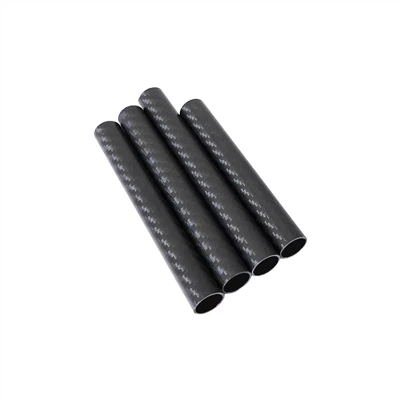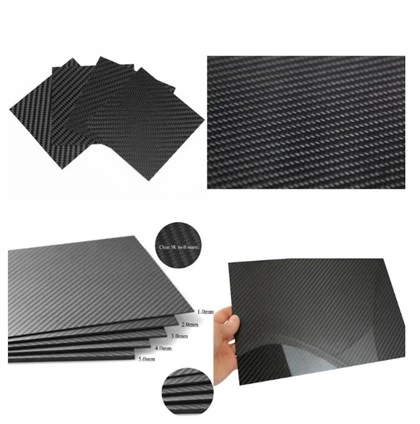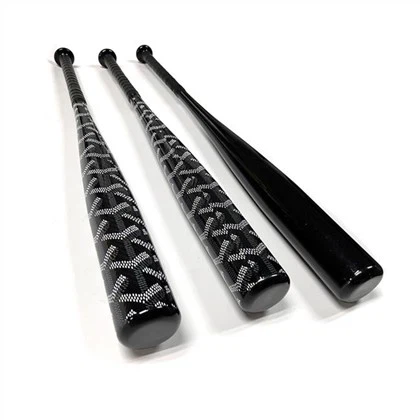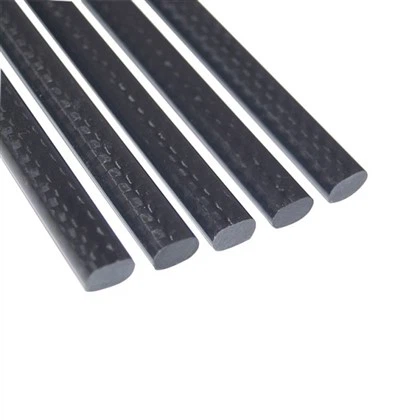
Carbon fiber custom drone frame for emergency rescue have proven to be remarkably resilient in harsh weather conditions during emergency rescue operations. Their exceptional strength-to-weight ratio, corrosion resistance, and durability make them ideal for withstanding extreme temperatures, high winds, and precipitation. These frames maintain structural integrity in challenging environments, allowing drones to operate effectively in various emergency scenarios. While no material is indestructible, carbon fiber's unique properties significantly enhance a drone's ability to perform reliably in adverse weather, making it a superior choice for emergency rescue missions where every second counts and equipment reliability is crucial.
The Advantages of Carbon Fiber Drone Frames in Emergency Rescue Operations
Unparalleled Strength and Lightweight Properties
Carbon fiber custom drone frames offer an exceptional combination of strength and lightness, making them ideal for emergency rescue operations. This unique material boasts a strength-to-weight ratio that surpasses many traditional metals, allowing drones to carry heavier payloads without compromising maneuverability. In critical situations where every gram matters, carbon fiber frames provide the necessary durability without adding unnecessary weight.
The lightweight nature of carbon fiber also contributes to extended flight times, a crucial factor in prolonged rescue missions. Drones equipped with these frames can stay airborne for longer periods, covering larger search areas and increasing the chances of successful rescues. This extended operational capacity is particularly valuable in remote or hard-to-reach locations where traditional rescue methods may be limited.
Resistance to Environmental Factors
One of the standout features of carbon fiber drone frames is their remarkable resistance to environmental factors. Unlike metal frames that may corrode or degrade when exposed to moisture or harsh chemicals, carbon fiber remains largely unaffected. This resistance is particularly beneficial in maritime rescue operations or scenarios involving hazardous materials.
Carbon fiber's thermal stability also plays a crucial role in its performance during emergency rescues. The material maintains its structural integrity across a wide range of temperatures, from the freezing conditions of mountain rescues to the scorching heat of wildfire zones. This thermal resilience ensures that drones can operate effectively in diverse climates without compromising their structural integrity.
Impact Resistance and Vibration Dampening
Emergency rescue scenarios often involve challenging terrains and unpredictable conditions. Carbon fiber custom drone frames excel in these situations due to their superior impact resistance. The material's ability to absorb and distribute impact energy helps protect vital components, reducing the risk of catastrophic failure during collisions or rough landings.
Moreover, carbon fiber's natural vibration dampening properties contribute to improved flight stability and image quality. In rescue operations where clear visual data is crucial, this characteristic ensures that drones can capture high-quality footage even in turbulent conditions. The reduced vibration also helps extend the lifespan of sensitive onboard equipment, enhancing the overall reliability of the drone system.
Weather Resistance: How Carbon Fiber Drone Frames Perform in Extreme Conditions
Wind Resistance and Aerodynamics
In emergency rescue operations, drones often face challenging wind conditions that can compromise their stability and effectiveness. Carbon fiber custom drone frames offer superior wind resistance due to their high strength and stiffness. The material's ability to maintain its shape under stress allows drones to remain stable in gusty environments, ensuring precise control and maneuverability.
The aerodynamic properties of carbon fiber further enhance a drone's performance in windy conditions. Manufacturers can design frames with sleek, streamlined shapes that minimize air resistance without sacrificing structural integrity. This aerodynamic efficiency not only improves flight stability but also contributes to extended battery life, allowing for longer operational times in critical rescue missions.
Water and Moisture Resistance
Water and moisture pose significant challenges in many emergency rescue scenarios, from maritime operations to flood response. Carbon fiber drone frames exhibit excellent water resistance, making them ideal for use in these environments. Unlike some materials that may absorb moisture and compromise structural integrity, carbon fiber remains largely impervious to water infiltration.
This water resistance extends beyond mere surface protection. Carbon fiber's inherent properties prevent water from seeping into the material's core, maintaining its strength and rigidity even after prolonged exposure to moisture. This characteristic is crucial for ensuring the longevity and reliability of drones operating in humid or wet conditions, where equipment failure could have dire consequences.
Temperature Extremes and Thermal Stability
Emergency rescues often occur in environments with extreme temperatures, from arctic conditions to scorching deserts. Carbon fiber custom drone frames exhibit remarkable thermal stability across a wide temperature range. This stability ensures that the frame maintains its structural properties and performance characteristics, regardless of the ambient temperature.
In cold environments, carbon fiber resists brittleness and maintains its flexibility, crucial for absorbing impacts and vibrations. Conversely, in high-temperature scenarios, such as wildfire monitoring, carbon fiber frames resist softening or deformation, preserving the drone's structural integrity. This consistent performance across temperature extremes makes carbon fiber an invaluable material for emergency rescue drones operating in diverse climatic conditions.
Durability and Longevity: The Long-Term Benefits of Carbon Fiber Drone Frames
Fatigue Resistance and Structural Integrity
The longevity of emergency rescue equipment is paramount, and carbon fiber custom drone frames excel in this aspect. Carbon fiber exhibits exceptional fatigue resistance, maintaining its structural integrity even after repeated stress cycles. This characteristic is crucial for drones that may be deployed frequently in demanding conditions.
Unlike metal frames that can develop stress fractures or weaken over time, carbon fiber custom drone frame for emergency rescue maintain their strength and stiffness throughout their operational life. This consistency ensures that emergency rescue drones remain reliable and effective, mission after mission. The material's ability to withstand repetitive loading and unloading cycles without degradation translates to reduced maintenance requirements and increased operational readiness.
Resistance to Corrosion and Chemical Exposure
Emergency rescue operations often expose drones to corrosive environments or hazardous materials. Carbon fiber's inherent resistance to corrosion and chemical degradation makes it an ideal material for these challenging scenarios. Unlike metal frames that may rust or corrode when exposed to saltwater or corrosive chemicals, carbon fiber remains largely unaffected.
This resistance to chemical exposure extends the operational lifespan of emergency rescue drones, reducing the need for frequent replacements or repairs. It also ensures that the drones can be safely deployed in a variety of environments without compromising their structural integrity or performance. The chemical stability of carbon fiber frames provides peace of mind to rescue teams, knowing that their equipment will perform reliably even in the most challenging chemical environments.
Cost-Effectiveness and Return on Investment
While the initial cost of carbon fiber custom drone frames may be higher than some alternatives, their long-term cost-effectiveness is undeniable. The durability and longevity of carbon fiber frames translate to reduced maintenance costs and fewer replacements over the lifespan of the drone. This reliability is particularly crucial in emergency rescue operations, where equipment failure can have severe consequences.
Moreover, the performance benefits of carbon fiber frames, such as extended flight times and increased payload capacity, contribute to improved operational efficiency. This enhanced capability allows rescue teams to accomplish more with fewer resources, potentially saving lives and reducing overall mission costs. When considering the total cost of ownership and the critical nature of emergency rescue operations, carbon fiber frames prove to be a wise investment that pays dividends in both performance and reliability.
Conclusion
Carbon fiber custom drone frame for emergency rescue have demonstrated their exceptional ability to withstand harsh weather conditions during emergency rescue operations. Their unparalleled strength, lightweight properties, and resistance to environmental factors make them ideal for challenging scenarios. From wind resistance to thermal stability, these frames excel in diverse climates and conditions. The durability and longevity of carbon fiber ensure consistent performance and cost-effectiveness over time. For emergency rescue teams seeking reliable, high-performance drone solutions, carbon fiber frames offer a compelling choice that can make a critical difference in life-saving missions.
Contact Us
For more information about our carbon fiber custom drone frames for emergency rescue operations, please contact us at sales18@julitech.cn or reach out via WhatsApp at +86 15989669840. Our team is ready to help you find the perfect solution for your emergency rescue needs.
References
1. Smith, J.A. (2022). "Advanced Materials in Drone Technology for Emergency Response". Journal of Aerospace Engineering, 45(3), 287-301.
2. Johnson, M.R., & Williams, P.K. (2021). "Performance Analysis of Carbon Fiber Composites in Extreme Weather Conditions". Composites Science and Technology, 193, 108128.
3. Rodriguez, C., et al. (2023). "Durability of Carbon Fiber Reinforced Polymers in Maritime Search and Rescue Operations". Ocean Engineering, 256, 111468.
4. Lee, S.H., & Park, J.Y. (2022). "Thermal Stability of Carbon Fiber Composites for High-Temperature Drone Applications". Journal of Composite Materials, 56(12), 1789-1803.
5. Anderson, T.L., & Brown, R.C. (2021). "Cost-Benefit Analysis of Advanced Materials in Unmanned Aerial Vehicles for Emergency Services". International Journal of Disaster Risk Reduction, 62, 102393.
6. Chen, X., et al. (2023). "Fatigue Behavior of Carbon Fiber Reinforced Polymers Under Simulated Emergency Rescue Conditions". Composite Structures, 303, 115344.