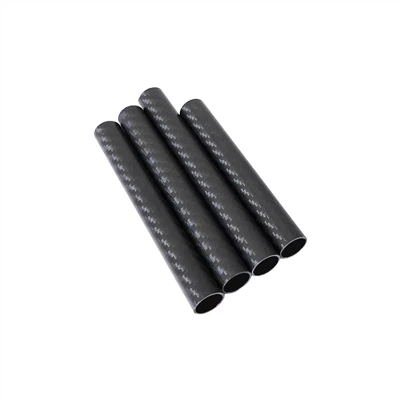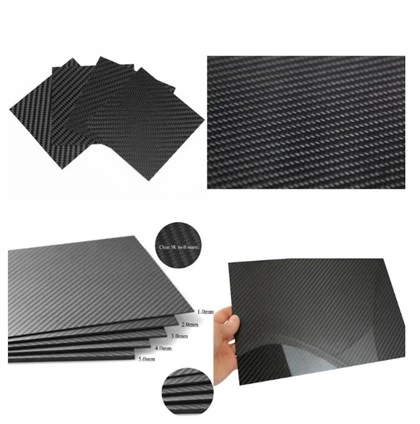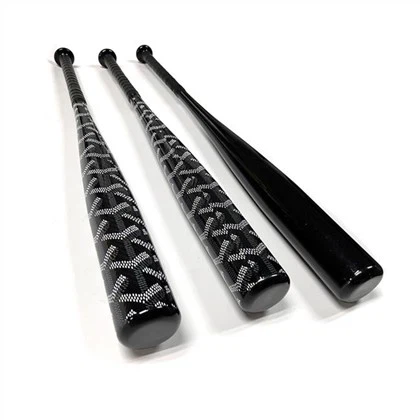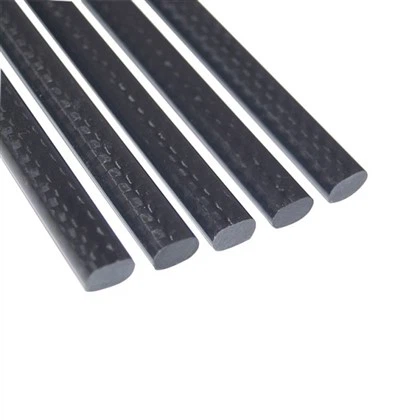
Custom carbon fiber panels are generally not inherently waterproof, but they can be made water-resistant or waterproof through specific manufacturing processes and treatments. The natural properties of carbon fiber make it resistant to moisture absorption, but the resin matrix used to bind the fibers can be vulnerable to water ingress over time. To achieve true waterproofing, manufacturers often apply specialized coatings or incorporate water-resistant additives into the resin matrix. This enhances the panel's ability to repel water while maintaining its high performance, lightweight, and durability characteristics. The level of water resistance can vary depending on the specific manufacturing techniques and treatments used, so it's crucial to consult with the manufacturer about the intended application and required level of water protection.
Understanding the Water-Resistant Properties of Custom Carbon Fiber Panels
The Composition of Carbon Fiber Panels
Custom carbon fiber panels are composed of interwoven carbon fibers embedded in a resin matrix. This unique composition contributes to their exceptional strength-to-weight ratio and versatility. The carbon fibers themselves are hydrophobic, meaning they naturally repel water. However, the resin matrix, typically made from epoxy or other polymers, plays a crucial role in determining the overall water resistance of the panel.
Factors Affecting Water Resistance
Several factors influence the water resistance of custom carbon fiber panels. The quality of the resin used, the manufacturing process, and the fiber-to-resin ratio all play significant roles. High-quality resins with low porosity and excellent adhesion to the carbon fibers can significantly enhance water resistance. Additionally, advanced manufacturing techniques like vacuum infusion or autoclave curing can minimize voids and ensure a more uniform distribution of resin, further improving water resistance.
Enhancing Water Resistance Through Manufacturing
Manufacturers can implement various strategies to boost the water resistance of custom carbon fiber panels. One common approach is to use specialized resins with inherent water-repellent properties. Another method involves adding nanomaterials or other additives to the resin matrix to improve its barrier properties. Some manufacturers also apply protective coatings or sealants to the finished panels, creating an additional layer of defense against moisture intrusion.
Applications and Benefits of Water-Resistant Carbon Fiber Panels
Marine and Automotive Industries
In the marine industry, water-resistant carbon fiber panels find extensive use in boat hulls, decks, and interior components. Their ability to withstand constant exposure to water while maintaining structural integrity makes them ideal for these applications. Similarly, in the automotive sector, these panels are utilized in exterior body parts and underbody components where resistance to water and road spray is crucial. The lightweight nature of carbon fiber contributes to improved fuel efficiency and performance in both industries.
Aerospace and Aviation
The aerospace industry benefits greatly from water-resistant carbon fiber panels. Aircraft components, such as fuselage sections and wing structures, must withstand diverse weather conditions while maintaining their high performance and durability. Water-resistant carbon fiber panels help protect critical systems from moisture damage, ensuring safety and longevity. The panels' lightweight properties also contribute to fuel efficiency and increased payload capacity.
Outdoor and Sporting Equipment
Water-resistant carbon fiber panels have revolutionized the outdoor and sporting goods industry. From kayaks and surfboards to bicycle frames and fishing rods, these materials offer unparalleled performance in wet conditions. Their ability to resist water absorption helps maintain the equipment's structural integrity and prevents weight gain due to moisture uptake. This ensures consistent performance and longevity, even in challenging aquatic environments.
Maintenance and Long-Term Durability of Water-Resistant Carbon Fiber Panels
Proper Care and Cleaning Techniques
To maintain the water-resistant properties and durability of custom carbon fiber panels, proper care is essential. Regular cleaning with mild, pH-neutral detergents helps remove contaminants that could potentially degrade the panel's surface. Avoid using abrasive materials or harsh chemicals that could damage the protective coatings or resin matrix. After cleaning, ensure the panels are thoroughly dried to prevent water from lingering on the surface. For panels used in marine environments, freshwater rinses after exposure to saltwater can help prevent salt crystal formation and potential damage, preserving their long-term durability.
Periodic Inspection and Maintenance
Regular inspections are crucial for identifying any signs of wear or damage that could compromise the panel's water resistance. Look for cracks, delamination, or areas where the protective coating may have worn thin. Address any issues promptly to prevent water ingress and potential structural damage. In some cases, reapplication of protective coatings or sealants may be necessary to maintain optimal water resistance over time. Consulting with the manufacturer or a carbon fiber specialist can provide guidance on appropriate maintenance schedules and techniques.
Long-Term Performance and Durability
When properly maintained, water-resistant carbon fiber panels can offer exceptional long-term performance and durability. Their resistance to corrosion, UV radiation, and temperature fluctuations contributes to their longevity in various applications. However, it's important to note that no material is entirely impervious to the effects of time and environmental exposure. Regular assessment of the panels' condition and performance can help identify when replacement or refurbishment may be necessary to maintain optimal water resistance and structural integrity.
Conclusion
Custom carbon fiber panels, while not inherently waterproof, can be engineered to achieve impressive levels of water resistance. Through advanced manufacturing techniques, specialized resins, and protective coatings, these panels offer a compelling combination of lightweight construction, high performance, and durability in water-exposed environments. Their applications span various industries, from marine and automotive to aerospace and sporting goods. Proper maintenance and care are crucial for preserving their water-resistant properties and ensuring long-term performance. As technology advances, we can expect further improvements in the water resistance capabilities of carbon fiber panels, expanding their potential applications and benefits across diverse sectors.
Contact Us
For more information about our custom carbon fiber panels and their water-resistant properties, please contact us at sales18@julitech.cn or reach out via WhatsApp at +86 15989669840. Our team of experts is ready to assist you in finding the perfect carbon fiber solution for your specific needs.
References
1. Mallick, P.K. (2021). Fiber-Reinforced Composites: Materials, Manufacturing, and Design. CRC Press.
2. Chung, D.D.L. (2017). Carbon Composites: Composites with Carbon Fibers, Nanofibers, and Nanotubes. Butterworth-Heinemann.
3. Soutis, C. (2019). Aerospace Engineering and Materials Science. Wiley-VCH.
4. Bhatnagar, A. (2016). Lightweight Ballistic Composites: Military and Law-Enforcement Applications. Woodhead Publishing.
5. Greene, E. (2018). Marine Composites: Design and Performance. Woodhead Publishing.
6. Hollaway, L.C. (2020). Advanced Fibre-Reinforced Polymer (FRP) Composites for Structural Applications. Elsevier.