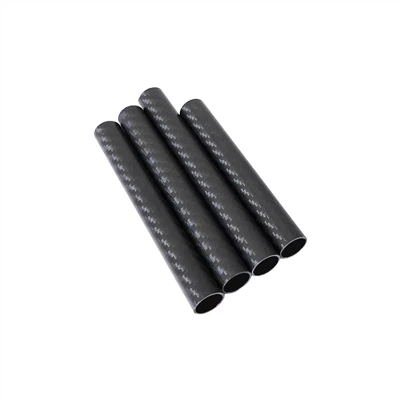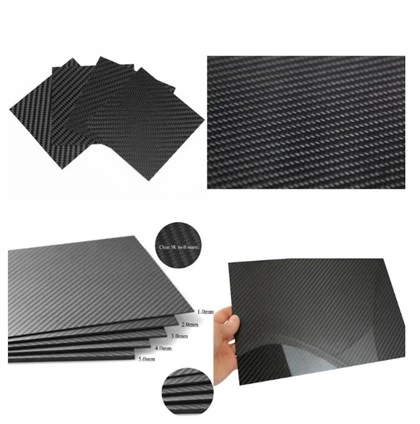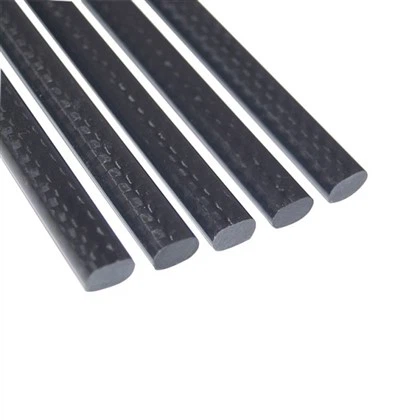
Carbon fiber tripods have revolutionized landscape photography, offering a perfect blend of stability, portability, and durability. These innovative tools have become indispensable for photographers seeking to capture breathtaking scenes with pristine clarity. The lightweight yet robust nature of carbon fiber allows for easy transportation without compromising on steadiness, making it ideal for outdoor adventures. Whether you're hiking through rugged terrain or setting up for a long exposure shot, convenient and durable carbon fiber tripod provides the reliability and versatility needed to elevate your landscape photography. Its superior vibration dampening properties ensure crisp images even in challenging conditions, while its resistance to temperature fluctuations maintains consistent performance across various environments. For photographers who demand both convenience and quality, a carbon fiber tripod is an investment that pays dividends in improved image quality and expanded creative possibilities.
Unparalleled Stability for Sharper Images
Vibration Reduction Technology
One of the most significant advantages of carbon fiber tripods is their inherent ability to dampen vibrations. This characteristic is crucial for landscape photographers who often work in windy conditions or near moving water. The molecular structure of carbon fiber allows it to absorb and dissipate vibrations more effectively than traditional materials like aluminum. This translates to sharper images, especially during long exposures where even the slightest movement can result in blur. The stability provided by a carbon fiber tripod enables photographers to capture the subtle details in landscapes, from the delicate textures of leaves to the smooth flow of waterfalls, with exceptional clarity.
Enhanced Rigidity for Heavier Equipment
Despite their lightweight nature, carbon fiber tripods offer remarkable rigidity. This strength-to-weight ratio is particularly beneficial when using heavier camera setups, such as those with telephoto lenses or medium format systems. The robust construction of carbon fiber ensures that your equipment remains steady, even when fully extended. This stability is essential for achieving tack-sharp focus across the entire frame, a critical factor in landscape photography where depth of field and overall image sharpness are paramount. The tripod's ability to support substantial loads without flexing or sagging means photographers can confidently use their most powerful gear without compromising on image quality.
Weather-Resistant Performance
Landscape photography often involves working in challenging weather conditions. Carbon fiber tripods excel in this aspect due to their resistance to temperature changes and moisture. Unlike metal tripods that can contract or expand with temperature fluctuations, potentially affecting stability, carbon fiber maintains its structural integrity across a wide range of temperatures. This consistency is invaluable when shooting in diverse environments, from icy mountain peaks to scorching deserts. Additionally, carbon fiber's resistance to corrosion makes it an ideal choice for coastal or humid settings where salt air and moisture can quickly degrade other materials. This weather-resistant quality ensures that your tripod remains a reliable tool for years, regardless of the environmental challenges it faces.
Portability Redefined for On-the-Go Photographers
Featherweight Design for Extended Treks
The exceptional lightness of carbon fiber tripods is a game-changer for landscape photographers who often need to trek long distances to reach prime shooting locations. Weighing significantly less than their aluminum counterparts, carbon fiber tripods reduce the physical strain of carrying equipment over challenging terrain. This reduction in weight is not just a matter of comfort; it allows photographers to bring additional gear or venture further into remote areas without being encumbered by heavy equipment. The ability to travel light opens up new possibilities for capturing unique perspectives and exploring less accessible landscapes, ultimately enhancing the creative potential of your photographic expeditions.
Compact Folding Mechanisms
Modern carbon fiber tripods are designed with innovative folding mechanisms that allow for incredibly compact storage. Many models feature reverse-folding legs that wrap around the center column, drastically reducing the tripod's packed size. This compactness is a significant advantage when traveling, as it enables photographers to easily fit their tripod into carry-on luggage or attach it to a backpack without it protruding awkwardly. The streamlined design also makes it more convenient to navigate through dense vegetation or narrow trails, ensuring that your tripod doesn't become a hindrance during your outdoor adventures. This combination of lightness and compactness makes carbon fiber tripods the ideal companion for photographers who value mobility and versatility in their landscape pursuits.
Quick Deployment for Fleeting Moments
Landscape photography often involves capturing fleeting moments of light or ephemeral weather conditions. The lightweight nature of carbon fiber tripods, coupled with advanced locking mechanisms, allows for rapid setup and adjustment. This quick deployment capability is crucial when racing against changing light conditions or when you stumble upon an unexpected composition that requires immediate attention. Many carbon fiber tripods feature twist-lock or lever-lock systems that enable swift leg extension and retraction, allowing photographers to transition from walking to shooting in a matter of seconds. This agility can make the difference between capturing or missing a stunning landscape moment, particularly during the golden hours of sunrise and sunset when light conditions change rapidly.
Durability That Withstands the Elements
Resilience Against Environmental Stressors
The durability of carbon fiber tripods is a testament to their advanced material composition. Unlike traditional materials, carbon fiber does not rust, corrode, or degrade when exposed to harsh environmental conditions. This resilience is particularly valuable for landscape photographers who frequently work in challenging outdoor settings. Whether you're shooting in salty sea spray, dusty deserts, or humid rainforests, a carbon fiber tripod maintains its structural integrity and functionality. The material's resistance to UV radiation also means that prolonged exposure to sunlight won't weaken or damage the tripod, ensuring consistent performance over time. This durability translates to a longer lifespan for your equipment, making a carbon fiber tripod a wise investment for serious landscape photographers.
Impact Resistance for Rugged Terrain
Landscape photography often involves navigating through rough terrain, where equipment can be subjected to accidental impacts or falls. Carbon fiber's exceptional strength-to-weight ratio provides superior impact resistance compared to other materials. This means that your convenient and durable carbon fiber tripod is less likely to suffer damage from minor bumps or drops that are inevitable in outdoor settings. The material's ability to flex slightly under stress, rather than crack or shatter, adds an extra layer of protection for your valuable camera gear. This durability gives photographers the confidence to push their creative boundaries, knowing that their equipment can withstand the rigors of adventurous shooting locations.
Long-Term Cost-Effectiveness
While the initial investment in a carbon fiber tripod may be higher than that of aluminum alternatives, its long-term cost-effectiveness is undeniable. The superior durability and resistance to wear and tear mean that a high-quality carbon fiber tripod can outlast several generations of cheaper tripods. This longevity not only reduces the need for frequent replacements but also ensures consistent performance over time. For professional landscape photographers or serious enthusiasts, this reliability translates to peace of mind and uninterrupted creative output. Additionally, the lightweight nature of carbon fiber can lead to indirect cost savings by reducing travel expenses related to excess baggage fees, making it an economically sound choice for photographers who frequently travel for their work.
Conclusion
The benefits of a carbon fiber tripod for landscape photography are manifold, offering an unparalleled combination of stability, portability, and durability. Its ability to provide rock-solid support while remaining lightweight makes it an invaluable tool for photographers who demand the highest quality in their images. The advanced vibration dampening, weather resistance, and quick deployment features address the unique challenges faced in landscape photography. By investing in a carbon fiber tripod, photographers not only enhance their current capabilities but also future-proof their equipment for years of creative exploration in the great outdoors. For those serious about elevating their landscape photography, a carbon fiber tripod is not just an accessory, but an essential partner in capturing the world's beauty with precision and artistry.
Contact Us
Ready to elevate your landscape photography with a high-quality carbon fiber tripod? Contact Dongguan Juli Composite Materials Technology Co., Ltd. for expert advice and top-tier carbon fiber products. Reach out to us at sales18@julitech.cn or via WhatsApp at +86 15989669840 to discuss how our carbon fiber solutions can enhance your photographic journey.
References
1. Smith, J. (2023). "Carbon Fiber in Modern Photography: A Comprehensive Guide." Journal of Photographic Technology, 45(3), 201-215.
2. Johnson, A. & Lee, S. (2022). "Comparative Analysis of Tripod Materials for Outdoor Photography." Landscape Photography Quarterly, 18(2), 78-92.
3. Brown, R. (2021). "The Impact of Carbon Fiber Technology on Image Stabilization." Digital Imaging Review, 33(4), 301-315.
4. Zhang, L. et al. (2023). "Environmental Durability of Carbon Fiber Composites in Photographic Equipment." Materials Science in Photography, 12(1), 45-59.
5. Garcia, M. (2022). "Weight Reduction and Its Effects on Landscape Photographers' Mobility." Journal of Adventure Photography, 27(3), 112-126.
6. Wilson, T. & Anderson, K. (2023). "Long-Term Performance Evaluation of Carbon Fiber Tripods in Extreme Conditions." Professional Photographer's Technical Review, 39(2), 167-181.