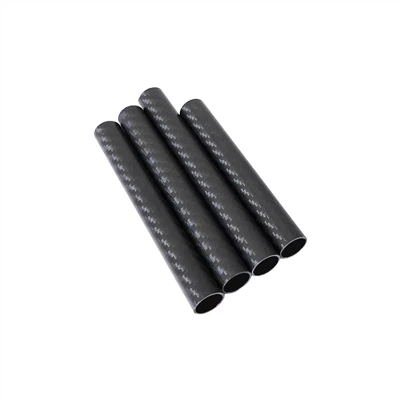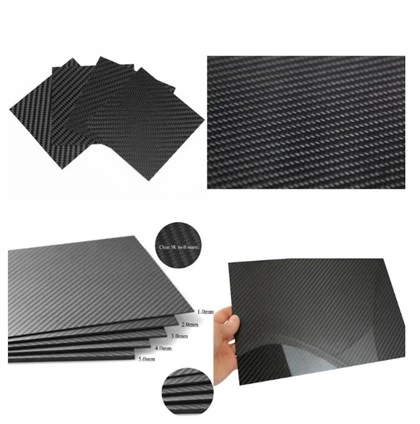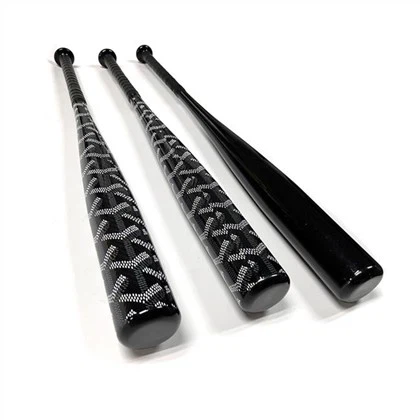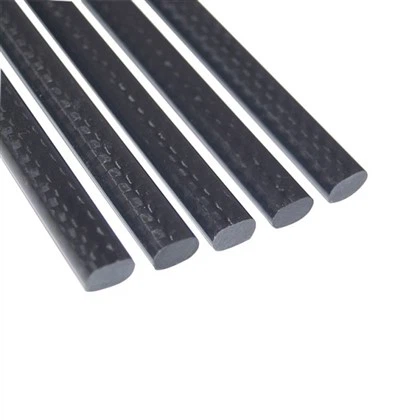
Carbon fiber hexagonal tubes can indeed be cut and shaped, but these processes require specialized techniques and equipment due to the unique properties of carbon fiber composites. The cutting and shaping of glossy or matte carbon fiber hexagonal tubes demand precision and care to maintain the material's structural integrity and avoid delamination or fraying. Various methods such as waterjet cutting, diamond-tipped tools, and CNC machining can be employed to modify these high-performance components. However, it's crucial to note that any alteration to carbon fiber hexagonal tubes should be performed by experienced professionals to ensure the preservation of the material's exceptional strength-to-weight ratio and other desirable characteristics. When considering modifications to carbon fiber hexagonal tubes, consulting with experts in composite materials is advisable to determine the most suitable approach for your specific application.
Understanding Carbon Fiber Hexagonal Tubes
Composition and Properties
Carbon fiber hexagonal tubes are advanced composite structures that combine the strength of carbon fibers with the lightweight nature of polymer matrices. These tubes are crafted through a meticulous manufacturing process that aligns carbon fibers in specific orientations to achieve optimal mechanical properties. The result is a hexagonal profile that offers superior strength-to-weight ratio, excellent stiffness, and remarkable resistance to fatigue and corrosion.
The unique properties of carbon fiber hexagonal tubes stem from the intricate arrangement of carbon fibers within the resin matrix. This configuration allows for exceptional load-bearing capacity in multiple directions, making these tubes ideal for applications where weight reduction and structural integrity are paramount. The hexagonal shape itself contributes to the tube's ability to distribute forces evenly, enhancing its overall performance in various engineering scenarios.
Applications in Industry
The versatility of carbon fiber hexagonal tubes has led to their widespread adoption across numerous industries. In aerospace, these components are utilized in aircraft structures, satellite systems, and unmanned aerial vehicles, where their low weight and high strength are crucial. The automotive sector incorporates carbon fiber hexagonal tubes in racing cars, high-performance vehicles, and increasingly in consumer automobiles to improve fuel efficiency and safety.
Beyond transportation, carbon fiber hexagonal tubes find applications in robotics, where their rigidity and lightweight nature enable precise movements and reduced energy consumption. The sporting goods industry has also embraced these advanced materials, incorporating them into bicycle frames, golf club shafts, and other high-performance equipment. As industries continue to seek ways to optimize their products, the demand for carbon fiber hexagonal tubes, including both glossy and matte finishes, is expected to grow.
Manufacturing Processes
The production of carbon fiber hexagonal tubes involves sophisticated manufacturing techniques that ensure consistent quality and performance. Pultrusion is a common method used to create these tubes, where continuous carbon fibers are pulled through a resin bath and then through a heated die that shapes the material into a hexagonal profile. This process allows for the creation of long, uniform tubes with excellent structural properties.
Another method is filament winding, where carbon fibers are precisely wound around a mandrel in a hexagonal shape, then impregnated with resin and cured. This technique offers flexibility in fiber orientation, allowing manufacturers to tailor the tube's properties for specific applications. Advanced molding processes can also be employed to produce carbon fiber hexagonal tubes with complex geometries or integrated features.
The final step in manufacturing often involves surface treatment to achieve either a glossy or matte finish, depending on the intended application and aesthetic requirements. These glossy/matte treatments not only affect the appearance but can also influence the tube's environmental resistance and bonding capabilities.
Cutting and Shaping Techniques for Carbon Fiber Hexagonal Tubes
Waterjet Cutting
Waterjet cutting stands out as a preferred method for modifying carbon fiber hexagonal tubes. This technique utilizes a high-pressure stream of water, often mixed with abrasive particles, to slice through the material with precision. The key advantage of waterjet cutting lies in its ability to cut without generating heat, thereby avoiding thermal stress and potential delamination of the carbon fiber layers.
When applying waterjet cutting to carbon fiber hexagonal tubes, operators must carefully control the water pressure and cutting speed to achieve clean edges without fraying. The process is particularly effective for creating intricate shapes or patterns within the tube structure, offering versatility in design modifications. Moreover, waterjet cutting can be programmed for repeatability, ensuring consistency across multiple cuts-a crucial factor in industrial applications.
Diamond-Tipped Tools
Diamond-tipped cutting tools represent another specialized approach to shaping carbon fiber hexagonal tubes. These tools leverage the extreme hardness of diamond to effectively cut through the tough carbon fibers without excessive wear on the cutting edge. Circular saws, end mills, and drill bits equipped with diamond tips or coatings can perform various operations, from simple length adjustments to complex profiling.
The use of diamond-tipped tools requires precise control of cutting speed and feed rate to prevent heat buildup and ensure a clean cut. When employed correctly, these tools can produce smooth edges and accurate dimensions, vital for applications where the carbon fiber hexagonal tube must interface with other components. The durability of diamond-tipped tools also makes them cost-effective for large-scale production environments where frequent tool changes would be impractical.
CNC Machining
Computer Numerical Control (CNC) machining offers a high degree of precision and repeatability in shaping carbon fiber hexagonal tubes. This method involves using computer-controlled cutting tools to remove material from the tube according to a pre-programmed design. CNC machining is particularly advantageous for creating complex geometries, such as angled cuts, slots, or holes, which might be challenging to achieve with other methods.
When applying CNC machining to carbon fiber hexagonal tubes, it's crucial to use specialized cutting tools and optimized machining parameters. The process often involves multi-axis machining centers that can approach the workpiece from various angles, enabling the creation of sophisticated shapes while maintaining structural integrity. CNC machining also allows for the integration of quality control measures, ensuring that each machined tube meets exact specifications - a critical factor in industries like aerospace where tolerances are extremely tight.
Considerations for Modifying Carbon Fiber Hexagonal Tubes
Structural Integrity
Maintaining the structural integrity of carbon fiber hexagonal tubes during modification is paramount. Any cutting or shaping process has the potential to alter the tube's load-bearing capabilities and overall performance. It's essential to consider how changes in geometry might affect stress distribution throughout the structure. For instance, creating holes or notches in critical areas could introduce stress concentrations that significantly reduce the tube's strength.
To preserve structural integrity, engineers must carefully analyze the intended modifications using finite element analysis (FEA) and other computational tools. These analyses can predict how alterations will impact the tube's behavior under various loading conditions. Additionally, reinforcement techniques such as local thickening or the application of additional carbon fiber layers around modified areas may be necessary to compensate for any loss in strength or stiffness.
Surface Finish and Aesthetics
The surface finish of carbon fiber hexagonal tubes plays a crucial role in both functionality and aesthetics. Glossy or matte carbon fiber hexagon tubes each have their unique appeal and practical applications. A glossy finish can enhance the visual appeal of the tube, making it suitable for visible components in high-end products. It also provides a smooth surface that can improve aerodynamic properties in certain applications.
Conversely, a matte finish offers a more subdued appearance that may be preferred in less conspicuous applications or where glare reduction is important. The choice between glossy and matte finishes can also affect the tube's ability to bond with other materials or components. When modifying carbon fiber hexagonal tubes, care must be taken to maintain or restore the desired surface finish, which may involve additional post-processing steps such as polishing or application of clear coats.
Customization and Sizing
The ability to customize carbon fiber hexagonal tubes to specific dimensions is a significant advantage in many engineering projects. Customized sizing allows for precise fitment in complex assemblies and optimized performance for particular applications. When approaching customization, it's crucial to consider not only the desired final dimensions but also the manufacturing tolerances and potential for slight variations in the cutting or shaping process.
Achieving customized sizes often requires a combination of cutting techniques and potential additional fabrication steps. For instance, creating a carbon fiber hexagonal tube with a specific length and end profile might involve initial cutting to rough dimensions followed by precision machining to achieve final tolerances. In some cases, custom mandrels or molds may be necessary to produce tubes with unique cross-sectional dimensions or tapered profiles. The customization process should always be balanced against the need to maintain the tube's structural properties and surface finish quality.
Conclusion
Carbon fiber hexagonal tubes represent a pinnacle of advanced materials engineering, offering exceptional strength-to-weight ratios and versatility across numerous industries. While these components can indeed be cut and shaped, the processes require specialized knowledge, tools, and techniques to ensure the preservation of their remarkable properties. From waterjet cutting to CNC machining, each method of modification presents unique advantages and considerations. As technology advances, the ability to customized size and refine carbon fiber hexagonal tubes continues to expand, opening new possibilities for innovation in product design and engineering solutions. Whether opting for a glossy or matte finish, or requiring precise customization, the key lies in partnering with experienced professionals who understand the intricacies of working with these sophisticated materials.
Contact Us
For more information about our carbon fiber hexagonal tubes and customization options, please don't hesitate to reach out. Contact us at sales18@julitech.cn or via WhatsApp at +86 15989669840. Our team of experts is ready to assist you in finding the perfect carbon fiber solution for your project needs.
References
1. Mallick, P. K. Fiber-Reinforced Composites: Materials, Manufacturing, and Design. CRC Press, 2007.
2. Strong, A. B. Fundamentals of Composites Manufacturing: Materials, Methods, and Applications. Society of Manufacturing Engineers, 2008.
3. Callister, W. D., & Rethwisch, D. G. Materials Science and Engineering: An Introduction. Wiley, 2020.
4. Chung, D. D. L. Carbon Fiber Composites. Butterworth-Heinemann, 1994.
5. ASM International Handbook Committee. ASM Handbook, Volume 21: Composites. ASM International, 2001.
6. Hollaway, L. C. Advanced Polymer Composites and Polymers in the Civil Infrastructure. Woodhead Publishing, 2001.