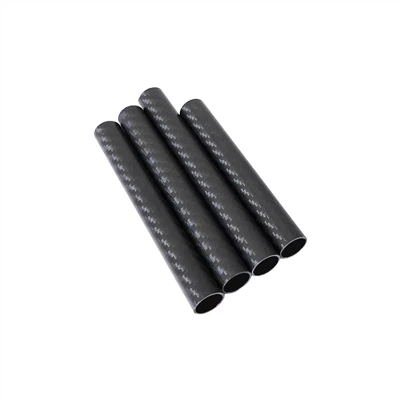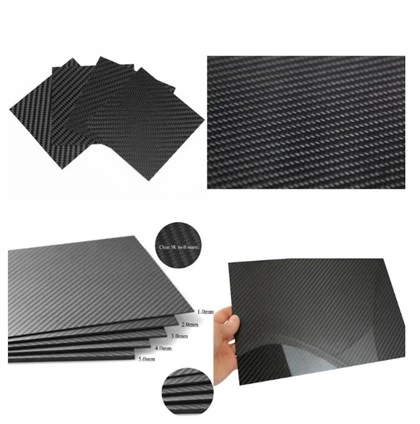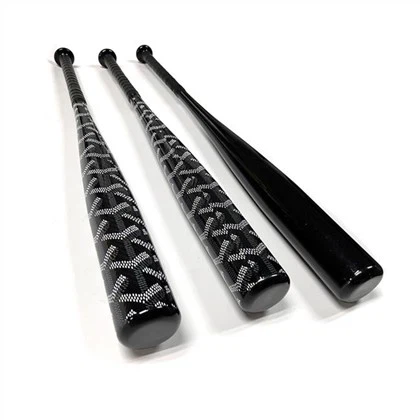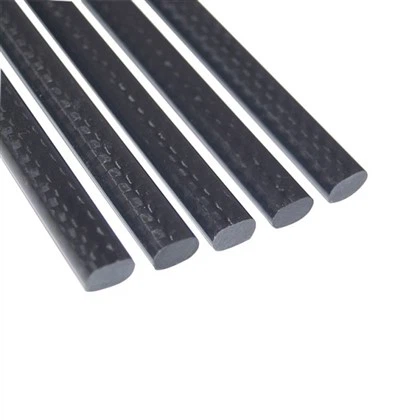
When considering materials for demanding applications, one question often arises: Are carbon fiber panels resistant to moisture and chemicals? The answer is a resounding yes. Custom carbon fiber panels, especially those crafted with precision by industry leaders like Dongguan Juli Composite Materials Technology Co., Ltd., exhibit exceptional resistance to both moisture and harsh chemical environments. This resilience stems from the inherent properties of carbon fiber and the advanced manufacturing processes, such as pultrusion and autoclave techniques, which enhance their ability to withstand corrosion, degradation, and other environmental challenges. Let's dive deeper into why these panels are a top choice for industries worldwide.
Unveiling the Resilience of Carbon Fiber Panels
The Science Behind Moisture Resistance
Carbon fiber panels are renowned for their ability to repel moisture, making them a preferred material in industries where exposure to water or humidity is inevitable. Unlike metals, which are prone to rust, or wood, which can swell and rot, carbon fiber maintains its structural integrity even in damp conditions. This is largely due to the non-porous nature of the material, which prevents water absorption. Additionally, the epoxy resins used in high-quality panels create a protective barrier, further enhancing their impermeability. For applications such as marine vessels, outdoor infrastructure, or even aerospace components, this moisture resistance translates into longevity and reliability.
Chemical Resistance: A Closer Look
Beyond moisture, custom carbon fiber panels excel in environments where exposure to chemicals is a concern. Acids, alkalis, solvents, and other corrosive substances often wreak havoc on traditional materials, but carbon fiber remains largely unaffected. This resistance is attributed to the inert nature of carbon fiber and the robust matrix systems used during manufacturing. For example, panels produced through advanced molding processes are engineered to withstand harsh chemical interactions, making them ideal for use in chemical processing plants, laboratories, and industrial settings. This durability ensures that the panels maintain their strength and appearance over time, even under aggressive conditions.
Real-World Applications Highlighting Resilience
The practical applications of carbon fiber panels underscore their impressive resistance to moisture and chemicals. Consider the automotive sector, where custom carbon fiber panels are used in high-performance vehicles exposed to road salts, oils, and other corrosive agents. Similarly, in the marine industry, these panels are integral to yachts and ships, enduring constant exposure to saltwater without degrading. The aerospace industry also relies on their chemical stability for components exposed to de-icing fluids and hydraulic oils. These examples illustrate how the material's resilience translates into tangible benefits across diverse sectors, cementing its reputation as a high-performance solution.
Why Carbon Fiber Panels Outperform Traditional Materials?
Lightweight Strength: A Game-Changer
One of the standout attributes of carbon fiber panels is their unparalleled strength-to-weight ratio. While traditional materials like steel or aluminum offer robustness, they often come with the drawback of added heft. In contrast, carbon fiber panels deliver exceptional strength while remaining remarkably lightweight. This characteristic is particularly advantageous in industries where reducing mass is critical, such as aerospace, automotive, and sports equipment manufacturing. By opting for these panels, engineers can achieve structural integrity without compromising on efficiency, leading to innovations like fuel-efficient aircraft and agile racing cars. The lightweight nature of carbon fiber thus opens up a realm of possibilities for design and performance.
Durability Under Extreme Conditions
The durability of carbon fiber panels extends beyond their resistance to moisture and chemicals. These panels are engineered to endure a wide range of environmental stressors, from extreme temperatures to UV radiation. Unlike metals, which can fatigue over time, or plastics, which may become brittle, carbon fiber maintains its mechanical properties under duress. This steadfastness is a result of the material's molecular structure, which is both rigid and resilient. For industries requiring materials that can withstand prolonged exposure to harsh conditions, such as renewable energy or construction, carbon fiber panels offer a reliable solution that minimizes maintenance and replacement costs.
Comparing Costs and Longevity
While the initial investment in carbon fiber panels may be higher than that of traditional materials, their longevity and low maintenance requirements often result in significant cost savings over time. For instance, steel components in corrosive environments may require frequent repairs or protective coatings, driving up operational expenses. In contrast, the inherent durability of carbon fiber panels reduces the need for such interventions, making them a cost-effective choice in the long run. This economic advantage, combined with their lightweight and high-performance attributes, positions carbon fiber as a material of choice for forward-thinking industries aiming to optimize both performance and budget.
Customizing Carbon Fiber Panels for Optimal Performance
Tailoring Panels to Specific Needs
One of the most compelling advantages of carbon fiber panels is their adaptability. Manufacturers like Dongguan Juli Composite Materials Technology Co., Ltd. specialize in creating custom carbon fiber panels tailored to meet the unique demands of various applications. Whether it's adjusting the thickness, weave pattern, or resin type, customization ensures that the panels deliver optimal performance in their intended environment. For example, panels designed for chemical storage tanks may prioritize enhanced chemical resistance, while those for aerospace applications might focus on minimizing weight. This bespoke approach allows industries to harness the full potential of carbon fiber, addressing specific challenges with precision-engineered solutions.
Advanced Manufacturing Techniques
The exceptional qualities of carbon fiber panels are not solely due to the material itself but also the sophisticated manufacturing processes employed. Techniques such as pultrusion, molding, autoclave curing, and filament winding play a pivotal role in enhancing the panels' properties. Pultrusion, for instance, ensures uniformity and strength, while autoclave curing maximizes the material's resistance to environmental factors. These advanced methods allow manufacturers to produce panels that are not only lightweight and durable but also consistent in quality. By leveraging cutting-edge technology, companies can push the boundaries of what carbon fiber can achieve, driving innovation across industries.
The Role of Innovation in Product Development
Innovation is at the heart of carbon fiber panel manufacturing, with companies continually exploring new ways to enhance their products. Interdisciplinary collaboration, such as combining materials science with engineering, leads to breakthroughs in panel performance. For instance, the development of hybrid composites, which integrate carbon fiber with other materials, can further improve resistance to moisture and chemicals. Additionally, advancements in resin technology have resulted in matrices that offer superior protection against environmental degradation. This commitment to research and development ensures that carbon fiber panels remain at the forefront of material technology, meeting the evolving needs of global industries.
Conclusion
Carbon fiber panels stand out as a premier choice for applications requiring resistance to moisture and chemicals, thanks to their inherent properties and advanced manufacturing techniques. Their lightweight nature, coupled with unmatched durability, makes them a high-performance solution across diverse sectors. By opting for custom carbon fiber panels, industries can benefit from tailored solutions that enhance efficiency and longevity, ultimately reducing costs and environmental impact. Dongguan Juli Composite Materials Technology Co., Ltd. leads the way in delivering these innovative materials, setting the standard for excellence in the industry.
Contact Us
Ready to explore how carbon fiber panels can elevate your projects? Contact Dongguan Juli Composite Materials Technology Co., Ltd. today at sales18@julitech.cn or reach out via WhatsApp at +86 15989669840. Let's bring your vision to life with cutting-edge solutions.
References
1. Gibson, R. F. (2016). Principles of Composite Material Mechanics. CRC Press.
2. Chung, D. D. L. (2010). Composite Materials: Science and Applications. Springer.
3. Soutis, C. (2005). Carbon Fiber Reinforced Plastics in Aircraft Construction. Materials Science and Engineering: A.
4. Harris, B. (1999). Engineering Composite Materials. The Institute of Materials.
5. Mallick, P. K. (2007). Fiber-Reinforced Composites: Materials, Manufacturing, and Design. CRC Press.
6. Strong, A. B. (2008). Fundamentals of Composites Manufacturing: Materials, Methods, and Applications. Society of Manufacturing Engineers.