When it comes to choosing between carbon fiber flat bars and aluminum flat bars, the answer isn't always straightforward - it hinges on your specific needs. Carbon fiber flat bars shine with their unparalleled high strength-to-weight ratio, making them ideal for applications where reducing heft without sacrificing durability is paramount, such as in aerospace or high-performance sports equipment. Aluminum, on the other hand, offers a cost-effective solution with commendable robustness and corrosion resistance, often favored in construction and automotive industries. For projects demanding lightweight excellence and versatile applications, carbon fiber often edges out. However, aluminum remains a stalwart for budget-conscious or less weight-sensitive endeavors.
Unpacking the Core Characteristics of Carbon Fiber and Aluminum Flat Bars
Material Composition and Manufacturing Techniques
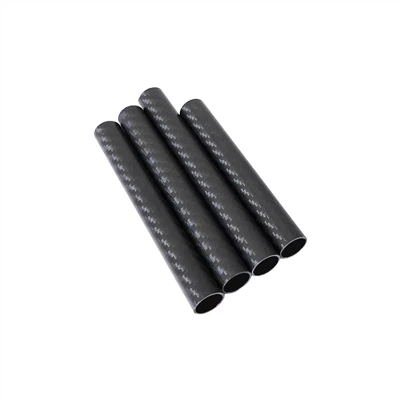
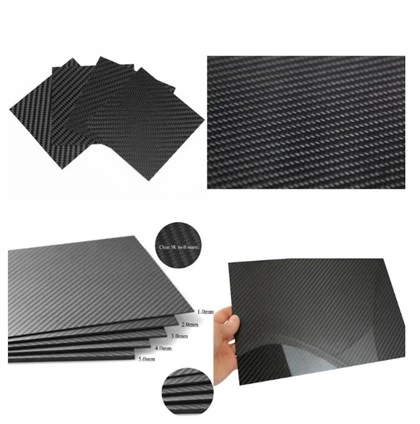
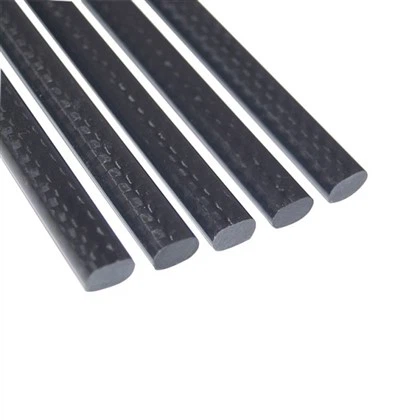
Carbon fiber flat bars are crafted from a composite of carbon filaments embedded in a resin matrix, often produced through sophisticated methods like pultrusion or autoclave curing. These processes ensure the fibers align in a way that maximizes tensile strength while minimizing mass. Dongguan Juli Composite Materials Technology Co., Ltd., a trailblazer in this domain, leverages cutting-edge techniques to produce carbon fiber products that push the boundaries of innovation. Aluminum flat bars, conversely, are derived from a single metal alloy, typically extruded or rolled into shape. This simpler production method contributes to aluminum's affordability and widespread availability, though it lacks the intricate fiber alignment that gives carbon fiber its edge.
Strength and Weight Dynamics
One of the most compelling attributes of carbon fiber flat bars is their high strength-to-weight ratio. This means they deliver exceptional sturdiness while remaining remarkably lightweight - a critical advantage in industries where every gram counts, such as aeronautics or competitive cycling. Aluminum, while robust, is denser, resulting in a heavier profile. Though aluminum's strength is admirable, it doesn't match the featherweight resilience of carbon fiber. This disparity often makes carbon fiber the preferred choice for applications prioritizing minimal mass, whereas aluminum excels in scenarios where weight is less of a concern but durability remains essential.
Durability and Environmental Resistance
Durability is another battleground where these materials diverge. Carbon fiber flat bars boast impressive resistance to corrosion, thanks to their non-metallic composition, making them ideal for harsh environments like marine settings. However, they can be susceptible to impact damage if not properly engineered. Aluminum, while naturally corrosion-resistant due to its oxide layer, may still succumb to galvanic corrosion in certain conditions, especially when in contact with dissimilar metals. Both materials offer longevity, but the choice often boils down to the specific environmental challenges your project faces, with carbon fiber excelling in corrosive climates and aluminum holding its own in more mechanically demanding contexts.
Exploring the Versatile Applications of Carbon Fiber and Aluminum Flat Bars
Aerospace and High-Performance Engineering
In the realm of aerospace, carbon fiber flat bars reign supreme due to their high strength-to-weight ratio. Aircraft components, drones, and even spacecraft benefit from the reduced mass, which translates to enhanced fuel efficiency and payload capacity. The ability to tailor carbon fiber's properties through precise manufacturing techniques, such as those employed by Dongguan Juli Composite Materials Technology Co., Ltd., allows engineers to innovate relentlessly. Aluminum, while still used in aerospace for structural elements, often plays a supporting role where cost or ease of fabrication outweighs the need for minimal weight, such as in less critical airframe sections.
Automotive and Transportation Innovations
The automotive sector showcases the versatile applications of both materials. Carbon fiber flat bars are increasingly integrated into high-end vehicles, particularly in chassis components and body panels, where their lightweight nature boosts performance and efficiency. Electric vehicles, in particular, benefit from this, as reduced weight extends battery range. Aluminum, however, remains a staple in mass-produced vehicles, offering a balance of strength, cost, and recyclability. Its use in engine blocks, frames, and suspension systems underscores its reliability, though it doesn't match carbon fiber's prowess in weight-sensitive, high-performance contexts.
Construction and Industrial Uses
In construction, aluminum flat bars often take the lead due to their affordability and ease of machining. They're commonly found in frameworks, supports, and facades, where their corrosion resistance and decent strength suffice. Carbon fiber flat bars, while less common in traditional construction, are gaining traction in specialized projects, such as retrofitting bridges or creating lightweight, durable scaffolding. Their high cost can be a barrier, but in scenarios demanding exceptional strength without added bulk - such as seismic reinforcements - carbon fiber's versatile applications shine, offering solutions that aluminum struggles to match.
Cost, Sustainability, and Practical Considerations
Financial Implications and Budget Constraints
Cost is a pivotal factor in the carbon fiber versus aluminum debate. Carbon fiber flat bars, due to their complex manufacturing processes and raw material expenses, command a premium price. This makes them less viable for projects with tight budgets, despite their superior high strength-to-weight ratio. Aluminum, by contrast, is far more economical, both in terms of raw material costs and production simplicity. This affordability makes aluminum the go-to choice for large-scale or cost-sensitive applications, while carbon fiber is reserved for scenarios where performance justifies the investment, such as in cutting-edge engineering or luxury products.
Environmental Impact and Lifecycle Analysis
Sustainability is an increasingly critical consideration. Aluminum is highly recyclable, with a well-established recycling infrastructure, making it a more environmentally friendly option in terms of end-of-life management. Carbon fiber, however, poses challenges - its production is energy-intensive, and recycling options are limited, though innovations are underway. Dongguan Juli Composite Materials Technology Co., Ltd. is at the forefront of exploring sustainable practices, such as developing recyclable composites, but the industry as a whole still lags behind aluminum in this regard. Choosing between the two often involves weighing immediate performance needs against long-term environmental goals.
Practicality in Fabrication and Maintenance
Fabrication and maintenance also influence material selection. Aluminum flat bars are straightforward to cut, weld, and shape, making them a favorite among fabricators. Their maintenance is minimal, primarily requiring occasional checks for corrosion in harsh environments. Carbon fiber flat bars, while offering versatile applications, demand specialized tools and expertise for cutting and shaping, due to their composite nature. Maintenance is low, given their corrosion resistance, but repairs can be complex and costly if damage occurs. These practical considerations often tip the scales toward aluminum for simpler projects, while carbon fiber excels in precision-engineered, high-stakes applications.
Conclusion
Choosing between carbon fiber flat bars and aluminum flat bars boils down to your project's priorities. Carbon fiber excels with its high strength-to-weight ratio and versatile applications, ideal for cutting-edge, weight-sensitive uses, while aluminum offers affordability and reliability for broader, cost-conscious projects. Both materials have their merits, but understanding their strengths ensures you make the right call for durability, performance, and budget.
Contact Us
Ready to explore how carbon fiber flat bars can elevate your next project? Contact Dongguan Juli Composite Materials Technology Co., Ltd. at sales18@julitech.cn or reach us on WhatsApp at +86 15989669840 for expert advice and premium solutions.
References
1. Ashby, M. F. (2011). Materials Selection in Mechanical Design. Butterworth-Heinemann.
2. Chung, D. D. L. (2010). Composite Materials: Science and Applications. Springer.
3. Gibson, R. F. (2016). Principles of Composite Material Mechanics. CRC Press.
4. Callister, W. D., & Rethwisch, D. G. (2018). Materials Science and Engineering: An Introduction. Wiley.
5. Baker, A., Dutton, S., & Kelly, D. (2004). Composite Materials for Aircraft Structures. AIAA Education Series.
6. Strong, A. B. (2008). Fundamentals of Composites Manufacturing: Materials, Methods, and Applications. Society of Manufacturing Engineers.