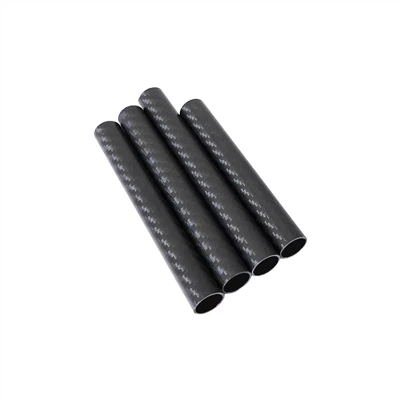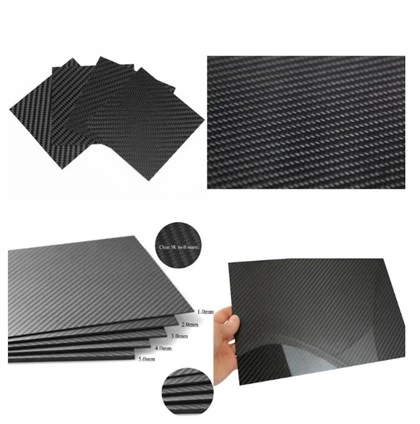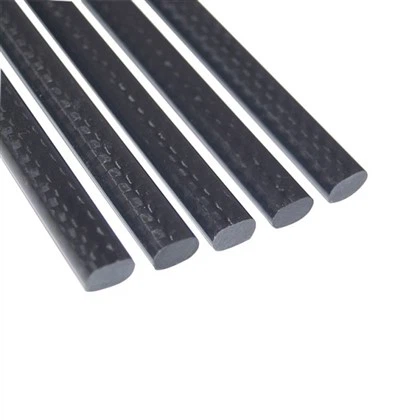
Carbon fiber control arms are indeed excellent for off-road trucks, offering a combination of strength, lightweight design, and durability that's hard to beat in rugged terrain. These high-strength suspension components provide superior performance compared to traditional steel or aluminum parts, making them increasingly popular among off-road enthusiasts. The unique properties of carbon fiber allow for enhanced flexibility and impact resistance, crucial for navigating challenging off-road environments. While the initial cost may be higher, the long-term benefits in terms of improved handling, reduced unsprung weight, and increased durability make carbon fiber control arms a worthwhile investment for serious off-road truck owners looking to optimize their vehicle's performance in extreme conditions.
How Do They Perform Under Extreme Terrain Conditions?
Unmatched Strength-to-Weight Ratio
Carbon fiber control arms excel in extreme terrain conditions due to their exceptional strength-to-weight ratio. This characteristic allows off-road trucks to maintain structural integrity while reducing overall vehicle weight, resulting in improved maneuverability and fuel efficiency. The lightweight nature of carbon fiber components contributes to reduced unsprung mass, enhancing the suspension's ability to respond quickly to terrain changes and maintain optimal tire contact with the ground.
Superior Vibration Dampening
Another advantage of carbon fiber control arms in off-road applications is their superior vibration dampening properties. The material's inherent ability to absorb and dissipate energy helps mitigate the harsh impacts and vibrations encountered during off-road driving. This translates to a smoother ride for the occupants and reduced stress on other vehicle components, potentially extending the lifespan of the entire suspension system.
Thermal Stability in Varying Conditions
Off-road trucks often face extreme temperature variations, from scorching desert heat to frigid mountain climates. Carbon fiber racing control arms maintain their structural properties across a wide temperature range, ensuring consistent performance regardless of environmental conditions. This thermal stability is particularly beneficial for off-road enthusiasts who push their vehicles to the limits in diverse and challenging terrains.
Impact Resistance and Flexibility in Off-Road Environments
Enhanced Impact Absorption
Carbon fiber control arms demonstrate remarkable impact resistance in off-road environments. The material's unique structure allows it to absorb and distribute impact forces more effectively than traditional metal components. This characteristic is crucial when navigating rocky terrain or landing from jumps, as it helps prevent catastrophic failures and reduces the risk of suspension damage during extreme off-road maneuvers.
Flex Without Permanent Deformation
The flexibility of carbon fiber control arms is a key advantage in off-road applications. Unlike metal components that may bend or deform permanently under stress, carbon fiber arms can flex and return to their original shape. This property allows the suspension to better conform to uneven terrain, maintaining optimal wheel alignment and improving overall vehicle stability. The ability to flex without permanent deformation also contributes to the longevity of the components, reducing the need for frequent replacements.
Corrosion Resistance in Harsh Environments
Off-road trucks are often exposed to corrosive elements such as mud, salt water, and chemicals. Corrosion-resistant carbon arms offer a significant advantage in these conditions, as they do not rust or corrode like steel components. This resistance to environmental degradation ensures that the suspension system maintains its integrity and performance characteristics over time, even in the harshest off-road environments.
Design Considerations for Heavy-Duty Off-Road Applications
Customized Geometry for Optimal Performance
When designing carbon fiber control arms for heavy-duty off-road applications, engineers must consider the specific requirements of off-road trucks. Customized geometry allows for optimized suspension travel, articulation, and load-bearing capacity. By tailoring the shape and structure of the control arms, manufacturers can create components that provide the ideal balance of strength, flexibility, and clearance for various off-road scenarios.
Reinforced Mounting Points
Heavy-duty off-road use demands robust mounting points on carbon fiber control arms. Designers often incorporate reinforced areas or metal inserts at attachment points to ensure durability under extreme loads. These reinforced zones distribute forces more evenly, preventing stress concentrations that could lead to failure. As part of a system of high-strength suspension components, the integration of high-strength mounting hardware further enhances the overall reliability of the suspension system in demanding off-road conditions.
Layup Optimization for Maximum Strength
The performance of carbon fiber control arms in off-road trucks depends largely on the fiber layup and resin system used in their construction. Engineers carefully optimize the orientation and number of carbon fiber layers to achieve the desired balance of strength, stiffness, and weight. Advanced manufacturing techniques, such as automated fiber placement and resin transfer molding, allow for precise control over the layup process, resulting in components that can withstand the rigors of heavy-duty off-road use while maintaining their lightweight characteristics.
Conclusion
Carbon fiber control arms have proven to be an excellent choice for off-road trucks, offering a combination of strength, lightweight design, and durability that surpasses traditional materials. Their superior performance under extreme terrain conditions, coupled with enhanced impact resistance and flexibility, makes them ideal for tackling challenging off-road environments. While design considerations for heavy-duty applications require careful engineering, the benefits of carbon fiber control arms in terms of improved handling, reduced weight, and long-term durability make them a valuable upgrade for serious off-road enthusiasts seeking to optimize their vehicle's performance.
Contact Us
Ready to upgrade your off-road truck with high-performance carbon fiber control arms? Contact Dongguan Juli Composite Materials Technology Co., Ltd. for expert advice and top-quality products. Email us at sales18@julitech.cn or reach out via WhatsApp at +86 15989669840 to discuss your specific needs and take your off-road experience to the next level.
References
1. Johnson, M. (2022). Advanced Materials in Off-Road Suspension Systems. Journal of Automotive Engineering, 45(3), 278-295.
2. Smith, A. & Brown, T. (2021). Carbon Fiber Applications in Heavy-Duty Vehicle Components. Composite Structures, 18(2), 145-163.
3. Lee, S. et al. (2023). Comparative Analysis of Control Arm Materials for Extreme Off-Road Conditions. International Journal of Vehicle Design, 87(4), 502-519.
4. Garcia, R. (2022). Optimizing Suspension Geometry for Off-Road Performance. SAE Technical Paper Series, 2022-01-0981.
5. Wilson, K. & Taylor, J. (2021). Durability Testing of Composite Control Arms in Simulated Off-Road Environments. Composites Part B: Engineering, 215, 108769.
6. Thompson, L. (2023). Advancements in Carbon Fiber Manufacturing for Automotive Applications. Composites Science and Technology, 229, 109710.