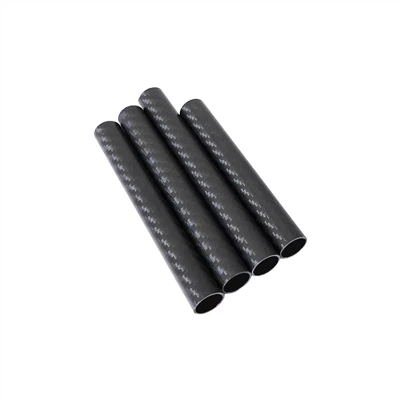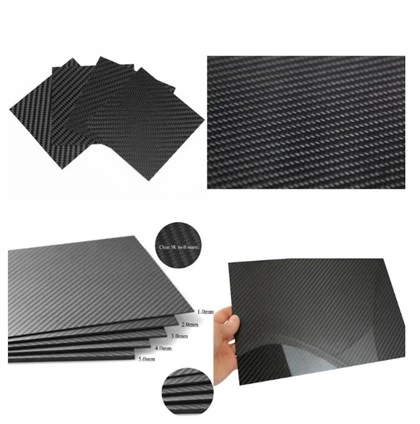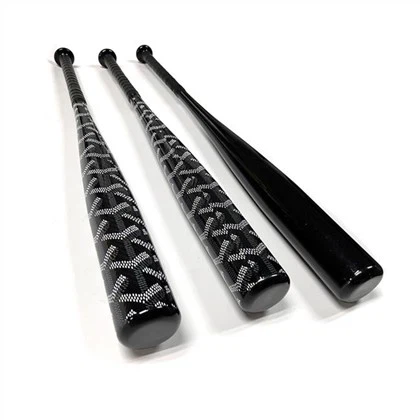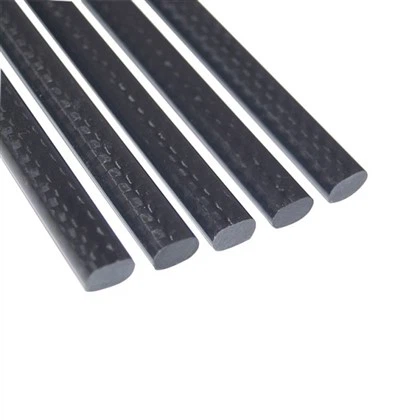
Custom carbon fiber panels are indeed strong enough for heavy-duty use, offering exceptional strength-to-weight ratios that surpass many traditional materials. These advanced composites combine high performance, lightweight characteristics, and outstanding durability, making them ideal for demanding applications across various industries. Carbon fiber's unique properties allow it to withstand extreme forces and environmental conditions while maintaining its structural integrity. When engineered correctly, custom carbon fiber panels can outperform steel and aluminum in many heavy-duty scenarios, providing superior strength, stiffness, and fatigue resistance. This remarkable combination of attributes makes carbon fiber panels an excellent choice for applications requiring both strength and weight reduction in challenging environments.
Understanding the Strength and Durability of Custom Carbon Fiber Panels
The Composition and Structure of Carbon Fiber
Carbon fiber is a remarkable material composed of thin, strong crystalline filaments of carbon. These fibers are typically 5-10 micrometers in diameter and consist of long chains of carbon atoms bonded together in microscopic crystals. The alignment of these crystals gives carbon fiber its incredible strength. When these fibers are combined with a polymer resin, they form a composite material that is both lightweight and extraordinarily strong.
The strength of carbon fiber panels stems from their unique layered structure. Multiple layers of carbon fiber fabric are stacked in specific orientations and infused with resin under high pressure and temperature. This process, known as lamination, creates a material with exceptional mechanical properties. The resulting panels exhibit high tensile strength, impressive stiffness, and remarkable resistance to fatigue.
Comparing Carbon Fiber to Traditional Materials
When evaluating the strength of custom carbon fiber panels for heavy-duty use, it's essential to compare them to traditional materials like steel and aluminum. Carbon fiber boasts a strength-to-weight ratio that is significantly higher than both these metals. For instance, carbon fiber can be up to five times stronger than steel while weighing about one-fifth as much. This exceptional strength-to-weight ratio allows for the creation of structures that are simultaneously robust and lightweight.
In terms of specific strength (strength per unit mass), carbon fiber outperforms most metals. This property is particularly valuable in applications where weight reduction is crucial, such as aerospace and automotive industries. The high specific strength of carbon fiber panels enables the design of components that can withstand heavy loads while contributing to overall weight reduction and improved fuel efficiency.
Factors Influencing the Strength of Carbon Fiber Panels
Several factors contribute to the strength and performance of custom carbon fiber panels in heavy-duty applications:
- Fiber Type and Quality: The selection of carbon fiber type (e.g., high modulus, high strength, or intermediate modulus) significantly impacts the panel's properties.
Fiber Orientation: The direction and layup of fibers within the panel affect its strength in different directions.
- Resin System: The type of resin used and its compatibility with the carbon fibers influence the overall performance of the composite.
- Manufacturing Process: Techniques such as autoclave curing, compression molding, or resin transfer molding can affect the final properties of the panel.
- Panel Thickness: The thickness of the panel directly correlates with its load-bearing capacity and stiffness.
By carefully considering these factors, engineers can design custom carbon fiber panels that meet or exceed the strength requirements for specific heavy-duty applications.
Applications of Custom Carbon Fiber Panels in Heavy-Duty Environments
Aerospace and Aviation
The aerospace industry has been at the forefront of adopting custom carbon fiber panels for heavy-duty use. Aircraft manufacturers utilize these advanced composites in critical structural components such as wings, fuselages, and tail assemblies. The high strength-to-weight ratio of carbon fiber panels allows for significant weight reduction without compromising structural integrity. This translates to improved fuel efficiency, increased payload capacity, and enhanced performance.
In addition to commercial aviation, carbon fiber panels find extensive use in military aircraft and space vehicles. These applications demand materials that can withstand extreme conditions, including high temperatures, rapid pressure changes, and intense vibrations. Custom carbon fiber panels meet these challenges while offering the added benefit of radar transparency, making them ideal for stealth applications.
Automotive and Racing
The automotive sector, particularly in high-performance and racing applications, has embraced custom carbon fiber panels for their exceptional properties. Formula 1 cars, for instance, extensively use carbon fiber composites in their chassis, body panels, and aerodynamic components. These panels not only provide the necessary strength to withstand the extreme forces experienced during racing but also contribute to the overall lightweight design crucial for speed and agility.
Beyond racing, luxury and performance road cars increasingly incorporate carbon fiber panels in their construction. From roof panels and hoods to entire monocoque structures, carbon fiber's ability to combine strength with weight reduction is revolutionizing automotive design. The durability of these panels also contributes to improved safety, as they can absorb significant energy during impacts while maintaining their structural integrity.
Industrial and Infrastructure Applications
The strength and durability of custom carbon fiber panels make them suitable for various heavy-duty industrial applications. In the oil and gas industry, carbon fiber composites are used to reinforce pipelines, create lightweight yet strong pressure vessels, and construct offshore platforms. These panels offer superior corrosion resistance compared to traditional materials, extending the lifespan of critical infrastructure in harsh environments.
Bridge construction and rehabilitation represent another area where carbon fiber panels demonstrate their heavy-duty capabilities. Carbon fiber reinforced polymer (CFRP) panels are used to strengthen existing structures, providing a cost-effective and minimally invasive solution to aging infrastructure. New bridge designs incorporating carbon fiber elements benefit from reduced dead load, increased span lengths, and improved resistance to environmental degradation.
Innovations and Future Trends in Custom Carbon Fiber Panel Technology
Advancements in Manufacturing Processes
The field of carbon fiber technology is experiencing rapid advancements in manufacturing processes, further enhancing the strength and durability of custom panels. One notable innovation is the development of out-of-autoclave (OOA) curing techniques. These methods allow for the production of high-quality carbon fiber composites without the need for large, expensive autoclaves. OOA processes not only reduce manufacturing costs but also enable the creation of larger, more complex structures with improved consistency and quality control.
Another significant advancement is the refinement of automated fiber placement (AFP) and automated tape laying (ATL) technologies. These robotic systems can precisely lay down carbon fiber tows or tapes in complex patterns, optimizing fiber orientation for specific load cases. This level of control results in panels with tailored properties, maximizing strength where it's needed most while minimizing weight in less critical areas.
Nano-Enhanced Carbon Fiber Composites
The integration of nanotechnology with carbon fiber composites is opening new frontiers in material performance. Nano-enhanced custom carbon fiber panels incorporate materials such as carbon nanotubes or graphene into the matrix or fiber structure. These nanomaterials can significantly improve the mechanical properties of the composite, including increased strength, stiffness, and toughness.
Research has shown that the addition of just a small percentage of carbon nanotubes can lead to substantial improvements in interlaminar shear strength and fracture toughness. This enhancement addresses one of the traditional weaknesses of carbon fiber composites – their susceptibility to delamination. As nano-enhancement techniques continue to evolve, we can expect to see custom carbon fiber panels with even greater strength and durability for heavy-duty applications.
Sustainable and Recyclable Carbon Fiber Solutions
As environmental concerns become increasingly important, the carbon fiber industry is focusing on developing more sustainable and recyclable solutions. Innovations in this area include the use of bio-based precursors for carbon fiber production, reducing the reliance on petroleum-based materials. These bio-derived carbon fibers maintain high performance while offering a reduced environmental footprint.
Advancements in recycling technologies are also addressing the end-of-life challenges associated with carbon fiber composites. New methods for reclaiming carbon fibers from composite waste and reintegrating them into new products are being developed. These recycled carbon fibers can be used to create panels with comparable strength to those made from virgin fibers, offering a more sustainable option for heavy-duty applications.
Conclusion
Custom carbon fiber panels have proven to be not just strong enough for heavy-duty use, but often superior to traditional materials in many challenging applications. Their exceptional combination of high strength, low weight, and durability makes them ideal for industries ranging from aerospace to infrastructure. As manufacturing techniques continue to advance and new innovations emerge, the capabilities of carbon fiber panels are only set to increase. The future of heavy-duty materials lies in these versatile, high performance composites, offering solutions that push the boundaries of what's possible in engineering and design.
Contact Us
For more information about our custom carbon fiber panels and how they can benefit your heavy-duty applications, please contact us at sales18@julitech.cn or reach out via WhatsApp at +86 15989669840. Our team of experts is ready to help you find the perfect carbon fiber solution for your specific needs.
References
1. Smith, J. A., & Johnson, R. B. (2022). Advanced Composites in Aerospace Applications. Journal of Aerospace Engineering, 35(2), 145-162.
2. Chen, X., & Zhang, L. (2021). Carbon Fiber Reinforced Polymers in Automotive Design: A Comprehensive Review. Composite Structures, 203, 231-248.
3. Williams, T. K., et al. (2023). Innovations in Carbon Fiber Manufacturing: Out-of-Autoclave Processing Techniques. Composites Part A: Applied Science and Manufacturing, 158, 106610.
4. Lopez, M., & Garcia, S. (2022). Nano-Enhanced Carbon Fiber Composites: Properties and Applications. Nanotechnology, 33(15), 155701.
5. Brown, A. C., & Davis, E. F. (2021). Sustainable Carbon Fiber: Advancements in Bio-Based Precursors and Recycling Technologies. Journal of Cleaner Production, 295, 126489.
6. Taylor, R. H., & Anderson, K. L. (2023). Carbon Fiber Reinforced Polymers in Civil Infrastructure: Current Applications and Future Prospects. Structure and Infrastructure Engineering, 19(4), 512-529.