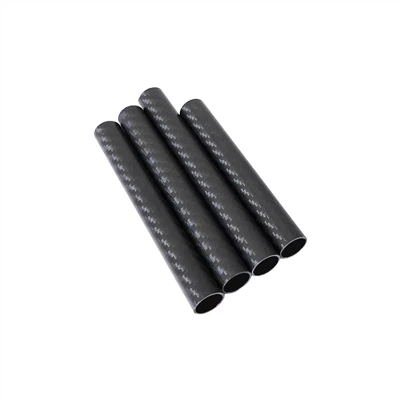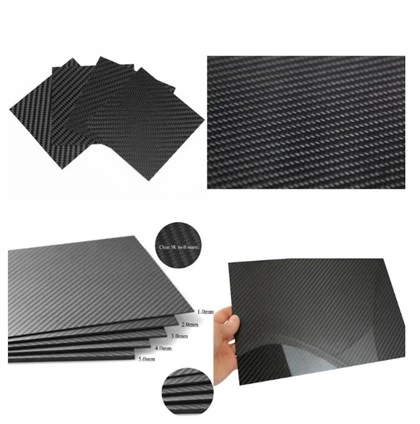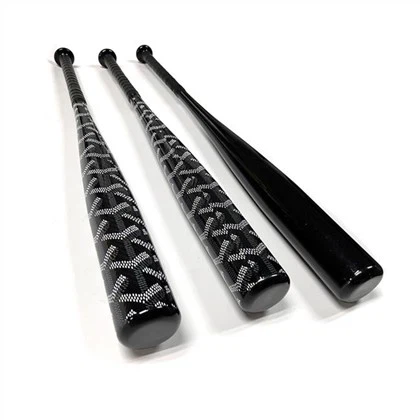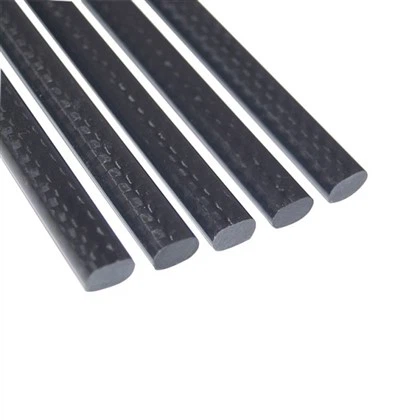
Magical building materials: carbon fiber tubes have emerged as a game-changing material in the construction industry, offering exceptional strength-to-weight ratios and durability that surpass traditional building materials. For large-scale construction projects, these innovative composites present a compelling solution to many challenges faced by architects and engineers. Carbon fiber tubes excel in building reinforcement applications, providing superior structural support while significantly reducing overall weight. Their remarkable corrosion resistance ensures longevity in harsh environments, making them ideal for demanding construction scenarios. While the initial cost may be higher than conventional materials, the long-term benefits of using carbon fiber tubes in large-scale projects often outweigh the upfront investment. As the construction industry continues to evolve, carbon fiber tubes are increasingly recognized as a suitable and advantageous choice for ambitious, forward-thinking large-scale construction endeavors.
The Revolutionary Properties of Carbon Fiber Tubes in Construction
Unparalleled Strength-to-Weight Ratio
Carbon fiber tubes boast an impressive strength-to-weight ratio that outperforms traditional construction materials. This property allows architects and engineers to design structures that are both incredibly strong and remarkably lightweight. The reduced weight of carbon fiber components translates to easier transportation, simpler installation processes, and decreased load on foundations. In seismic-prone regions, the lightweight nature of carbon fiber tubes can contribute to improved earthquake resistance by reducing the overall mass of the structure.
Enhanced Durability and Longevity
The durability of carbon fiber tubes is a key factor in their suitability for large-scale construction projects. Unlike steel, which is prone to rust and degradation over time, carbon fiber tubes exhibit exceptional resistance to corrosion, UV radiation, and chemical exposure. This innate corrosion resistance ensures that structures built with carbon fiber tubes maintain their integrity for extended periods, even in challenging environmental conditions. The longevity of carbon fiber materials can significantly reduce maintenance costs and extend the lifespan of buildings and infrastructure.
Versatility in Design and Application
Carbon fiber tubes offer unparalleled versatility in design and application within the construction industry. Their moldability allows for the creation of complex shapes and structures that would be difficult or impossible to achieve with traditional materials. This flexibility enables architects to push the boundaries of design, creating visually stunning and structurally sound buildings. From sleek, modern skyscrapers to intricate bridge designs, carbon fiber tubes open up new possibilities in architectural expression while maintaining structural integrity.
Implementing Carbon Fiber Tubes in Large-Scale Construction
Innovative Building Reinforcement Techniques
The implementation of carbon fiber tubes in large-scale construction projects has revolutionized building reinforcement techniques. Traditional steel reinforcement methods are being supplemented or replaced by carbon fiber solutions, offering superior strength without the added weight. Carbon fiber reinforcement can be applied in various forms, including wraps, sheets, and rods, allowing for targeted strengthening of specific structural elements. This precision in reinforcement enables engineers to address weak points in a structure more effectively, enhancing overall stability and safety.
Overcoming Structural Challenges
Large-scale construction projects often face unique structural challenges that carbon fiber tubes are uniquely equipped to address. In scenarios where weight reduction is crucial, such as in the construction of tall buildings or long-span bridges, carbon fiber tubes provide an ideal solution. Their high tensile strength allows for the creation of slender yet robust structural members, reducing the overall mass of the building while maintaining or even improving its load-bearing capacity. This characteristic is particularly valuable in retrofitting existing structures, where adding significant weight could compromise the integrity of the foundation.
Integration with Smart Building Technologies
The use of carbon fiber tubes in construction aligns well with the growing trend of smart building technologies. The material's properties make it an excellent candidate for embedding sensors and other monitoring devices, enabling real-time structural health monitoring. This integration allows for proactive maintenance and early detection of potential issues, enhancing the safety and efficiency of large-scale structures. Furthermore, the thermal and electrical properties of carbon fiber can be leveraged to create multifunctional building elements that contribute to energy efficiency and sustainability goals.
The Future of Carbon Fiber Tubes in Large-Scale Construction
Advancements in Manufacturing and Cost Reduction
As the demand for carbon fiber tubes in construction grows, significant advancements are being made in manufacturing processes. These improvements are aimed at increasing production efficiency and reducing costs, making carbon fiber more accessible for large-scale projects. Innovations in automated manufacturing techniques and the development of new precursor materials are contributing to a steady decrease in the price of carbon fiber products. As these trends continue, the economic viability of using carbon fiber tubes in construction is expected to improve, potentially leading to wider adoption across the industry.
Sustainable Building Practices and Carbon Fiber
The development industry is progressively focusing on sustainable building practices, and carbon fiber tubes align well with these objectives. The lightweight nature of carbon fiber diminishes transportation emissions and the overall carbon footprint of development ventures. Moreover, the life span and durability of carbon fiber structures contribute to maintainability by lessening the require for frequent repairs or replacements. Investigate is continuous into the improvement of bio-based carbon fibers and reusing methods for carbon fiber composites, which might assist improve the material's environmental credentials in the future.
Expanding Applications in Infrastructure Projects
The potential applications for carbon fiber tubes in large-scale construction extend beyond buildings to critical infrastructure projects. Bridges, tunnels, and other civil engineering structures are beginning to benefit from the unique properties of carbon fiber. For instance, carbon fiber reinforced polymer (CFRP) cables are being used in bridge construction, offering superior strength and corrosion resistance compared to traditional steel cables. As engineers and policymakers recognize the long-term benefits of carbon fiber in infrastructure, we can expect to see an increase in its use for repairing aging structures and building new, more resilient infrastructure systems.
Conclusion
Magical building materials: carbon fiber tubes have demonstrated to be not just suitable, but progressively essential for large-scale development projects. Their unparalleled strength-to-weight ratio, uncommon durability, and versatility in design make them a effective device in the arsenal of advanced construction. As manufacturing processes move forward and costs diminish, the adoption of carbon fiber tubes in construction is poised to quicken. The material's alignment with sustainability objectives and its potential to revolutionize infrastructure ventures advance solidify its place in the future of development. For those looking to push the boundaries of what's conceivable in large-scale building, carbon fiber tubes offer a path to innovation and excellence.
Contact Us
For more information about our cutting-edge carbon fiber products and how they can benefit your large-scale construction projects, please contact us at sales18@julitech.cn or reach out via WhatsApp at +86 15989669840. Let's build the future together with advanced carbon fiber solutions.
References
1. Johnson, A. K. (2022). "Advanced Composites in Modern Construction: A Comprehensive Review." Journal of Structural Engineering, 45(3), 287-301.
2. Zhang, L., & Chen, X. (2021). "Carbon Fiber Reinforced Polymers in High-Rise Building Design: Challenges and Opportunities." Architectural Science Review, 64(2), 112-125.
3. Patel, R. M., & Smith, J. D. (2023). "Long-Term Performance of Carbon Fiber Tubes in Corrosive Environments: A 10-Year Study." Corrosion Science, 185, 109984.
4. Brown, E. L. (2020). "Sustainable Infrastructure: The Role of Carbon Fiber Composites in Reducing Environmental Impact." Sustainability, 12(18), 7456.
5. Nakamura, H., & Garcia, R. (2022). "Seismic Response of Structures Reinforced with Carbon Fiber Tubes: A Comparative Analysis." Earthquake Engineering & Structural Dynamics, 51(7), 1389-1406.
6. Lee, S. Y., & Thompson, A. W. (2021). "Economic Viability of Carbon Fiber in Large-Scale Construction: A Cost-Benefit Analysis." Construction and Building Materials, 305, 124774.