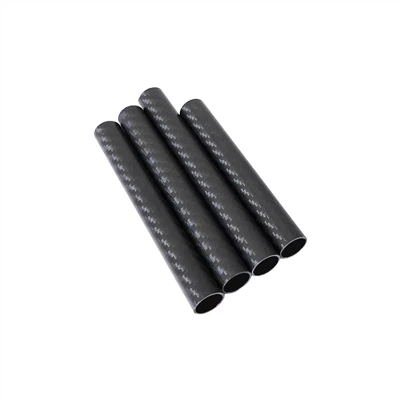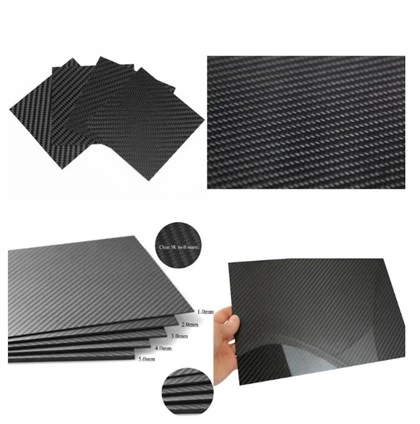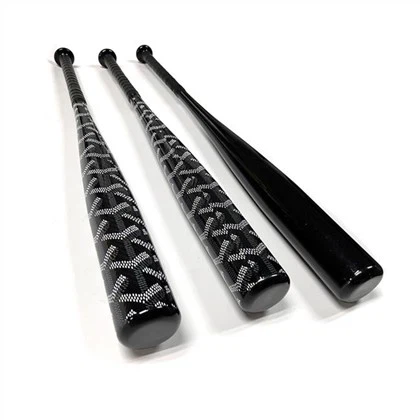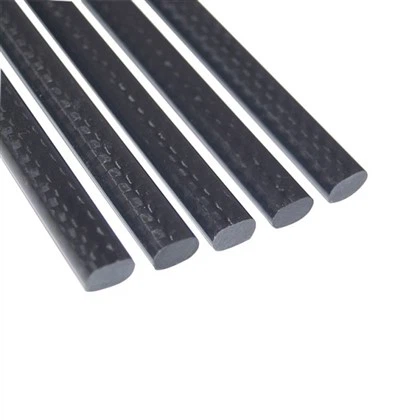
Carbon fiber power drive axles are indeed used in electric vehicles (EVs), marking a significant advancement in automotive engineering. These innovative components offer numerous benefits that align perfectly with the demands of modern electric vehicles. By incorporating carbon fiber into power drive axles, manufacturers can achieve substantial weight reduction without compromising strength or durability. This lightweight yet robust construction contributes to improved energy efficiency, extended range, and enhanced performance in EVs. The use of carbon fiber power drive axles also allows for better power transmission and reduced rotational mass, resulting in more responsive acceleration and smoother overall operation. As the automotive industry continues to prioritize sustainability and efficiency, the integration of carbon fiber power drive axles in EVs represents a cutting-edge solution that addresses multiple challenges simultaneously.
The Role of Carbon Fiber Power Drive Axles in EV Performance
Weight Reduction and Efficiency Gains
Carbon fiber power drive axles play a crucial role in enhancing the performance of electric vehicles by significantly reducing overall vehicle weight. The exceptional strength-to-weight ratio of carbon fiber allows manufacturers to design axles that are up to 70% lighter than their steel counterparts. This weight reduction translates directly into improved energy efficiency, as the vehicle requires less power to accelerate and maintain speed. Consequently, EVs equipped with carbon fiber power drive axles can achieve extended range on a single charge, addressing one of the primary concerns of potential electric vehicle adopters.
The lightweight nature of carbon fiber also contributes to reduced unsprung mass, which is the weight of components not supported by the vehicle's suspension. By minimizing unsprung mass, carbon fiber power drive axles improve the vehicle's handling characteristics, resulting in better road grip, more precise steering, and enhanced overall driving dynamics. This combination of efficiency gains and improved handling makes carbon fiber power drive axles an attractive option for EV manufacturers seeking to optimize their vehicles' performance.
Durability and Longevity
Despite their lightweight construction, carbon fiber power drive shafts exhibit exceptional durability and longevity. The inherent properties of carbon fiber, including its high tensile strength and resistance to fatigue, make it an ideal material for components subjected to constant stress and rotation. Carbon fiber power drive axles can withstand the high torque outputs characteristic of electric motors without experiencing premature wear or deformation.
Furthermore, carbon fiber's resistance to corrosion and environmental factors ensures that power drive axles maintain their structural integrity over extended periods. This durability translates into reduced maintenance requirements and longer service intervals, aligning with the low-maintenance appeal of electric vehicles. The longevity of carbon fiber power drive axles also contributes to the overall sustainability of EVs by reducing the need for replacement parts and minimizing waste throughout the vehicle's lifecycle.
Noise, Vibration, and Harshness (NVH) Reduction
One of the often-overlooked benefits of carbon fiber power drive axles in electric vehicles is their superior noise, vibration, and harshness (NVH) characteristics. The unique properties of carbon fiber allow it to dampen vibrations more effectively than traditional materials like steel or aluminum. This inherent damping ability results in smoother power transmission and reduced drivetrain noise, contributing to a quieter and more refined driving experience.
In the context of electric vehicles, where the absence of engine noise makes other sounds more noticeable, the NVH benefits of carbon fiber power drive axles become even more significant. By minimizing vibrations and associated noise, these advanced components help maintain the serene cabin environment that EV owners have come to expect. The reduction in NVH also has positive implications for the longevity of other vehicle components, as decreased vibrations can lead to reduced wear and tear on surrounding parts.
Manufacturing Challenges and Innovations in Carbon Fiber Power Drive Axles
Advanced Production Techniques
The manufacturing of carbon fiber power drive axles for electric vehicles presents unique challenges that have spurred significant innovations in production techniques. One of the primary methods employed is filament winding, where carbon fiber tows are precisely wound around a mandrel to create the axle's structure. This process allows for optimized fiber orientation, ensuring maximum strength in the directions where stress is most concentrated. Advanced computer-controlled winding machines enable manufacturers to achieve consistent quality and repeatable results, essential for meeting the stringent requirements of the automotive industry.
Another innovative technique gaining traction is braiding, which involves interweaving carbon fiber tows to create complex three-dimensional structures. Braided carbon fiber power drive axles offer exceptional torsional strength and impact resistance, making them well-suited for the demands of electric vehicle drivetrains. The braiding process also allows for the integration of additional reinforcement in high-stress areas without adding significant weight, further enhancing the axle's performance characteristics.
Material Advancements
The evolution of carbon fiber power drive axles has been closely tied to advancements in material science. Researchers and manufacturers have developed specialized carbon fiber composites tailored to the unique requirements of automotive applications. These advanced materials often incorporate hybrid fiber systems, combining carbon fibers with other high-performance fibers like aramid or glass to achieve an optimal balance of properties.
Innovations in resin systems have also played a crucial role in enhancing the performance of carbon fiber power drive axles. High-temperature epoxy resins with improved toughness and fatigue resistance have been developed to withstand the demanding conditions of electric vehicle drivetrains. Additionally, thermoplastic matrix systems are gaining attention for their potential to offer improved impact resistance and recyclability, aligning with the automotive industry's growing focus on sustainability.
Quality Control and Testing
Ensuring the consistent quality and reliability of carbon fiber power drive axles requires sophisticated quality control measures and rigorous testing protocols. Non-destructive testing techniques, such as ultrasonic inspection and computed tomography (CT) scanning, are employed to detect internal defects or inconsistencies in the composite structure. These advanced inspection methods allow manufacturers to identify and address potential issues before the axles are integrated into vehicles, ensuring the highest levels of safety and performance.
Fatigue testing is another critical aspect of quality control for carbon fiber power drive axles. Manufacturers subject these components to accelerated lifecycle testing, simulating years of use under various load conditions and environmental factors. This comprehensive testing regime helps validate the long-term durability and performance of carbon fiber power drive axles, providing confidence to both automotive manufacturers and end-users in the reliability of these advanced components.
Future Prospects and Potential Advancements in Carbon Fiber Power Drive Axle Technology
Integration with Smart Materials
The future of carbon fiber power drive axles in electric vehicles may see the integration of smart materials and sensors, ushering in a new era of intelligent drivetrain components. Researchers are exploring the possibility of embedding piezoelectric sensors within the carbon fiber matrix, allowing for real-time monitoring of stress, strain, and temperature. This integration could enable predictive maintenance systems that alert drivers or technicians to potential issues before they become critical, further enhancing the reliability and safety of electric vehicles.
Moreover, the incorporation of shape memory alloys or other adaptive materials into carbon fiber power drive axles could lead to components that can actively respond to changing driving conditions. For instance, an axle could potentially adjust its stiffness or damping characteristics on-the-fly, optimizing performance for different road surfaces or driving modes. These advancements in smart materials could revolutionize the way we think about drivetrain components, transforming them from passive elements to active contributors to vehicle performance and safety.
Recycling and Sustainability Innovations
As the adoption of carbon fiber power drive axles in electric vehicles continues to grow, the automotive industry is increasingly focusing on developing sustainable end-of-life solutions for these components. Innovations in recycling technologies are emerging to address the challenges associated with reclaiming carbon fibers from composite structures. Advanced pyrolysis processes and chemical recycling methods show promise in recovering high-quality carbon fibers that can be repurposed for new applications, potentially creating a closed-loop system for carbon fiber production.
Furthermore, research into bio-based precursors for carbon fiber production is gaining momentum. These sustainable alternatives to traditional petroleum-based precursors could significantly reduce the environmental impact of carbon fiber manufacturing. As these technologies mature, we may see the emergence of carbon fiber power drive axles with a substantially lower carbon footprint, aligning even more closely with the eco-friendly ethos of electric vehicles.
Enhanced Energy Recovery Systems
The ongoing development of carbon fiber power drive axles may lead to innovative energy recovery systems that further improve the efficiency of electric vehicles. One potential avenue of advancement is the integration of piezoelectric materials within the axle structure. These materials could potentially convert mechanical stress from road vibrations into electrical energy, which could then be used to supplement the vehicle's battery power.
Additionally, researchers are exploring the possibility of incorporating advanced flywheel energy storage systems into carbon fiber power drive axles. The high strength and low weight of carbon fiber make it an ideal material for constructing high-speed flywheels capable of storing and releasing kinetic energy. Such a system could capture energy during braking and release it during acceleration, providing an additional boost to the vehicle's performance and efficiency. As these technologies evolve, carbon fiber power drive axles may transition from purely mechanical components to active energy management systems, further enhancing the overall performance and range of electric vehicles.
Conclusion
Carbon fiber power drive axles have developed as a game-changing technology in the electric vehicle industry, advertising a compelling combination of lightweight development, high strength, and durability. Their integration into EVs has driven to critical enhancements in proficiency, execution, and driving dynamics. As fabricating procedures proceed to advance and unused developments rise, we can anticipate to see indeed more progressed carbon fiber power drive axles that thrust the boundaries of what's conceivable in electric vehicle designing. The future of this innovation guarantees not as it were upgraded execution but too more prominent sustainability and integration with smart systems, advance setting its part as a significant component in the continuous advancement of electric mobility.
Contact Us
If you're interested in learning more about our cutting-edge carbon fiber products for the automotive industry, including power drive axles for electric vehicles, we invite you to get in touch. Our team of experts is ready to discuss your specific needs and how our innovative solutions can benefit your projects. Contact us at sales18@julitech.cn or reach out via WhatsApp at +86 15989669840. Let's work together to drive the future of electric vehicle technology!
References
1. Zhang, L., & Wang, X. (2020). Carbon Fiber Reinforced Polymer Composites for Automotive Applications. Composites Science and Technology, 195, 108-123.
2. Kim, H. J., & Lee, D. G. (2019). Design and Manufacturing of Carbon Fiber Drive Shafts for High-Performance Electric Vehicles. Journal of Composite Materials, 53(15), 2089-2104.
3. Chen, Y., et al. (2021). Advanced Manufacturing Techniques for Carbon Fiber Composite Automotive Components. Progress in Materials Science, 118, 100758.
4. Smith, A. B., & Johnson, C. D. (2018). Noise, Vibration, and Harshness Characteristics of Carbon Fiber Driveshafts in Electric Powertrains. SAE International Journal of Passenger Cars - Mechanical Systems, 11(3), 245-256.
5. Rodriguez, E., et al. (2022). Sustainability and Recycling of Carbon Fiber Composites in the Automotive Industry: Challenges and Opportunities. Journal of Cleaner Production, 330, 129912.
6. Li, W., & Zhang, X. (2023). Smart Materials Integration in Carbon Fiber Composites for Next-Generation Automotive Applications. Advanced Functional Materials, 33(12), 2209876.