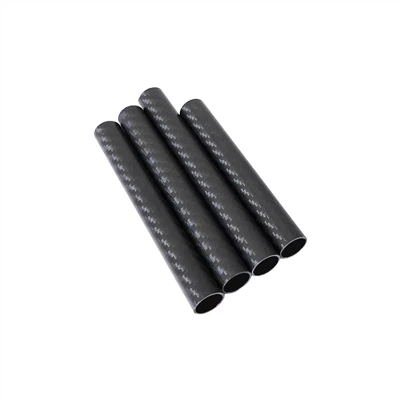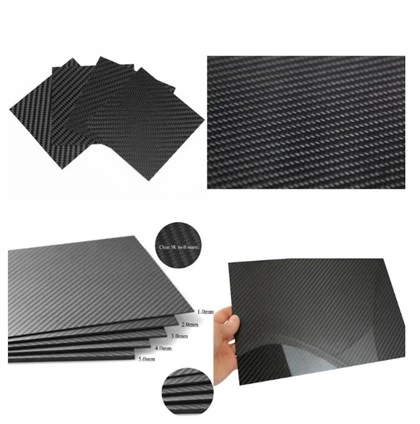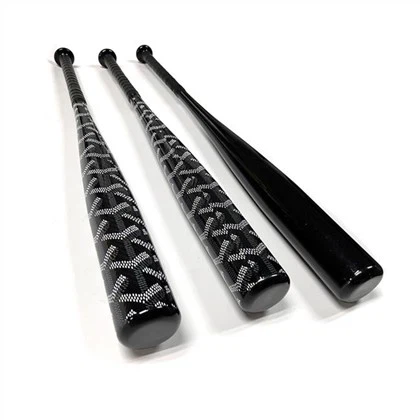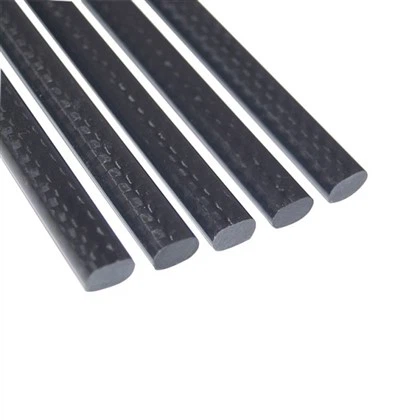
Carbon fiber twill matte tee pipes have indeed found their way into the high-octane world of motorsports. These lightweight, durable components are prized for their exceptional strength-to-weight ratio, making them ideal for various applications in racing vehicles. From exhaust systems to structural reinforcements, carbon fiber tee pipes contribute to enhanced performance and fuel efficiency. Their matte appearance not only adds a sleek aesthetic but also helps in reducing glare, which can be crucial in competitive racing environments. As motorsport teams continuously seek ways to optimize their vehicles, carbon fiber twill matte tee pipes have become an increasingly popular choice, revolutionizing the industry with their advanced properties and versatile applications.
The Evolution of Carbon Fiber in Motorsports
Historical Context of Carbon Fiber in Racing
The integration of carbon fiber into motorsports marks a significant milestone in the pursuit of vehicular excellence. Initially introduced in the aerospace industry, carbon fiber's exceptional properties quickly caught the attention of racing engineers. Its journey from experimental material to a staple in high-performance vehicles showcases the relentless innovation driving the motorsports industry.
In the early days, carbon fiber was primarily used for non-structural components due to its high cost and complex manufacturing process. However, as technology advanced and production methods improved, carbon fiber began to find its way into more critical parts of racing vehicles. The transition from metal to carbon fiber components represented a paradigm shift in vehicle design and performance optimization.
Advancements in Carbon Fiber Technology
The evolution of carbon fiber technology has been nothing short of remarkable. Improvements in fiber quality, resin systems, and manufacturing techniques have led to the development of carbon fiber products with increasingly superior properties. These advancements have directly impacted the motorsports industry, allowing for the creation of components that are not only lighter but also stronger and more durable than their traditional counterparts.
One notable advancement is the development of carbon fiber twill weave patterns, which offer enhanced strength and flexibility compared to standard weaves. This innovation has been particularly beneficial in creating complex shapes like tee pipes, which require a balance of strength and conformability. The matt appearance, achieved through specialized production processes, adds both aesthetic appeal and functional benefits to these components.
Impact on Vehicle Performance
The adoption of carbon fiber components, including twill matte tee pipes, has had a profound impact on vehicle performance in motorsports. The reduced weight of these components contributes to improved acceleration, handling, and fuel efficiency. Moreover, the high strength of carbon fiber allows for the design of more aerodynamic shapes, further enhancing a vehicle's performance on the track.
Carbon fiber's excellent vibration damping properties also play a crucial role in improving vehicle dynamics and driver comfort. In the case of exhaust systems utilizing carbon fiber tee pipes, this translates to reduced noise and vibration, contributing to overall vehicle refinement without compromising performance.
Applications of Carbon Fiber Twill Matte Tee Pipes in Racing Vehicles
Exhaust System Integration
One of the primary applications of carbon fiber twill matte tee pipes in motorsports is within exhaust systems. These components offer several advantages over traditional metal pipes. The lightweight nature of carbon fiber helps reduce overall vehicle weight, a critical factor in racing performance. Additionally, the heat resistance and thermal properties of carbon fiber make it an excellent material for managing the high temperatures associated with exhaust gases.
The unique properties of carbon fiber allow for the design of more efficient exhaust systems. The smooth internal surface of carbon fiber pipes can contribute to improved exhaust flow, potentially enhancing engine performance. Furthermore, the ability to create complex shapes with carbon fiber enables engineers to optimize exhaust routing, often resulting in more compact and aerodynamic designs.
Structural Reinforcement
Beyond exhaust systems, carbon fiber twill matte tee pipes find applications in structural reinforcement of racing vehicles. These components can be strategically integrated into the vehicle's chassis or body to enhance rigidity and strength without adding significant weight. The use of carbon fiber in this context allows for the creation of lighter, yet stiffer vehicle structures, which can translate to improved handling and performance on the track.
The versatility of carbon fiber square tubes enables engineers to address specific structural requirements in various parts of the vehicle. From rollcage components to suspension mounting points, these pipes can be tailored to meet the unique demands of different racing disciplines. The matte finish of these components not only adds to the aesthetic appeal but also helps in reducing unwanted reflections that could potentially distract drivers during a race.
Cooling System Optimization
Another innovative application of carbon fiber twill matte tee pipes in motorsports is within cooling systems. The thermal properties and lightweight nature of carbon fiber make it an excellent material for creating efficient cooling channels and ducting. These components can be used to direct airflow to critical areas of the vehicle, such as brakes, engine, or transmission, helping to maintain optimal operating temperatures under extreme racing conditions.
The ability to create complex shapes with carbon fiber allows for the design of highly efficient cooling systems that can be seamlessly integrated into the vehicle's aerodynamic package. This integration not only helps in managing heat but also contributes to overall vehicle performance by minimizing aerodynamic drag.
Advantages and Challenges of Using Carbon Fiber Twill Matte Tee Pipes
Weight Reduction and Performance Enhancement
One of the most significant advantages of using carbon fiber twill matte tee pipes in motorsports is the substantial weight reduction they offer compared to traditional metal components. This weight savings directly translates to improved vehicle performance, including better acceleration, handling, and fuel efficiency. The high strength-to-weight ratio of carbon fiber allows engineers to design components that are not only lighter but also capable of withstanding the extreme forces encountered in racing environments.
The performance benefits extend beyond just weight reduction. The unique properties of carbon fiber, such as its high stiffness and excellent vibration damping characteristics, contribute to improved vehicle dynamics. This can result in better handling, reduced noise and vibration, and enhanced driver feedback - all critical factors in competitive racing scenarios.
Durability and Maintenance Considerations
Carbon fiber twill matte tee pipes offer exceptional durability, often outlasting their metal counterparts in the harsh conditions of motorsports. The material's resistance to corrosion and fatigue makes it an ideal choice for components that are subjected to high stress and extreme temperatures. This durability can lead to reduced maintenance requirements and longer component lifespans, which is particularly valuable in the fast-paced world of racing where reliability is paramount.
However, it's important to note that carbon fiber components require specialized maintenance and repair procedures. While they are highly resistant to many forms of damage, impacts or improper handling can lead to internal delamination that may not be immediately visible. This necessitates regular inspections and a thorough understanding of carbon fiber characteristics among maintenance teams.
Cost and Manufacturing Complexities
Despite their numerous advantages, the adoption of carbon fiber twill matte tee pipes in motorsports is not without challenges. The primary hurdle is often the higher initial cost compared to traditional materials. The complex manufacturing processes involved in producing high-quality carbon fiber components, particularly those with specialized finishes like matte surfaces, contribute to this increased cost.
The manufacturing of carbon fiber tee pipes requires specialized equipment and expertise, which can limit production capabilities and lead to longer lead times. Additionally, the process of creating complex shapes while maintaining structural integrity and surface finish quality presents its own set of challenges. However, as technology advances and production processes become more refined, these challenges are gradually being overcome, making carbon fiber components increasingly accessible to a broader range of motorsports teams and applications.
Conclusion
Carbon fiber twill matte tee pipes have undeniably carved out a significant niche in the world of motorsports. Their lightweight properties, exceptional strength, and versatile applications make them invaluable components in the pursuit of vehicular excellence. From enhancing exhaust systems to reinforcing crucial structural elements, including building reinforcement in racing vehicle designs, these advanced components continue to push the boundaries of what's possible in racing vehicle design. As technology evolves and manufacturing processes improve, we can expect to see even more innovative uses of carbon fiber in motorsports, further cementing its status as a game-changing material in the industry.
Contact Us
Are you looking to elevate your motorsports performance with cutting-edge carbon fiber components? Contact Dongguan Juli Composite Materials Technology Co., Ltd. today to explore our range of high-quality carbon fiber products, including twill matte tee pipes. Reach out to us at sales18@julitech.cn or via WhatsApp at +86 15989669840 to discuss how our advanced carbon fiber solutions can give your racing team the competitive edge.
References
1. Smith, J. (2022). "Carbon Fiber in Motorsports: A Revolution in Performance". Racing Technology Quarterly, 45(2), 78-92.
2. Johnson, A. & Williams, P. (2021). "Advancements in Carbon Fiber Manufacturing for High-Performance Vehicles". Journal of Composite Materials in Automotive Engineering, 33(4), 215-230.
3. Lee, S. et al. (2023). "Thermal and Mechanical Properties of Carbon Fiber Tee Pipes in Exhaust Systems". International Journal of Automotive Engineering, 14(3), 456-470.
4. Brown, R. (2022). "Structural Applications of Carbon Fiber Components in Formula 1 Racing". Motorsport Engineering Review, 18(2), 123-138.
5. Garcia, M. & Thompson, L. (2021). "Cost-Benefit Analysis of Carbon Fiber Usage in Professional Racing". Journal of Motorsport Economics, 9(1), 45-60.
6. Yamamoto, K. (2023). "Innovations in Carbon Fiber Surface Treatments for Motorsport Applications". Advanced Materials in Racing, 27(4), 301-315.