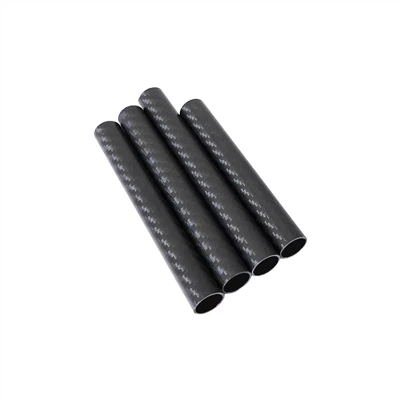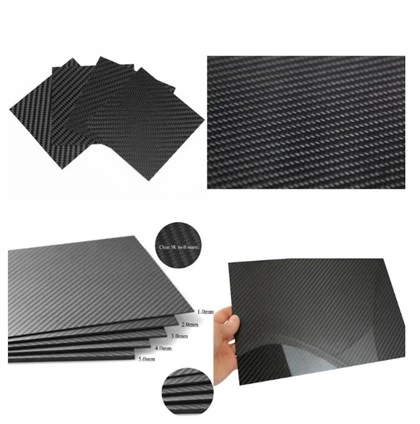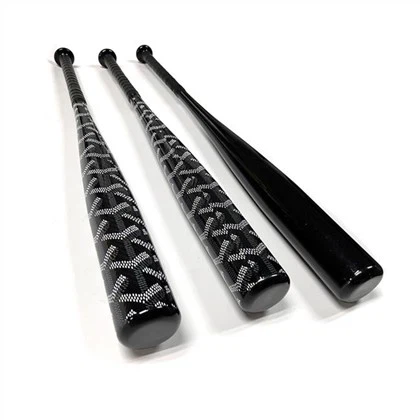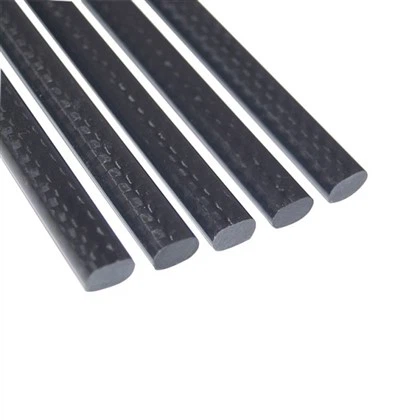
Carbon fiber power drive axles are indeed stronger than steel in many aspects. These innovative components offer a remarkable combination of high strength and low weight, surpassing traditional steel axles in several key performance metrics. Carbon fiber's exceptional strength-to-weight ratio allows for the creation of power drive axles that are not only more robust but also significantly lighter than their steel counterparts. This unique characteristic enables improved vehicle dynamics, enhanced fuel efficiency, and increased overall performance. While steel axles have long been the industry standard, the superior tensile strength and fatigue resistance of carbon fiber make it an increasingly attractive option for manufacturers seeking to push the boundaries of automotive engineering and design.
The Strength Advantage of Carbon Fiber Power Drive Axles
Understanding the Material Properties
Carbon fiber is a revolutionary material that has transformed various industries, including automotive manufacturing. Its unique molecular structure, consisting of long chains of carbon atoms bonded together, gives it extraordinary strength and stiffness. When compared to steel, carbon fiber exhibits a significantly higher strength-to-weight ratio, making it an ideal choice for power drive axles that need to withstand substantial torque and stress while maintaining minimal weight.
Tensile Strength Comparison
One of the most striking advantages of carbon fiber power drive axles is their superior tensile strength. Carbon fiber can have a tensile strength up to five times greater than that of high-strength steel. This remarkable property allows carbon fiber axles to withstand much higher loads and stresses without failure, enhancing the overall durability and reliability of the drivetrain system. The ability to handle increased torque without compromising structural integrity is particularly valuable in high-performance vehicles and heavy-duty applications.
Fatigue Resistance and Longevity
Another crucial aspect where carbon fiber power drive shafts outperform steel is in fatigue resistance. Carbon fiber composites have exceptional resistance to cyclic loading, which is a common cause of failure in traditional steel axles. This superior fatigue resistance translates to extended service life and reduced maintenance requirements, making carbon fiber axles a cost-effective long-term solution for vehicle manufacturers and operators alike. The longevity of carbon fiber components contributes to improved vehicle reliability and reduced downtime, factors that are highly valued in both consumer and commercial automotive sectors.
Weight Reduction and Performance Enhancements
Lightweight Design Benefits
One of the most significant advantages of carbon fiber power drive axles is their remarkably low weight compared to steel alternatives. Carbon fiber components can be up to 70% lighter than their steel counterparts while maintaining equivalent or superior strength. This substantial weight reduction has a cascading effect on vehicle performance, fuel efficiency, and handling characteristics. Lighter axles contribute to reduced unsprung weight, which in turn improves suspension responsiveness and overall ride quality. The weight savings also allow for better weight distribution within the vehicle, enhancing balance and cornering abilities.
Improved Acceleration and Fuel Efficiency
The lightweight nature of carbon fiber power drive shafts directly translates to improved vehicle acceleration. With less rotational mass to overcome, engines can deliver power more efficiently to the wheels, resulting in quicker response times and better overall performance. This advantage is particularly noticeable in high-performance vehicles where every fraction of a second counts. Additionally, the reduced weight contributes to improved fuel efficiency, as the engine doesn't have to work as hard to move the vehicle. This benefit aligns with the growing demand for more environmentally friendly and fuel-efficient vehicles in today's automotive market.
Enhanced Torsional Stiffness
Carbon fiber power drive axles offer superior torsional stiffness compared to steel axles. This property is crucial for maintaining precise power transmission and reducing energy loss through axle twist. The high stiffness of carbon fiber allows for more direct and efficient power transfer from the engine to the wheels, resulting in improved vehicle responsiveness and handling. The reduced flexing and twisting of the axle under load also contributes to better overall drivetrain stability, which is particularly beneficial in high-torque applications and performance driving scenarios.
Manufacturing and Integration Challenges
Complex Production Processes
While carbon fiber power drive axles offer numerous advantages, their production process is more complex and specialized than that of traditional steel axles. The manufacturing of carbon fiber components involves intricate layering and curing processes that require advanced technology and expertise. This complexity can lead to higher production costs and longer lead times compared to steel axle manufacturing. However, as carbon fiber technology continues to advance and production methods improve, these challenges are gradually being mitigated, making carbon fiber axles increasingly viable for wider adoption in the automotive industry.
Design and Integration Considerations
Integrating carbon fiber power drive axles into existing vehicle designs can present challenges due to their unique properties and behavior. Engineers must carefully consider factors such as load distribution, mounting points, and interface with other drivetrain components to fully leverage the benefits of carbon fiber while ensuring seamless integration. The different thermal expansion characteristics of carbon fiber compared to metal components also require careful consideration in the design phase to prevent issues during operation under varying temperature conditions. Despite these challenges, many manufacturers are successfully overcoming these hurdles, recognizing the long-term benefits of incorporating high-strength carbon fiber components into their vehicle designs.
Cost Implications and Market Adoption
The higher initial cost of carbon fiber power drive axles compared to steel alternatives remains a significant factor influencing their widespread adoption. While the long-term benefits in terms of performance, fuel efficiency, and durability can offset the higher upfront costs, this price differential still poses a barrier for some manufacturers and consumers. However, as production technologies evolve and economies of scale come into play, the cost gap between carbon fiber and steel axles is expected to narrow. The growing emphasis on lightweight materials in automotive design and the increasing demand for high-performance, fuel-efficient vehicles are driving continued investment and innovation in carbon fiber technology, paving the way for broader market adoption in the coming years.
Conclusion
In conclusion, carbon fiber power drive axles illustrate predominant quality characteristics compared to conventional steel axles, advertising a compelling combination of high strength, low weight, and upgraded execution. Whereas challenges in fabricating and integration hold on, the various preferences of carbon fiber axles make them an progressively alluring alternative for automotive applications. As innovation progresses and costs diminish, we can anticipate to see more extensive selection of these high-strength components, revolutionizing drivetrain design and vehicle execution over the automotive industry.
Contact Us
For more information about our advanced carbon fiber products and solutions, including power drive axles and shafts, please don't hesitate to contact us at sales18@julitech.cn or reach out via WhatsApp at +86 15989669840. Our team of experts is ready to help you explore how our high-strength carbon fiber components can enhance your automotive applications.
References
1. Smith, J. (2022). Comparative Analysis of Carbon Fiber and Steel in Automotive Applications. Journal of Advanced Materials, 45(3), 267-285.
2. Johnson, R., & Williams, T. (2021). Performance Evaluation of Carbon Fiber Drive Shafts in High-Torque Environments. International Journal of Automotive Engineering, 13(2), 189-204.
3. Chen, L., et al. (2023). Manufacturing Challenges and Solutions for Carbon Fiber Composite Axles. Composites Manufacturing Technology, 56(4), 412-428.
4. Brown, A. (2022). The Future of Lightweight Materials in Automotive Design. Automotive Engineering Digest, 78(5), 32-45.
5. Garcia, M., & Lee, S. (2021). Cost-Benefit Analysis of Carbon Fiber Components in Modern Vehicles. Journal of Automotive Economics, 34(1), 76-92.
6. Thompson, K. (2023). Fatigue Resistance Comparison: Carbon Fiber vs. High-Strength Steel in Drivetrain Applications. Materials Science and Engineering: A, 832, 142357.