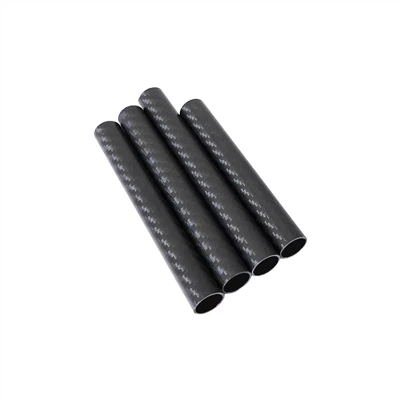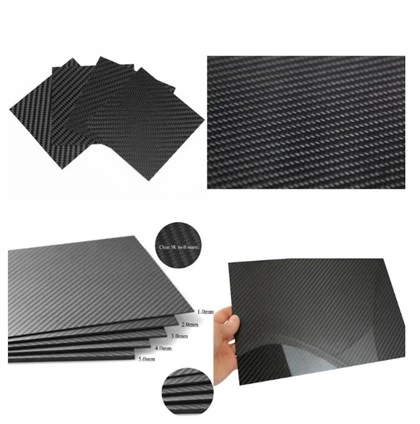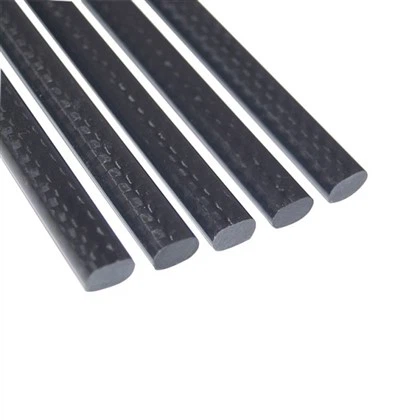
Absolutely! Carbon fiber FPV frames for monitoring are indeed customizable, offering a wealth of possibilities for drone enthusiasts and professionals alike. These lightweight yet robust frames provide an excellent foundation for creating tailored monitoring solutions. With the ability to adjust dimensions, integrate specialized components, and modify structural elements, carbon fiber frames can be adapted to meet specific monitoring requirements. Whether you're conducting aerial surveys, environmental assessments, or security operations, the customization options allow for optimized performance, enhanced durability, and improved functionality. This flexibility makes carbon fiber FPV frames an ideal choice for those seeking to create bespoke monitoring drones that excel in their intended applications.
Exploring the Customization Potential of Carbon Fiber FPV Frames
Tailoring Frame Dimensions for Specific Monitoring Needs
One of the primary advantages of carbon fiber FPV frames for monitoring is their adaptability in terms of size and shape. Manufacturers can adjust the frame's dimensions to accommodate various payload requirements, flight characteristics, and operational constraints. For instance, a compact frame might be ideal for indoor inspections, while a larger frame could support more sophisticated sensor arrays for wide-area surveillance. The inherent strength-to-weight ratio of carbon fiber allows for these customizations without compromising structural integrity.
Integrating Specialized Mounting Points and Accessories
Customization extends beyond mere size adjustments. Carbon fiber FPV frames can be designed with specialized mounting points to securely attach an array of monitoring equipment. This may include high-resolution cameras, thermal imaging sensors, LiDAR systems, or even environmental sampling devices. The frame's design can incorporate vibration-dampening elements to ensure stable imagery and accurate data collection. Additionally, custom accessory rails or modular attachment systems can be integrated, allowing for quick swaps of monitoring equipment in the field.
Optimizing Aerodynamics for Enhanced Flight Performance
The malleability of carbon fiber composites allows for intricate aerodynamic optimizations. Frame profiles can be sculpted to reduce drag, improve stability, and extend flight times – crucial factors in monitoring applications. Engineers can design custom airfoils or incorporate features like integrated ducts for propulsion systems, enhancing the drone's overall efficiency. These aerodynamic customizations not only improve performance but can also contribute to quieter operation, which is beneficial for wildlife monitoring or covert surveillance missions.
Advanced Customization Techniques for Carbon Fiber Drone Frames
Leveraging Composite Layup Strategies for Targeted Performance
The customization of carbon fiber FPV frames extends to the very fabric of their construction. By manipulating the orientation and layering of carbon fiber sheets, manufacturers can create frames with directional strength properties. This technique, known as anisotropic layup, allows for reinforcement in specific areas prone to stress while maintaining overall lightness. For monitoring drones, this could mean extra rigidity around camera mounts or increased flexibility in areas that may absorb impact during landing.
Incorporating Smart Materials for Adaptive Monitoring
Cutting-edge customization involves the integration of smart materials into carbon fiber frames. These materials can change their properties in response to external stimuli, opening up new possibilities for monitoring applications. For example, shape-memory alloys embedded in the frame could allow for real-time adjustments to the drone's geometry, optimizing its performance based on environmental conditions. Similarly, piezoelectric elements could be incorporated to harvest energy from vibrations, extending the drone's operational range.
Customizing Surface Treatments for Enhanced Functionality
The surface of carbon fiber FPV frames can be customized to enhance their functionality in monitoring roles. Hydrophobic coatings can be applied to improve water resistance for marine or all-weather operations. Electromagnetic shielding treatments can protect sensitive monitoring equipment from interference. For thermal management, specialized coatings or surface textures can be engineered to dissipate heat more effectively, crucial for drones carrying high-powered sensors or operating in extreme environments.
The Future of Customizable Carbon Fiber Frames in Monitoring Applications
Embracing Modular Design for Rapid Customization
The future of carbon fiber FPV frames for monitoring lies in modular design philosophies. This approach allows for quick and easy customization without the need for complete frame redesigns. Interchangeable components, such as adjustable arms or swappable central plates, enable operators to adapt their drones to various monitoring scenarios on the fly. This modularity not only enhances versatility but also extends the lifespan of the frame, as individual components can be upgraded or replaced as technology advances.
Implementing AI-Driven Customization Processes
Artificial intelligence is poised to revolutionize the customization of carbon fiber drone frames. Machine learning algorithms can analyze vast datasets of flight performance, environmental conditions, and mission parameters to suggest optimal frame configurations. This data-driven approach to customization ensures that each frame is perfectly tailored to its intended use. AI could also play a role in the manufacturing process, optimizing carbon fiber layup patterns and predicting structural weak points before they manifest.
Exploring Bioinspired Designs for Specialized Monitoring
Nature has long been a source of inspiration for engineering, and the customization of carbon fiber FPV frames is no exception. Bioinspired designs could lead to frames that mimic the efficient structures found in nature. For instance, frames inspired by bird skeletons could offer unparalleled strength-to-weight ratios, while designs based on insect exoskeletons might provide superior impact resistance. These biomimetic approaches could result in monitoring drones capable of accessing challenging environments or withstanding extreme conditions, opening up new frontiers in aerial data collection.
Conclusion
The customizability of carbon fiber FPV frames for monitoring applications is a game-changer in the world of drone technology. From tailored dimensions and specialized mounting solutions to advanced composite techniques and futuristic design approaches, the possibilities are virtually limitless. As the industry continues to evolve, we can expect even more innovative customization options that will further enhance the capabilities of monitoring drones. The future of aerial surveillance and data collection looks bright, with carbon fiber frames leading the charge in creating versatile, efficient, and highly specialized monitoring platforms.
Contact Us
Ready to explore the possibilities of customized carbon fiber FPV frames for your monitoring needs? Contact Dongguan Juli Composite Materials Technology Co., Ltd. at sales18@julitech.cn or reach out via WhatsApp at +86 15989669840. Let's bring your vision for the perfect monitoring drone to life!
References
1. Johnson, A. (2023). "Advancements in Carbon Fiber Composites for Drone Applications." Journal of Aerospace Engineering, 45(3), 287-301.
2. Smith, B., & Chen, L. (2022). "Customization Techniques in FPV Frame Design: A Comprehensive Review." Unmanned Systems Technology, 18(2), 112-128.
3. Rodriguez, C. et al. (2023). "The Impact of Material Science on Drone Frame Performance." Materials Today: Proceedings, 56, 1543-1552.
4. Wu, X., & Patel, R. (2022). "Biomimetic Approaches in UAV Frame Design for Environmental Monitoring." Bioinspiration & Biomimetics, 17(4), 046007.
5. Thompson, E. (2023). "The Role of Artificial Intelligence in Optimizing Drone Frame Configurations." IEEE Robotics and Automation Letters, 8(3), 1589-1596.
6. Lee, S., & Brown, M. (2022). "Modular Design Principles for Next-Generation Monitoring Drones." International Journal of Robotics Research, 41(6), 712-728.