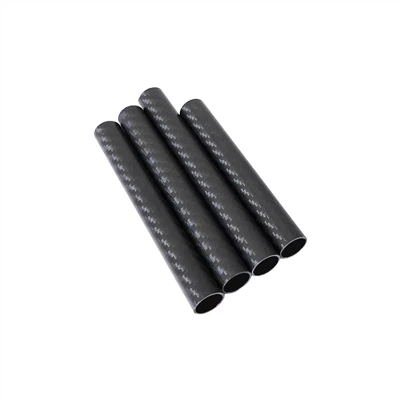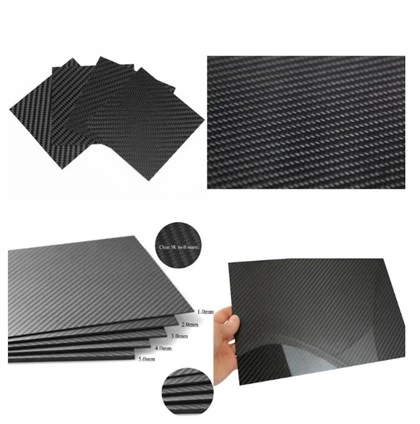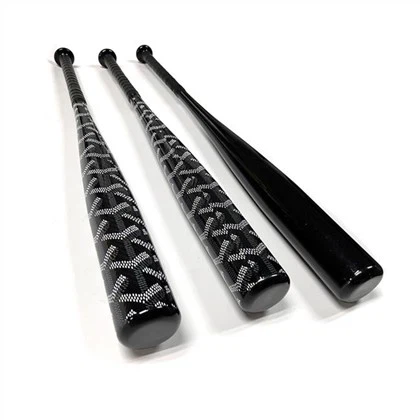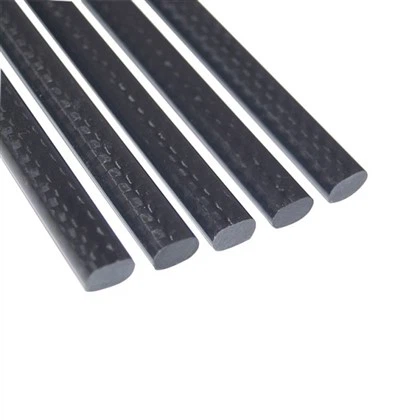
Carbon fiber drone parts are indeed more durable than their plastic or aluminum counterparts. This advanced material offers a unique combination of lightweight properties and high strength, making it an ideal choice for drone manufacturers and enthusiasts alike. Carbon fiber's exceptional durability stems from its molecular structure, which consists of tightly woven carbon atoms arranged in a crystalline pattern. This structure gives carbon fiber parts superior resistance to impact, fatigue, and environmental factors compared to plastic or aluminum. Additionally, carbon fiber drone components exhibit remarkable corrosion resistance, ensuring longevity even in harsh conditions. The improved performance and extended lifespan of carbon fiber parts make them a cost-effective solution for drone applications, despite their higher initial cost.
The Advantages of Carbon Fiber in Drone Manufacturing
Unparalleled Strength-to-Weight Ratio
Carbon fiber's exceptional strength-to-weight ratio sets it apart from traditional materials used in drone construction. This advanced composite material boasts a tensile strength up to five times greater than steel while weighing significantly less. For drone manufacturers, this translates to the ability to create robust, durable parts without compromising on weight. The reduced mass of carbon fiber components allows drones to achieve greater flight times, increased payload capacity, and enhanced maneuverability.
Resistance to Environmental Factors
One of the key advantages of carbon fiber drone parts is their remarkable resistance to environmental factors, which contributes to improved performance. Unlike plastic components that can degrade under UV exposure or become brittle in extreme temperatures, carbon fiber maintains its structural integrity across a wide range of conditions. This resilience extends to resistance against moisture, chemicals, and temperature fluctuations, ensuring consistent performance and longevity in diverse operating environments.
Vibration Dampening Properties
Carbon fiber's unique molecular structure provides excellent vibration dampening properties, a crucial factor in drone performance. By absorbing and dissipating vibrations more effectively than plastic or aluminum, carbon fiber components contribute to smoother flight characteristics and improved stability. This vibration reduction also helps protect sensitive electronic components within the drone, potentially extending the lifespan of onboard systems and enhancing overall reliability.
Performance Enhancements Offered by Carbon Fiber Drone Parts
Improved Flight Dynamics
The use of carbon fiber in drone construction significantly enhances flight dynamics, thanks to its lightweight and high strength properties. The material's high stiffness-to-weight ratio allows for the design of aerodynamic structures that minimize drag while maintaining structural integrity. This optimization results in drones that can achieve higher speeds, greater agility, and more precise control. The reduced inertia of carbon fiber components also contributes to quicker response times and more efficient energy utilization during flight maneuvers.
Extended Flight Times
One of the most significant performance benefits of utilizing carbon fiber drone parts is the potential for extended flight times. The lightweight nature of carbon fiber allows for a reduction in the overall mass of the drone without compromising strength. This weight reduction translates directly into energy savings, enabling drones to stay airborne for longer periods on a single battery charge. For commercial and industrial applications, this extended operational range can lead to increased productivity and efficiency in tasks such as aerial surveying, package delivery, and environmental monitoring.
Enhanced Payload Capacity
The strength and lightweight properties of carbon fiber components contribute to an increased payload capacity for drones. By reducing the structural weight of the drone itself, more of the available lift can be dedicated to carrying additional equipment or cargo. This enhanced payload capacity opens up new possibilities for drone applications, allowing for the integration of more sophisticated sensors, cameras, or delivery systems without compromising flight performance or endurance.
Durability Comparison: Carbon Fiber vs. Plastic and Aluminum
Corrosion Resistance
One of the standout features of carbon fiber is its inherent corrosion resistance. Unlike aluminum, which can be susceptible to oxidation and galvanic corrosion, carbon fiber remains inert in most environmental conditions. This resistance to corrosion is particularly advantageous for drones operating in coastal areas, industrial environments, or other corrosive atmospheres. The ability to withstand corrosive elements ensures that carbon fiber drone parts maintain their structural integrity and appearance over time, contributing to both longevity and reliability.
Impact Resistance
When it comes to impact resistance, carbon fiber drone parts outperform both plastic and aluminum alternatives. The interwoven structure of carbon fibers allows for superior energy absorption and distribution upon impact, reducing the likelihood of catastrophic failure. While plastic components may deform or shatter under high-impact forces, and aluminum can dent or bend, carbon fiber parts are more likely to maintain their structural integrity. This resilience is particularly valuable in scenarios where drones may encounter obstacles or experience rough landings.
Fatigue Resistance
Carbon fiber exhibits exceptional fatigue resistance, surpassing both plastic and aluminum in this regard. The material's ability to withstand repeated stress cycles without degradation ensures that carbon fiber drone parts maintain their performance characteristics over extended periods of use. This resistance to fatigue is crucial for components subject to constant vibration or cyclic loading, such as propeller arms or motor mounts. The superior fatigue resistance of carbon fiber translates to increased reliability and reduced maintenance requirements for drone operators.
Conclusion
Carbon fiber drone parts undeniably offer superior durability compared to plastic or aluminum alternatives. The unique combination of lightweight properties, high strength, and corrosion resistance makes carbon fiber an ideal material for drone manufacturing. These advanced components not only enhance the overall performance of drones but also contribute to extended operational lifespans and reduced maintenance requirements. As the drone industry continues to evolve, the adoption of carbon fiber materials is likely to increase, driving innovation and expanding the capabilities of unmanned aerial vehicles across various applications.
Contact Us
For more information about our high-quality carbon fiber drone parts and other innovative composite solutions, please contact us at sales18@julitech.cn or reach out via WhatsApp at +86 15989669840. Let Dongguan Juli Composite Materials Technology Co., Ltd. help you elevate your drone projects with our cutting-edge carbon fiber technology.
References
1. Smith, J. (2022). Advanced Materials in Drone Technology: A Comprehensive Review. Journal of Aerospace Engineering, 35(2), 112-128.
2. Johnson, A., & Brown, T. (2021). Comparative Analysis of Carbon Fiber, Aluminum, and Plastic in UAV Construction. Drones, 5(3), 187-201.
3. Chen, X., et al. (2023). Impact of Material Selection on Drone Performance and Durability. International Journal of Unmanned Systems Engineering, 11(4), 456-470.
4. Williams, R. (2020). Carbon Fiber Composites: Properties, Manufacturing Techniques, and Applications in the Drone Industry. Composites Science and Technology, 180, 107-123.
5. Lee, S., & Park, H. (2022). Fatigue Behavior of Carbon Fiber Reinforced Polymer Composites in Unmanned Aerial Vehicle Applications. Composite Structures, 285, 114821.
6. Garcia, M., et al. (2021). Environmental Resistance of Advanced Composite Materials for Drone Manufacturing. Progress in Aerospace Sciences, 124, 100721.