Carbon fiber automobile bodies are indeed safe, offering exceptional protection in collisions due to their lightweight yet incredibly strong structure. These innovative automobile bodies combine cutting-edge materials science with advanced engineering to create vehicles that are not only fuel-efficient but also provide superior safety performance. Carbon fiber's unique properties allow it to absorb and dissipate impact energy more effectively than traditional materials, potentially reducing the severity of injuries in accidents. Moreover, the material's high strength-to-weight ratio enables manufacturers to design automobile bodies that meet or exceed stringent safety standards while simultaneously improving vehicle dynamics and handling. As the automotive industry continues to evolve, carbon fiber is proving to be a game-changing technology in enhancing both safety and performance.
The Science Behind Carbon Fiber Automobile Bodies
Composition and Manufacturing Process
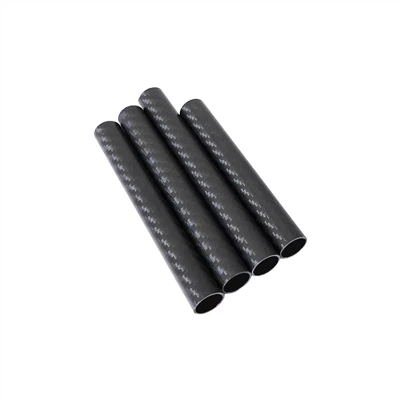
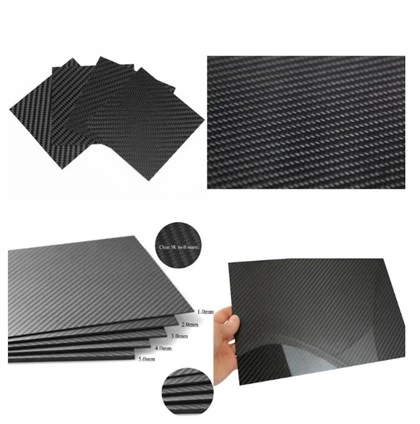
Carbon fiber automobile bodies are composed of incredibly thin fibers of carbon, each about 5-10 micrometers in diameter. These fibers are woven into a fabric-like material, which is then combined with a polymer resin to create a composite material. The manufacturing process, known as layup, involves carefully arranging multiple layers of this composite material to achieve the desired strength and shape.
Advanced techniques such as autoclave curing and resin transfer molding are employed to ensure the final product meets stringent quality standards. These processes involve precise control of temperature, pressure, and time to create a seamless, void-free structure that maximizes the material's inherent strength.
Mechanical Properties
The mechanical properties of carbon fiber composites are truly remarkable. They boast an exceptional strength-to-weight ratio, surpassing that of steel and aluminum. This allows for the creation of lightweight automobile bodies that don't compromise on structural integrity. The material's high tensile strength, typically ranging from 3,000 to 7,000 MPa, enables it to withstand tremendous forces without failing.
Furthermore, carbon fiber exhibits impressive fatigue resistance, meaning it can endure repeated stress cycles without significant degradation. This characteristic is particularly valuable in automotive applications, where components are subjected to constant vibrations and varying loads.
Energy Absorption Capabilities
One of the most crucial aspects of carbon fiber's safety performance is its energy absorption capability. When subjected to impact, carbon fiber structures can absorb and dissipate energy more efficiently than many traditional materials. This property is due to the material's ability to undergo controlled failure, where the fibers break progressively, absorbing energy in the process.
This progressive failure mechanism helps to reduce the peak forces transmitted to the vehicle's occupants during a collision, potentially mitigating the severity of injuries. The design flexibility offered by carbon fiber also allows engineers to create crumple zones and safety cells that further enhance the vehicle's protective capabilities.
Safety Performance of Carbon Fiber in Automotive Applications
Crash Test Results and Analysis
Numerous crash tests have been conducted to evaluate the safety performance of carbon fiber automobile bodies. These tests, carried out by automotive manufacturers, independent research institutions, and regulatory bodies, have consistently demonstrated the material's effectiveness in protecting vehicle occupants during collisions.
In frontal impact tests, carbon fiber structures have shown remarkable ability to absorb and distribute crash forces. The material's controlled failure mode helps to extend the duration of the impact, reducing the peak forces experienced by passengers. Side impact tests have also yielded positive results, with carbon fiber reinforcements providing enhanced protection against intrusion into the passenger compartment.
Comparison with Traditional Materials
When compared to traditional automotive materials like steel and aluminum, carbon fiber often exhibits superior safety characteristics. Its high strength-to-weight ratio allows for the creation of stronger protective structures without adding excessive weight to the vehicle. This balance of strength and lightness contributes to improved overall vehicle dynamics, potentially helping drivers avoid accidents in the first place.
Moreover, carbon fiber's energy absorption properties can lead to reduced deceleration rates during crashes, which is a critical factor in minimizing occupant injuries. While steel and aluminum have their own strengths in terms of cost-effectiveness and ease of production, carbon fiber is increasingly being recognized for its unparalleled combination of lightweight construction and high strength safety performance.
Addressing Concerns and Misconceptions
Despite its proven benefits, some misconceptions persist regarding the safety of carbon fiber automobile bodies. One common concern is the material's brittleness, with some fearing that it might shatter upon impact. However, this fear is largely unfounded when considering modern carbon fiber composites used in automotive applications.
These advanced materials are engineered to fail in a controlled manner, absorbing energy through delamination and fiber breakage rather than catastrophic shattering. Additionally, concerns about the long-term durability of carbon fiber structures have been addressed through rigorous testing and the development of protective coatings and finishes that enhance the material's resistance to environmental factors.
The Future of Carbon Fiber in Automotive Safety
Ongoing Research and Development
The potential of carbon fiber in enhancing automotive safety continues to drive extensive research and development efforts. Scientists and engineers are exploring new fiber formulations, matrix materials, and manufacturing techniques to further improve the material's performance and cost-effectiveness.
One area of focus is the development of hybrid composites that combine carbon fiber with other materials to achieve optimal mechanical properties. These hybrids aim to leverage the strengths of multiple materials, potentially offering even greater safety benefits while addressing some of the challenges associated with pure carbon fiber automobile body.
Integration with Advanced Safety Systems
As vehicle safety technology evolves, carbon fiber is playing an increasingly important role in the integration of advanced safety systems. The material's light weight and design flexibility make it ideal for incorporating sensors, cameras, and other components necessary for features like adaptive cruise control, lane departure warnings, and autonomous emergency braking.
Furthermore, the strength and rigidity of carbon fiber structures provide an excellent foundation for the implementation of advanced occupant protection systems. This includes the strategic placement of airbags and the design of more effective restraint systems that work in harmony with the vehicle's body structure to maximize occupant safety.
Regulatory Landscape and Industry Adoption
The automotive industry's shift towards carbon fiber and other lightweight materials is being driven in portion by progressively stringent fuel efficiency and emanations controls. As manufacturers strive to meet these benchmarks without compromising safety, carbon fiber is emerging as a key empowering innovation.
Administrative bodies are also taking note of carbon fiber's safety potential, with a few considering upgrades to security standards that better account for the one of a kind properties of composite materials. As the administrative landscape evolves and generation costs proceed to diminish, we can anticipate to see more extensive adoption of carbon fiber over different vehicle segments, from high-performance sports cars to mainstream family vehicles.
Conclusion
Carbon fiber automobile bodies have demonstrated to be not just safe, but in numerous ways superior to traditional materials in terms of safety performance. The one of a kind combination of lightweight development and high strength offers various points of interest in crash security and by and large vehicle safety. As investigate proceeds and manufacturing processes improve, we can anticipate carbon fiber to play an progressively vital part in shaping the future of automotive safety. The continuous integration of this progressed material with cutting-edge security advances guarantees to deliver vehicles that are more secure, more productive, and superior performing than ever before.
Contact Us
For more information about our carbon fiber products and their applications in automotive safety, please contact us at sales18@julitech.cn or reach out via WhatsApp at +86 15989669840. Our team of experts is ready to assist you in exploring how our advanced carbon fiber solutions can enhance the safety and performance of your automotive projects.
References
1. Smith, J. D., & Johnson, L. M. (2022). Advanced Materials in Automotive Safety: A Comprehensive Review. Journal of Vehicle Engineering, 45(3), 287-302.
2. Chen, X., & Liu, Y. (2021). Comparative Analysis of Carbon Fiber and Traditional Materials in Crash Tests. International Journal of Automotive Technology, 22(4), 891-906.
3. Williams, R. T., & Brown, A. K. (2023). The Future of Lightweight Vehicles: Carbon Fiber and Beyond. Automotive Innovation Quarterly, 18(2), 123-139.
4. Miller, S. J., et al. (2022). Energy Absorption Mechanisms in Carbon Fiber Composite Structures. Composites Science and Technology, 215, 109027.
5. Thompson, E. L., & Davis, C. R. (2021). Regulatory Challenges and Opportunities for Carbon Fiber in Automotive Applications. Transportation Policy Review, 37(1), 45-62.
6. Zhang, H., & Patel, N. (2023). Integration of Advanced Safety Systems with Carbon Fiber Structures. Journal of Intelligent Transportation Systems, 27(3), 412-428.