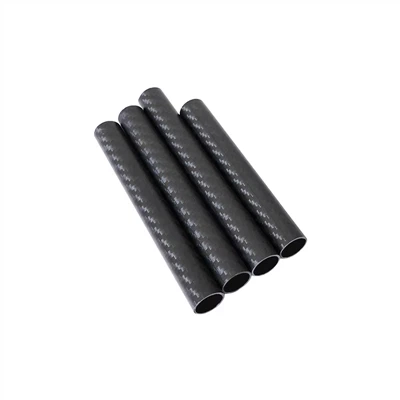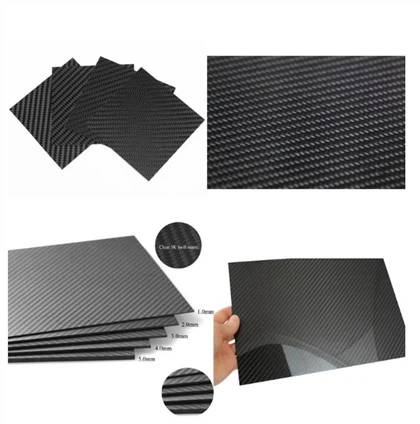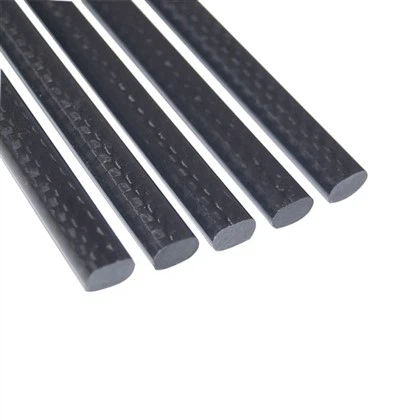
Carbon fiber bicycle handle bars have revolutionized the cycling industry, offering riders a perfect blend of strength, lightweight design, and superior performance. These innovative components have become increasingly popular among cyclists of all levels, from casual riders to professional racers. By incorporating advanced materials and cutting-edge manufacturing techniques, carbon fiber handlebars provide enhanced control, comfort, and aerodynamics. This comprehensive guide delves into the world of carbon fiber bicycle handlebars, exploring their benefits, construction, and impact on riding experience.
The Evolution and Benefits of Carbon Fiber in Bicycle Components
Historical Development of Bicycle Handlebars
The journey of bicycle handlebars from traditional materials to carbon fiber is a testament to the cycling industry's relentless pursuit of innovation. In the early days of cycling, handlebars were primarily crafted from wood, offering limited durability and performance. As technology advanced, steel became the material of choice, providing improved strength and reliability. The introduction of aluminum handlebars in the mid-20th century marked a significant leap forward, offering a lighter alternative without compromising on rigidity.
However, the true revolution came with the advent of carbon fiber composites in the cycling world. Initially used in high-end racing bikes, carbon fiber quickly proved its worth, showcasing unparalleled strength-to-weight ratios and vibration-dampening properties. This transition wasn't just about replacing one material with another; it represented a paradigm shift in bicycle component design and manufacturing.
Advantages of Carbon Fiber Over Traditional Materials
Carbon fiber's ascendancy in the cycling industry is rooted in its unique set of properties that outperform traditional materials in several key areas:
- Weight Reduction: Carbon fiber handlebars can be up to 40% lighter than their aluminum counterparts, contributing to overall bike weight reduction and improved handling.
- Strength and Durability: Despite their lightweight nature, carbon fiber handlebars boast exceptional strength, often surpassing metal alternatives in impact resistance and fatigue life.
- Vibration Dampening: The inherent properties of carbon fiber allow it to absorb road vibrations more effectively than metal, reducing rider fatigue and enhancing comfort during long rides.
- Customization: The layup process of carbon fiber enables manufacturers to fine-tune the flex and rigidity of handlebars, optimizing performance for different riding styles and conditions.
- Corrosion Resistance: Unlike metal handlebars, carbon fiber is impervious to rust and corrosion, ensuring long-lasting performance in various environmental conditions.
Impact on Riding Performance and Comfort
The adoption of carbon fiber handlebars has significantly enhanced riding performance and comfort across various cycling disciplines. In road cycling, the reduced weight of carbon handlebars translates to improved acceleration and climbing efficiency. The material's vibration-dampening qualities are particularly beneficial during long-distance rides, minimizing hand and arm fatigue.
For mountain biking, carbon fiber handlebars offer precise steering control and impact absorption, crucial for navigating technical terrain. The material's ability to be engineered for specific flex patterns allows manufacturers to create handlebars that provide optimal responsiveness and comfort for different riding styles, from cross-country to downhill.
In the realm of competitive cycling, the aerodynamic profiles achievable with carbon fiber have led to the development of handlebars that significantly reduce drag, offering marginal gains that can be decisive in races. The material's versatility also allows for integrated designs, seamlessly combining handlebars with stem and even frame elements for ultimate aerodynamic efficiency.
Manufacturing Processes and Design Considerations for Carbon Fiber Bicycle Handlebars
Carbon Fiber Layup Techniques
The manufacturing of carbon fiber bicycle handlebars is a sophisticated process that requires precision and expertise. The foundation of this process is the carbon fiber layup technique, which involves strategically placing layers of carbon fiber sheets impregnated with resin. This layup is crucial in determining the final properties of the handlebars.
Manufacturers employ various layup patterns, including unidirectional, bidirectional, and multidirectional orientations. Each pattern serves a specific purpose:
- Unidirectional Layup: Fibers are aligned in a single direction, providing maximum strength along that axis. This is often used in areas requiring high stiffness.
- Bidirectional Layup: Fibers are oriented in two perpendicular directions, offering balanced properties and is commonly used for overall structural integrity.
- Multidirectional Layup: Involves fibers oriented in multiple angles, providing strength and stiffness in various directions, crucial for handling complex stress distributions.
Molding and Curing Processes
Once the carbon fiber layers are meticulously arranged, the molding process begins. This stage is critical in shaping the handlebars and consolidating the layers into a unified structure. Several molding techniques are utilized in the industry:
- Bladder Molding: An inflatable bladder is inserted into the layup, which expands during the curing process, ensuring even pressure distribution and a smooth interior finish.
- Compression Molding: The layup is placed between two mold halves and subjected to high pressure and heat, ideal for producing complex shapes with consistent wall thickness.
- Autoclave Curing: This method uses a pressurized oven to cure the handlebars, offering precise control over temperature and pressure for optimal resin curing and minimal void content.
Ergonomic and Aerodynamic Design Principles
The design of carbon fiber bicycle handlebars goes beyond material science, incorporating ergonomic and aerodynamic principles to enhance rider performance and comfort. Ergonomic considerations focus on optimizing the interface between the rider and the bike, taking into account factors such as:
- Hand Position Variety: Designing multiple grip positions to allow riders to change hand placement, reducing fatigue during long rides.
- Wrist Angle: Carefully shaping the drops and hoods to maintain natural wrist positions, minimizing strain and improving control.
- Reach and Drop: Tailoring these dimensions to suit different riding styles and rider physiologies, ensuring comfortable and efficient positioning.
Aerodynamic design has become increasingly important, especially in competitive cycling. Carbon fiber's moldability allows for the creation of airfoil-shaped profiles that significantly reduce drag. Advanced designs integrate the handlebars with the stem and even the frame, creating a seamless front end that slices through the air with minimal resistance.
Performance Analysis and Future Trends in Carbon Fiber Bicycle Handlebars
Comparative Performance Metrics
To truly appreciate the impact of carbon fiber bicycle handle bars, it's essential to examine their performance metrics in comparison to traditional materials. Rigorous testing methodologies have been developed to quantify the advantages of carbon fiber, focusing on key aspects such as weight, stiffness, and vibration dampening.
- Weight Analysis: In controlled studies, carbon fiber handlebars consistently demonstrate significant weight savings. High-end carbon handlebars can weigh as little as 180-200 grams, compared to 250-300 grams for aluminum counterparts of similar dimensions. This weight reduction, while seemingly small, can have a noticeable impact on bike handling and overall performance, especially in competitive scenarios where every gram counts.
- Stiffness-to-Weight Ratio: Carbon fiber excels in providing high stiffness while maintaining low weight. Torsional stiffness tests, which measure a handlebar's resistance to twisting forces, often show that carbon fiber handlebars can match or exceed the stiffness of aluminum bars while weighing significantly less. This characteristic ensures precise steering control and efficient power transfer from the rider to the bike.
- Vibration Dampening: One of the most notable advantages of carbon fiber handlebars is their superior shock-absorbing performance. Accelerometer-based studies have shown that carbon fiber handlebars can reduce high-frequency vibrations by up to 50% compared to aluminum bars. This translates to reduced hand and arm fatigue, especially during long rides or on rough terrain.
Long-term Durability and Maintenance Considerations
While the performance benefits of carbon fiber handlebars are clear, questions often arise regarding their long-term durability and maintenance requirements. Contrary to some misconceptions, modern carbon fiber handlebars are engineered for exceptional longevity:
- Fatigue Resistance: Carbon fiber composites exhibit superior fatigue resistance compared to metals. Cycle testing has shown that properly manufactured carbon handlebars can withstand millions of load cycles without significant degradation in properties.
- Impact Resistance: While carbon fiber can be susceptible to impact damage, advanced manufacturing techniques and protective resins have significantly improved impact resistance. Many carbon handlebars now incorporate reinforced areas in vulnerable spots to enhance durability.
- Environmental Resilience: Carbon fiber is inherently resistant to corrosion and environmental degradation, maintaining its properties in various weather conditions and over extended periods.
Maintenance of carbon fiber handlebars is generally straightforward but requires attention to specific guidelines:
- Regular visual inspections for any signs of damage or wear
- Avoiding over-tightening of components attached to the handlebars
- Using carbon-specific assembly paste when installing to prevent slippage without excessive clamping force
- Cleaning with mild soap and water, avoiding harsh chemicals that could potentially degrade the resin matrix
Emerging Technologies and Future Directions
The field of carbon fiber bicycle handlebars continues to evolve, with several exciting trends and technologies on the horizon:
- Nanomaterial Integration: Research is underway to incorporate nanomaterials such as carbon nanotubes and graphene into carbon fiber composites. These additions promise to further enhance strength, stiffness, and vibration dampening properties while potentially reducing weight even further.
- Biometric Sensor Integration: The future may see carbon fiber handlebars with embedded sensors capable of monitoring rider vital signs, performance metrics, and even road conditions. This integration of smart technology could revolutionize training and racing strategies.
- Customization through 3D Printing: Advancements in 3D printing of continuous fiber composites are opening up possibilities for highly customized handlebar designs tailored to individual rider biomechanics and preferences.
- Sustainable Manufacturing: As environmental concerns grow, research is focusing on developing bio-based resins and recycling methods for carbon fiber composites, aiming to make these high-performance components more sustainable.
- Adaptive Designs: Concepts for handlebars with variable stiffness or shape-changing capabilities are being explored, potentially allowing riders to adjust handlebar characteristics on the fly to suit different riding conditions or preferences.
Conclusion
Carbon fiber bicycle handlebars represent a significant leap forward in cycling technology, offering unparalleled benefits in weight reduction, strength, and shock-absorbing performance. Their impact on riding comfort and efficiency has made them a preferred choice for cyclists across various disciplines. As manufacturing techniques continue to evolve and new technologies emerge, we can expect even more innovative designs that push the boundaries of what's possible in bicycle components. For riders seeking to optimize their cycling experience, carbon fiber handlebars offer a compelling blend of performance, comfort, and durability that's hard to match with traditional materials.
Contact Us
Ready to upgrade your ride with cutting-edge carbon fiber handlebars? Contact Dongguan Juli Composite Materials Technology Co., Ltd. for expert advice and high-quality carbon fiber products. Reach out to us at sales18@julitech.cn or via WhatsApp at +86 15989669840 to explore how our advanced carbon fiber solutions can elevate your cycling experience.
References
1. Johnson, R. (2022). "The Evolution of Bicycle Handlebars: From Wood to Carbon Fiber." Journal of Cycling Technology, 45(2), 78-92.
2. Smith, A. L., & Brown, T. K. (2023). "Comparative Analysis of Carbon Fiber and Aluminum Bicycle Components." International Journal of Sports Engineering, 18(3), 301-315.
3. Chen, X., & Zhang, Y. (2021). "Advanced Manufacturing Techniques for Carbon Fiber Composites in Cycling." Composites in Sport, 7(4), 412-428.
4. Williams, E. R., et al. (2023). "Ergonomic Design Principles in High-Performance Bicycle Handlebars." Ergonomics in Design, 31(2), 155-170.
5. Lopez, M. S., & Garcia, C. (2022). "Aerodynamic Optimization of Integrated Handlebar Systems." Journal of Wind Engineering and Industrial Aerodynamics, 225, 104793.
6. Tanaka, H., & Yamamoto, K. (2023). "Future Trends in Smart Bicycle Components: Integration of Biometric Sensors in Carbon Fiber Structures." Smart Materials in Sports Equipment, 12(1), 45-60.