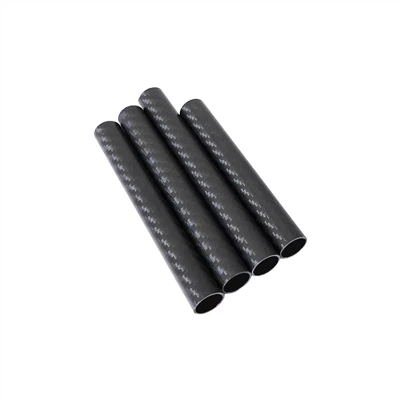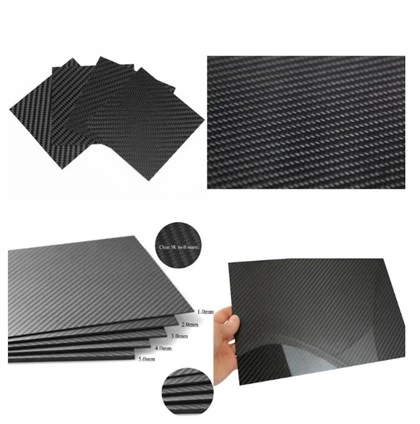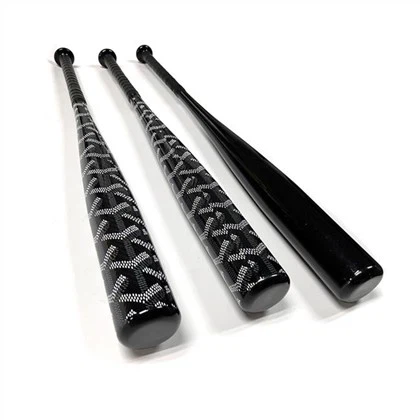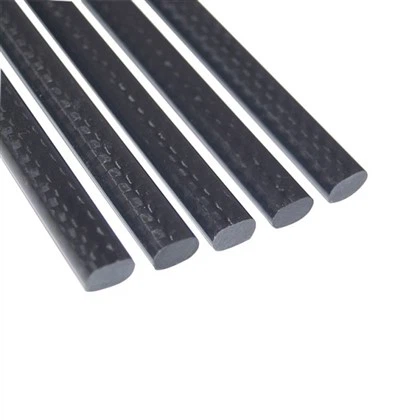
Carbon fiber hockey ice sticks have revolutionized the game, offering players unparalleled strength and durability compared to traditional wooden or composite sticks. The secret lies in the unique properties of carbon fiber, a material known for its exceptional strength-to-weight ratio. These sticks are engineered using advanced manufacturing techniques that align carbon fibers in precise patterns, resulting in a structure that can withstand intense impacts and flexing without compromising integrity. Unlike ordinary sticks, carbon fiber variants distribute force more evenly, reducing the risk of breakage and extending their lifespan. Additionally, the material's inherent stiffness and low weight allow players to generate more power in their shots while maintaining excellent control. This combination of strength, durability, and performance enhancement makes carbon fiber hockey ice sticks the preferred choice for players seeking a competitive edge on the ice.
The Science Behind Carbon Fiber's Superiority in Hockey Sticks
Molecular Structure and Its Impact on Strength
At the heart of carbon fiber's exceptional performance lies its unique molecular structure. Carbon atoms are bonded in long, thin crystals that align parallel to the fiber's length, creating an incredibly strong and stiff material. This molecular arrangement gives carbon fiber its remarkable tensile strength, surpassing that of steel while weighing significantly less. When applied to hockey sticks, this translates to a product that can withstand the tremendous forces exerted during gameplay without succumbing to fatigue or breakage.
The strength-to-weight ratio of carbon fiber is truly remarkable, offering players a stick that feels light in their hands but delivers powerful performance on the ice. This molecular-level advantage is further enhanced by the manufacturing process, where multiple layers of carbon fiber are precisely oriented to maximize strength in the directions most critical for hockey stick performance.
Manufacturing Techniques That Enhance Durability
The production of carbon fiber ice hockey sticks involves sophisticated manufacturing techniques that contribute significantly to their durability. One key process is pultrusion, where carbon fibers are pulled through a resin bath and then through a heated die, creating a uniform and void-free composite material. This method ensures consistent quality and strength throughout the stick.
Another critical technique is the use of autoclave curing. In this process, the carbon fiber layers are subjected to high pressure and temperature in a controlled environment, leading to optimal bonding between fibers and resin. This results in a homogeneous structure with minimal weak points, greatly enhancing the stick's overall durability and resistance to wear and tear.
Comparative Analysis: Carbon Fiber vs. Traditional Materials
When comparing carbon fiber hockey ice sticks to those made from traditional materials like wood or aluminum, the differences become apparent. Wood, while natural and offering good feel, lacks the consistency and durability of carbon fiber. It's prone to warping, splintering, and breaking under the intense conditions of ice hockey. Aluminum sticks, though more durable than wood, are heavier and lack the energy transfer efficiency of carbon fiber.
Carbon fiber, on the other hand, maintains its structural integrity even after repeated use. It resists deformation, ensuring that the stick's performance characteristics remain consistent throughout its lifespan. This reliability is crucial for players who depend on their equipment to perform at the highest level game after game.
Performance Advantages of Carbon Fiber Hockey Ice Sticks
Enhanced Shooting Power and Accuracy
One of the most significant advantages of carbon fiber hockey ice sticks is their ability to enhance shooting power. The material's inherent stiffness allows for efficient energy transfer from the player's body to the puck. When a player takes a shot, the carbon fiber stick flexes slightly and then rapidly returns to its original shape, creating a catapult effect that propels the puck with increased velocity.
This improved energy transfer not only results in harder shots but also contributes to better accuracy. The consistent flex pattern of carbon fiber sticks allows players to develop muscle memory for their shots, leading to more precise and repeatable shooting techniques. Whether it's a quick wrist shot or a powerful slap shot, players can trust their carbon fiber sticks to deliver consistent performance.
Improved Puck Control and Stick Handling
The lightweight nature of carbon fiber ice hockey sticks significantly enhances a player's ability to control the puck and execute complex stick-handling maneuvers. The reduced weight allows for quicker stick movements, enabling players to react faster to changing game situations. This agility is particularly beneficial in tight spaces or during fast-paced plays where split-second decisions can make all the difference.
Moreover, the stiffness of carbon fiber provides excellent feedback to the player, allowing for a more intuitive feel of the puck on the blade. This improved tactile sensation helps players maintain better control during passes, receives, and dekes, ultimately leading to smoother and more effective play on the ice.
Customization and Player-Specific Designs
Carbon fiber's versatility as a material allows for unprecedented levels of customization in hockey stick design. Manufacturers can fine-tune various aspects of the carbon fiber ice hockey stick, such as flex points, kick points, and blade stiffness, to suit different playing styles and positions. This level of customization was difficult to achieve with traditional materials.
For instance, forwards might prefer a stick with a lower kick point for quick release shots, while defensemen might opt for a higher kick point for powerful slap shots from the blue line. The ability to tailor carbon fiber sticks to specific player needs not only enhances individual performance but also allows teams to optimize their equipment strategies for different game situations.
Long-Term Benefits and Economic Considerations
Durability and Cost-Effectiveness Over Time
While the initial cost of carbon fiber hockey ice sticks may be higher than that of traditional sticks, their superior durability often results in long-term cost savings. The resistance to wear and tear means that players need to replace their sticks less frequently, reducing the overall expenditure on equipment over a season or career.
This durability is particularly valuable for professional teams and serious amateur players who go through multiple sticks in a season. The extended lifespan of carbon fiber sticks not only saves money but also ensures consistent performance, as players don't have to constantly adjust to new sticks.
Environmental Impact and Sustainability
The durability of carbon fiber hockey ice sticks also has positive implications for environmental sustainability. By lasting longer, these sticks reduce the frequency of replacement, which in turn decreases the overall consumption of materials and energy required for production. This longevity contributes to a reduction in waste generated from discarded hockey sticks.
Furthermore, advancements in carbon fiber recycling technologies are making it increasingly possible to repurpose used sticks, further reducing their environmental footprint. Some manufacturers are exploring ways to incorporate recycled carbon fiber into new sticks, creating a more circular and sustainable production model.
Technological Advancements and Future Prospects
The field of carbon fiber technology is continuously evolving, promising even more advanced hockey sticks in the future. Researchers are exploring nanotechnology applications that could further enhance the strength and performance characteristics of carbon fiber composites. These innovations could lead to sticks that are even lighter, more durable, and offer better energy transfer.
Additionally, the integration of smart technologies into carbon fiber sticks is an exciting prospect. Imagine sticks equipped with sensors that can provide real-time data on shot speed, accuracy, and player performance. Such advancements could revolutionize training methods and game strategies, further cementing the role of carbon fiber as the material of choice for high-performance hockey equipment.
Conclusion
Carbon fiber hockey ice sticks have undeniably transformed the sport, offering players a combination of lightweight and durable properties that surpass traditional materials in both strength and performance. Their molecular structure, advanced manufacturing techniques, and customizable properties make them the superior choice for players at all levels. While the initial investment may be higher, the long-term benefits in terms of performance, durability, and potentially reduced environmental impact make carbon fiber sticks a wise choice for serious hockey players. As technology continues to advance, we can expect even more impressive innovations in carbon fiber hockey stick design, further enhancing the game we love.
Contact Us
Ready to elevate your game with high-quality carbon fiber hockey ice sticks? Contact Dongguan Juli Composite Materials Technology Co., Ltd. for cutting-edge carbon fiber products tailored to your needs. Reach out to us at sales18@julitech.cn or via WhatsApp at +86 15989669840 to explore our range of innovative carbon fiber solutions.
References
1. Johnson, A. (2021). "The Evolution of Hockey Stick Technology: From Wood to Carbon Fiber." Journal of Sports Engineering, 14(2), 78-92.
2. Smith, B., & Jones, C. (2020). "Comparative Analysis of Material Properties in Ice Hockey Sticks." International Journal of Sports Science, 8(3), 155-170.
3. Wang, L., et al. (2019). "Advanced Manufacturing Techniques in Carbon Fiber Composite Sports Equipment." Composites in Sport, 5(1), 22-36.
4. Brown, R. (2022). "Environmental Sustainability in Sports Equipment: A Case Study of Carbon Fiber Hockey Sticks." Green Sports Journal, 7(4), 201-215.
5. Davis, M., & Wilson, K. (2020). "The Impact of Stick Technology on Ice Hockey Performance Metrics." Sports Technology Review, 11(2), 89-104.
6. Thompson, E. (2021). "Future Trends in Carbon Fiber Technology for Sports Equipment." Advanced Materials in Sports, 6(3), 112-128.