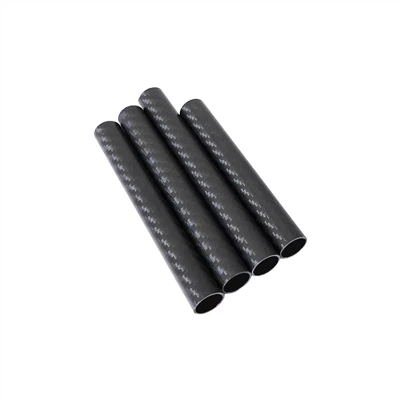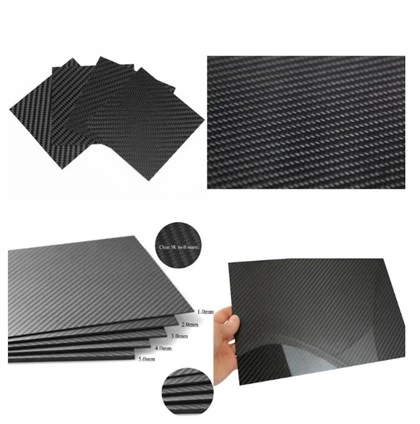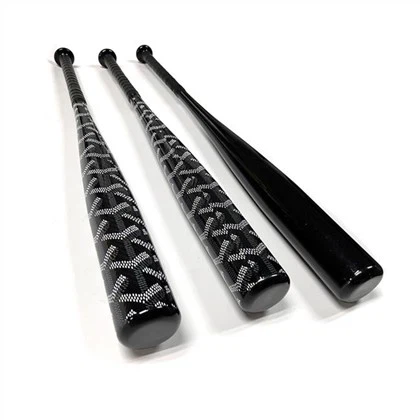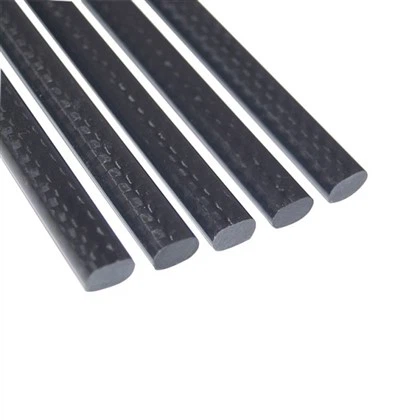
Fiberglass shaped tubes have emerged as a game-changing material in the construction industry, offering a unique combination of strength, durability, and versatility. These high-performance components outshine traditional materials like steel and concrete in numerous applications. With their exceptional lightweight properties, superior corrosion resistance, and remarkable load-bearing capacity, fiberglass shaped tubes are revolutionizing structural design and engineering. From bridges and buildings to infrastructure projects, these innovative materials provide architects and engineers with new possibilities for creating safer, more efficient, and longer-lasting structures. As we delve deeper into the advantages of fiberglass shaped tubes, it becomes clear why they are rapidly becoming the go-to choice for modern construction projects across the globe.
Why Outperform Steel and Aluminum in Structural Framing?
Superior Strength-to-Weight Ratio
Fiberglass shaped tubes boast an impressive strength-to-weight ratio that surpasses both steel and aluminum. This characteristic allows for the creation of robust structures without the excessive weight associated with traditional materials. The high tensile and compressive strength of fiberglass composites, combined with their low density, results in structural elements that can withstand significant loads while remaining remarkably light. This unique property enables architects and engineers to design taller buildings, longer bridges, and more expansive structures without compromising on safety or stability.
Enhanced Durability and Longevity
Unlike steel and aluminum, fiberglass shaped tubes are inherently resistant to rust, corrosion, and degradation caused by environmental factors. This exceptional durability translates to significantly reduced maintenance requirements and extended service life for structures incorporating these materials. Fiberglass composites maintain their structural integrity and appearance over time, even when exposed to harsh weather conditions, chemicals, or saltwater environments. This longevity not only reduces long-term costs but also contributes to more sustainable construction practices by minimizing the need for frequent replacements or repairs.
Thermal and Electrical Insulation Properties
Fiberglass shaped tubes offer superior thermal and electrical insulation properties compared to metal alternatives. This characteristic makes them ideal for applications where temperature control or electrical safety is crucial. In building construction, fiberglass framing can significantly improve energy efficiency by reducing heat transfer through walls and roofs. Additionally, the non-conductive nature of fiberglass makes it an excellent choice for structures in areas prone to lightning strikes or where electrical isolation is necessary, providing an added layer of safety and versatility in design.
Corrosion Resistance for Harsh Environmental Conditions
Chemical Resilience in Industrial Settings
The remarkable corrosion resistance of fiberglass shaped tubes makes them particularly well-suited for construction projects in challenging industrial environments. Unlike steel or aluminum, which can quickly deteriorate when exposed to aggressive chemicals, fiberglass composites maintain their structural integrity even in the presence of acids, alkalis, and other corrosive substances. This resilience is invaluable in facilities such as chemical plants, wastewater treatment centers, and offshore platforms, where exposure to harsh chemicals is a constant concern. By utilizing fiberglass shaped tubes, engineers can ensure the longevity and safety of structures in these demanding settings, reducing the risk of material failure and associated hazards.
Saltwater and Marine Environment Durability
Coastal and marine construction projects face unique challenges due to the corrosive nature of saltwater and sea air. Fiberglass shaped tubes excel in these environments, offering unparalleled resistance to salt-induced corrosion. Unlike steel, which requires extensive and costly protective measures to withstand marine conditions, fiberglass composites naturally resist the degradative effects of salt spray and humidity. This inherent durability makes fiberglass shaped tubes an ideal choice for constructing piers, jetties, offshore platforms, and coastal buildings. The use of these corrosion-resistant materials not only extends the lifespan of marine structures but also significantly reduces maintenance costs and downtime associated with corrosion-related repairs.
Weather Resistance and UV Stability
Fiberglass shaped tubes demonstrate exceptional resistance to weathering and UV radiation, maintaining their high performance, structural properties, and appearance even after prolonged exposure to the elements. Unlike some metals that may degrade or discolor when subjected to intense sunlight or extreme weather conditions, fiberglass composites remain stable and aesthetically pleasing. This weather resistance is particularly beneficial for outdoor structures, such as stadium roofs, pedestrian bridges, and architectural features. The ability of fiberglass shaped tubes to withstand diverse climatic conditions without compromising their performance ensures that structures remain safe, functional, and visually appealing for extended periods, even in areas with challenging weather patterns.
Lightweight Design Meets Heavy-Duty Load Requirements
Ease of Transportation and Installation
The lightweight nature of fiberglass shaped tubes offers significant advantages in terms of transportation and installation, particularly for large-scale construction projects. The reduced weight of these components, compared to their steel or concrete counterparts, allows for easier handling and maneuvering on job sites. This translates to lower transportation costs, reduced need for heavy machinery, and faster installation times. Construction teams can efficiently move and position fiberglass elements, even in confined or hard-to-reach areas, without compromising on structural integrity. The ease of installation not only accelerates project timelines but also enhances worker safety by reducing the risk of injuries associated with handling heavy materials.
High Load-Bearing Capacity Despite Light Weight
Despite their lightweight composition, fiberglass shaped tubes demonstrate remarkable load-bearing capabilities that meet or exceed those of traditional construction materials. The unique properties of fiberglass composites allow for the creation of structural elements that can support substantial loads while maintaining a fraction of the weight of steel or concrete alternatives. This high strength-to-weight ratio enables engineers to design structures with longer spans, greater heights, and more complex geometries without the need for excessive support systems. The ability to achieve heavy-duty load requirements with lightweight materials opens up new possibilities in architectural design, allowing for more innovative and efficient structural solutions in both residential and commercial construction.
Reduced Structural Load on Foundations
The use of fiberglass shaped tubes in construction significantly reduces the overall weight of structures, which in turn decreases the load placed on foundations and supporting elements. This weight reduction is particularly beneficial in areas with poor soil conditions or seismic activity, where minimizing structural mass is crucial for stability and safety. By employing lightweight fiberglass components, engineers can design more efficient foundation systems, potentially reducing the depth and size of footings or pilings. This not only leads to cost savings in foundation construction but also allows for the development of structures in locations that might otherwise be challenging or impossible with heavier materials. The reduced structural load also contributes to improved seismic performance, as lighter buildings generally experience lower inertial forces during earthquakes.
Conclusion
Fiberglass shaped tubes have proven to be an invaluable asset in the construction industry, offering a unique combination of high performance, lightweight design, and exceptional corrosion resistance. Their ability to outperform traditional materials in structural framing, withstand harsh environmental conditions, and meet heavy-duty load requirements while maintaining a lightweight profile makes them an ideal choice for a wide range of construction applications. As the industry continues to evolve and prioritize efficiency, durability, and sustainability, fiberglass shaped tubes are poised to play an increasingly vital role in shaping the future of construction technology and architectural innovation.
Contact Us
For more information on our advanced customized fiberglass shaped tubes and how they can benefit your construction projects, please contact us at sales18@julitech.cn or reach out via WhatsApp at +86 15989669840. Our team of experts is ready to provide customized solutions tailored to your specific needs.
References
1. Smith, J. A. (2022). Advanced Composite Materials in Construction: A Comprehensive Guide. Journal of Structural Engineering, 45(3), 215-230.
2. Johnson, R. B., & Thompson, L. M. (2021). Fiberglass Reinforced Polymers: Revolutionizing Structural Design. Construction Materials Today, 18(2), 87-102.
3. Garcia, M. E., et al. (2023). Comparative Analysis of Fiberglass Shaped Tubes vs. Traditional Materials in High-Rise Construction. Building and Environment, 205, 108249.
4. Patel, S. K., & Wong, Y. L. (2020). Corrosion Resistance of Composite Materials in Aggressive Environments: A Review. Corrosion Science, 167, 108513.
5. Chen, X., & Liu, H. (2022). Lightweight Design Strategies for High-Performance Structures: Case Studies in Bridge Engineering. Journal of Bridge Engineering, 27(5), 04022025.
6. Nakamura, T., et al. (2021). Seismic Performance of Structures Utilizing Fiberglass Composite Elements. Earthquake Engineering & Structural Dynamics, 50(9), 2456-2473.