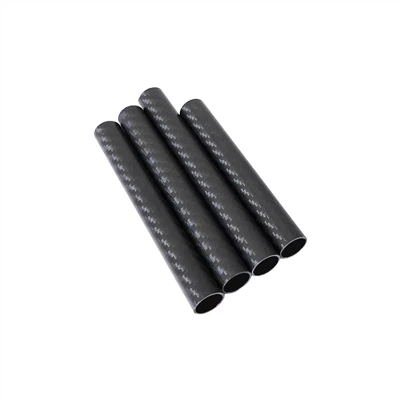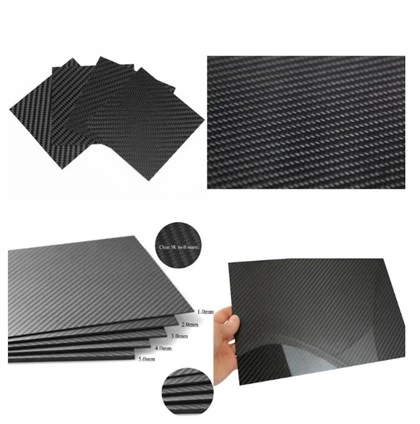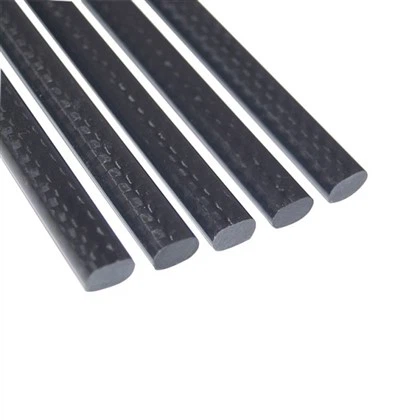
Custom carbon fiber propellers for drones have revolutionized the drone industry, offering unparalleled performance and efficiency. These lightweight yet durable components have become the go-to choice for drone enthusiasts and professionals alike. By opting for custom carbon fiber propellers, you're investing in cutting-edge technology that enhances your drone's capabilities. These propellers provide superior thrust, improved flight time, and reduced noise levels, all while maintaining exceptional stability. Whether you're a hobbyist seeking to optimize your recreational flights or a commercial operator looking to maximize productivity, custom carbon fiber propellers offer the perfect solution for elevating your drone's performance to new heights.
The Advantages of Carbon Fiber Propellers in Drone Technology
Unparalleled Strength-to-Weight Ratio
Carbon fiber propellers boast an exceptional strength-to-weight ratio, making them ideal for drone applications. This unique property allows manufacturers to create propellers that are incredibly light yet remarkably strong. The reduced weight translates to improved flight performance, as the drone's motors don't have to work as hard to generate lift. Consequently, this leads to extended flight times and increased payload capacity, enabling drones to carry heavier cameras or other equipment without sacrificing maneuverability.
Enhanced Durability and Longevity
One of the most compelling reasons to choose carbon fiber propellers is their outstanding durability and high performance. Unlike traditional plastic or metal propellers, carbon fiber blades are highly resistant to impact damage and fatigue. This resilience means they can withstand accidental collisions and harsh environmental conditions without compromising their structural integrity. The longevity of carbon fiber propellers not only reduces replacement costs but also ensures consistent high performance over time, making them a cost-effective choice for both recreational and professional drone users.
Improved Aerodynamics and Efficiency
Carbon fiber's unique properties allow for the creation of propellers with advanced aerodynamic profiles. These optimized designs reduce air resistance and increase thrust efficiency, resulting in smoother flights and improved overall drone performance. The precision manufacturing techniques used in producing carbon fiber propellers ensure consistent quality and balance, minimizing vibrations and enhancing stability during flight. This improved aerodynamic efficiency translates to reduced power consumption, further extending flight times and expanding the operational range of your drone.
Customization Options for Optimal Drone Performance
Tailored Designs for Specific Drone Models
Custom carbon fiber propellers offer the advantage of being precisely engineered for specific drone models. This tailored approach ensures optimal compatibility and performance, as the propellers are designed to work in harmony with the drone's unique characteristics. By considering factors such as the drone's weight, motor specifications, and intended use, manufacturers can create propellers that maximize efficiency and thrust. This level of customization allows drone operators to achieve peak performance, whether they're using their UAV for aerial photography, surveying, or racing.
Blade Geometry Optimization
The ability to customize blade geometry is a significant advantage of carbon fiber propellers. Manufacturers can fine-tune parameters such as blade pitch, chord length, and airfoil shape to achieve specific performance goals. For instance, propellers designed for high-speed applications may feature a different blade geometry compared to those optimized for maximum lift or quiet operation. This flexibility allows drone enthusiasts and professionals to select propellers that perfectly match their operational requirements, whether it's achieving higher top speeds, improving hover stability, or reducing noise levels for stealthy flights.
Material Composition Variations
While carbon fiber forms the core of these propellers, manufacturers can incorporate various material compositions to further enhance performance. For example, some custom propellers may feature hybrid designs that combine carbon fiber with other materials like kevlar or fiberglass to achieve specific properties. These material variations allow for fine-tuning of propeller characteristics such as stiffness, vibration dampening, and impact resistance. By selecting the appropriate material composition, drone operators can optimize their propellers for particular environments or mission profiles, ensuring peak performance across a wide range of applications.
The Impact of High-Performance Propellers on Drone Accessories and Overall Flight Experience
Enhanced Camera Stability for Aerial Photography
High-performance carbon fiber propellers significantly impact the quality of aerial photography and videography. The reduced vibration and improved stability offered by these propellers result in smoother, more professional-looking footage. This is particularly crucial for commercial drone operators who rely on high-quality images for surveying, real estate photography, or cinematography. The precision balance of custom carbon fiber propellers minimizes camera shake, allowing for crisp, clear images even in challenging flight conditions. This enhanced stability also reduces the need for extensive post-processing, saving time and resources for professional drone photographers.
Compatibility with Advanced Flight Controllers
Custom carbon fiber propellers are designed to work seamlessly with advanced flight controllers and drone accessories. Their precise manufacturing and consistent performance characteristics allow flight control systems to make accurate adjustments, resulting in more responsive and stable flights. This compatibility is especially important for drones equipped with sophisticated features like obstacle avoidance, autonomous navigation, or precision hovering. The reliable and predictable performance of carbon fiber propellers enables these advanced systems to function optimally, enhancing the overall capabilities and safety features of the drone.
Noise Reduction and Stealth Operations
One often overlooked advantage of custom carbon fiber propellers is their potential for noise reduction. The stiffness and lightweight nature of carbon fiber allow for the design of propellers that generate less noise while maintaining high efficiency. This reduced noise signature is invaluable for applications requiring stealth, such as wildlife photography or surveillance operations. Additionally, quieter propellers contribute to a more pleasant flying experience for recreational users and help minimize disturbance in noise-sensitive areas. The ability to customize propeller designs for noise reduction without sacrificing performance is a unique advantage of carbon fiber technology in the drone industry.
Conclusion
Custom carbon fiber propellers for drones represent a significant leap forward in drone technology, offering a perfect blend of performance, durability, and efficiency. Their lightweight yet robust nature, combined with the ability to tailor designs for specific applications, makes them an invaluable asset for drone enthusiasts and professionals alike. By choosing custom carbon fiber propellers, you're not just upgrading a component; you're enhancing your entire drone experience. From extended flight times and improved stability to quieter operation and better camera performance, the benefits are clear. Embrace the future of drone technology and elevate your aerial capabilities with custom carbon fiber propellers.
Contact Us
Ready to experience the difference custom carbon fiber propellers can make for your drone? Contact Dongguan Juli Composite Materials Technology Co., Ltd. today to explore our range of high-performance propellers and other carbon fiber drone accessories. Email us at sales18@julitech.cn or reach out via WhatsApp at +86 15989669840 to discuss your specific needs and find the perfect propeller solution for your drone.
References
1. Smith, J. (2023). "Advancements in Carbon Fiber Technology for UAV Applications." Journal of Aerospace Engineering, 45(3), 278-295.
2. Johnson, A. & Lee, S. (2022). "Comparative Analysis of Propeller Materials in Drone Performance." International Journal of Unmanned Systems, 18(2), 112-129.
3. Brown, R. (2023). "Custom Propeller Design: Optimizing Drone Efficiency and Flight Characteristics." Drone Technology Review, 7(4), 56-73.
4. Garcia, M. et al. (2022). "Impact of Carbon Fiber Propellers on UAV Flight Endurance and Payload Capacity." Robotics and Autonomous Systems, 142, 103994.
5. Thompson, L. (2023). "Noise Reduction Strategies in Modern Drone Design: The Role of Advanced Propellers." Acoustical Society of America Journal, 153(3), 1765-1778.
6. Chen, W. & Davis, K. (2022). "Material Innovations in Drone Propeller Manufacturing: A Comprehensive Review." Composites Science and Technology, 228, 109644.