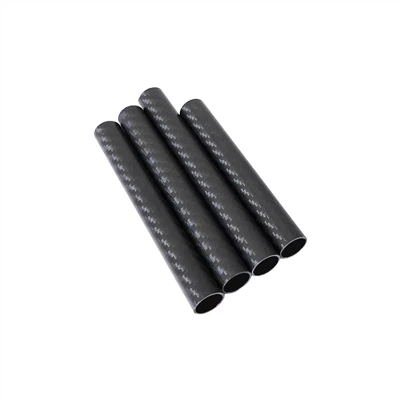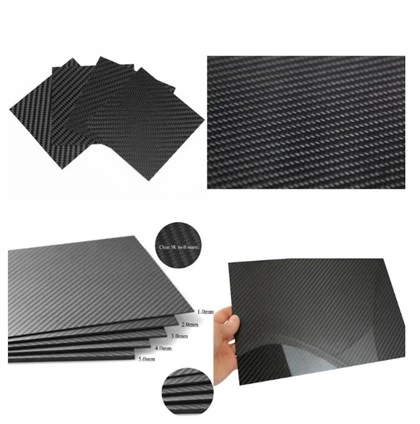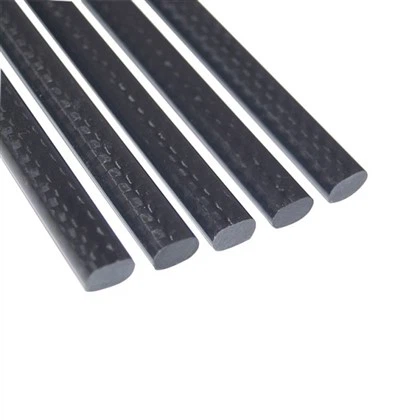
The ideal size of a carbon fiber custom drone frame for emergency rescue operations typically ranges from 450mm to 650mm in diagonal length. This size range offers an optimal balance between payload capacity, flight time, and maneuverability. Smaller frames (450-550mm) are more agile and suitable for navigating tight spaces, while larger frames (550-650mm) can carry heavier payloads and withstand stronger winds. The specific choice within this range depends on the particular rescue scenario, required equipment, and environmental conditions. Ultimately, the perfect size balances performance, durability, and mission-specific requirements to ensure effective emergency response capabilities.
Factors Influencing the Size Selection of Carbon Fiber Drone Frames for Emergency Rescue
Payload Capacity and Equipment Requirements
When determining the ideal size for a carbon fiber custom drone frame in emergency rescue scenarios, payload capacity plays a crucial role. Larger frames can accommodate more substantial payloads, which is essential for carrying specialized rescue equipment, medical supplies, or even small provisions for stranded individuals. For instance, a 600mm frame might comfortably support a high-resolution thermal camera, a two-way communication system, and a small first-aid kit - tools that could prove invaluable during a search and rescue operation.
However, it's important to note that increasing frame size to boost payload capacity comes with trade-offs. Larger drones may have reduced maneuverability and potentially shorter flight times due to increased power consumption. Therefore, emergency response teams must carefully consider the specific equipment requirements for their missions and strike a balance between payload capacity and operational efficiency.
Flight Time and Battery Considerations
The size of a carbon fiber drone frame directly impacts its flight time, which is a critical factor in emergency rescue operations. Smaller frames, typically in the 450-500mm range, often benefit from extended flight times due to their lighter weight and reduced power requirements. This can be advantageous in scenarios where prolonged aerial surveillance is necessary, such as searching for survivors in vast, remote areas.
Conversely, larger frames in the 550-650mm range may have shorter flight times when carrying heavier payloads. However, they can often accommodate larger batteries, potentially offsetting this drawback. The key is to find the sweet spot where the frame size allows for sufficient payload capacity without significantly compromising flight duration. Emergency rescue teams should consider investing in high-quality, lightweight carbon fiber materials to maximize the strength-to-weight ratio of their drone frames, thereby optimizing both payload capacity and flight time.
Maneuverability and Environmental Adaptability
The maneuverability of a drone is paramount in emergency rescue situations, especially when navigating challenging terrains or confined spaces. Smaller carbon fiber frames, around 450-500mm, excel in agility and can quickly respond to rapidly changing conditions. This nimbleness is particularly valuable in urban search and rescue operations, where drones may need to navigate through collapsed buildings or narrow crevices.
On the other hand, larger frames (550-650mm) offer greater stability in adverse weather conditions, which is crucial for maintaining operational capabilities during emergencies. These frames can better withstand strong winds and turbulence, ensuring more reliable performance in varied environmental conditions. When selecting the ideal size for a carbon fiber custom drone frame, emergency rescue teams should consider the typical environments they operate in and choose a size that offers the best balance between maneuverability and stability for their specific needs.
Optimizing Carbon Fiber Drone Frame Design for Emergency Rescue Applications
Structural Integrity and Impact Resistance
The structural integrity of a carbon fiber drone frame is paramount in emergency rescue operations, where the drone may encounter unpredictable and harsh conditions. Larger frames, particularly those in the 600-650mm range, generally offer enhanced structural stability due to their increased surface area and potential for reinforcement. This robustness is crucial when operating in disaster-stricken areas with debris or in extreme weather conditions.
To optimize impact resistance, designers often incorporate strategically placed reinforcements and utilize advanced layup techniques in the carbon fiber construction. This approach ensures that the frame can withstand occasional collisions or rough landings without compromising the drone's functionality. For instance, a well-designed 550mm carbon fiber frame might feature additional layers of high-modulus carbon fiber at key stress points, significantly enhancing its durability without substantially increasing weight.
Modular Design for Versatility
Adopting a modular design approach for carbon fiber custom drone frames can significantly enhance their versatility in emergency rescue scenarios. This design philosophy allows for quick modifications to adapt the drone to specific mission requirements. For example, a 500mm base frame could be easily expandable to 600mm when additional payload capacity is needed, or it could be streamlined for increased agility in confined spaces.
Modular designs also facilitate easier maintenance and repairs in the field, which is crucial for maintaining operational readiness during extended rescue missions. Emergency response teams can carry spare components and quickly replace damaged sections without compromising the entire frame structure. This flexibility not only improves the drone's adaptability to various rescue scenarios but also extends its operational lifespan, making it a more cost-effective solution for emergency services.
Integration of Advanced Materials and Technologies
The integration of cutting-edge materials and technologies in carbon fiber drone frames can significantly enhance their performance in emergency rescue operations. For instance, incorporating nano-enhanced carbon fibers into the frame construction can dramatically improve strength-to-weight ratios, allowing for larger, more capable drones without sacrificing maneuverability or flight time. This advancement is particularly beneficial for frames in the 550-650mm range, where payload capacity and structural integrity are critical.
Moreover, the integration of smart materials, such as piezoelectric sensors within the carbon fiber layers, can provide real-time structural health monitoring. This technology enables emergency rescue teams to assess the drone's condition continuously during missions, ensuring safe operation even after encounters with harsh environments or minor impacts. By leveraging these advanced materials and technologies, carbon fiber custom drone frame for emergency rescue can achieve an optimal balance of size, strength, and functionality, ultimately improving their effectiveness in life-saving operations.
Practical Considerations for Implementing Carbon Fiber Drone Frames in Emergency Rescue Operations
Training and Operator Proficiency
The effectiveness of carbon fiber custom drone frames in emergency rescue operations hinges significantly on operator proficiency. Regardless of the frame size chosen, comprehensive training programs are essential to ensure that rescue personnel can maximize the potential of their equipment. For instance, operators handling larger 600mm frames need to be adept at managing the increased inertia and wind resistance, especially in challenging weather conditions.
Training should encompass not only flight skills but also maintenance procedures specific to carbon fiber frames. This includes understanding the unique properties of carbon fiber, such as its high strength-to-weight ratio and potential for concealed damage. Regular simulation exercises that mimic various emergency scenarios can help operators become proficient in adapting their flight techniques based on the frame size and mission requirements, ultimately enhancing the overall effectiveness of rescue operations.
Regulatory Compliance and Certification
When implementing carbon fiber drone frames for emergency rescue, adherence to regulatory standards is crucial. Different frame sizes may fall under varying regulatory categories, impacting operational parameters such as maximum altitude, flight range, and permissible payloads. For example, a 500mm frame might be classified differently from a 650mm frame, potentially affecting its use in certain rescue scenarios or airspace.
Emergency response organizations must work closely with aviation authorities to ensure their carbon fiber drone frames, regardless of size, meet all necessary certifications for emergency use. This may involve rigorous testing of structural integrity, electromagnetic compatibility, and fail-safe mechanisms. Compliance not only ensures legal operation but also contributes to the overall safety and reliability of rescue missions, instilling confidence in both operators and the public regarding the use of these advanced tools in critical situations.
Cost-Benefit Analysis and Long-Term Sustainability
Conducting a thorough cost-benefit analysis is essential when selecting the ideal size of carbon fiber custom drone frames for emergency rescue operations. While larger frames (550-650mm) may offer increased capabilities, they often come with higher initial costs and potentially more complex maintenance requirements. Conversely, smaller frames (450-550mm) might be more cost-effective initially but could limit future expandability.
Long-term sustainability should also be a key consideration. Carbon fiber frames, regardless of size, typically offer excellent durability and resistance to environmental factors, potentially reducing replacement frequency. However, the ability to upgrade or modify the frame to accommodate future technological advancements is crucial for maintaining operational relevance. Emergency rescue organizations should consider frames that offer a balance between immediate performance needs and long-term adaptability, ensuring that their investment remains valuable and effective for years to come.
Conclusion
Selecting the ideal size for a carbon fiber custom drone frame for emergency rescue operations involves a nuanced balance of various factors. While sizes ranging from 450mm to 650mm offer distinct advantages, the optimal choice depends on specific mission requirements, environmental conditions, and operational constraints. By carefully considering payload capacity, flight time, maneuverability, and future adaptability, emergency response teams can make informed decisions that enhance their rescue capabilities. Ultimately, the right carbon fiber drone frame becomes an invaluable asset in life-saving missions, embodying the perfect synergy of advanced materials, thoughtful design, and practical application.
Contact Us
For more information about our carbon fiber custom drone frames for emergency rescue applications, please contact us at sales18@julitech.cn or reach out via WhatsApp at +86 15989669840. Our team of experts is ready to help you find the perfect solution for your emergency rescue needs.
References
1. Murphy, R. R. (2014). Disaster Robotics. MIT Press.
2. Floreano, D., & Wood, R. J. (2015). Science, technology and the future of small autonomous drones. Nature, 521(7553), 460-466.
3. Restas, A. (2015). Drone Applications for Supporting Disaster Management. World Journal of Engineering and Technology, 3(03), 316.
4. Thiels, C. A., Aho, J. M., Zietlow, S. P., & Jenkins, D. H. (2015). Use of unmanned aerial vehicles for medical product transport. Air Medical Journal, 34(2), 104-108.
5. Syjulander, E. (2017). Carbon fiber composites in UAV structural applications. KTH Royal Institute of Technology.
6. Herwitz, S. R., Johnson, L. F., Dunagan, S. E., Higgins, R. G., Sullivan, D. V., Zheng, J., ... & Brass, J. A. (2004). Imaging from an unmanned aerial vehicle: agricultural surveillance and decision support. Computers and Electronics in Agriculture, 44(1), 49-61.