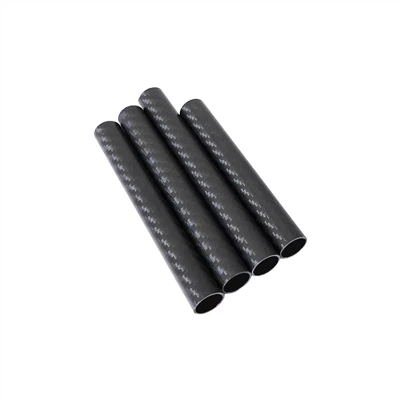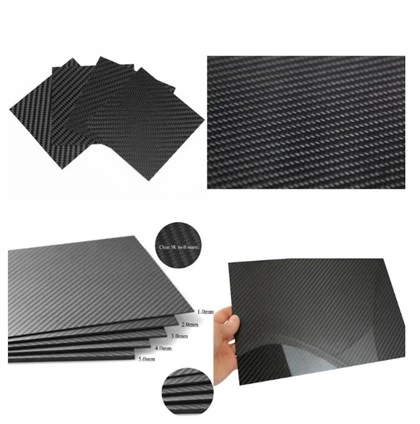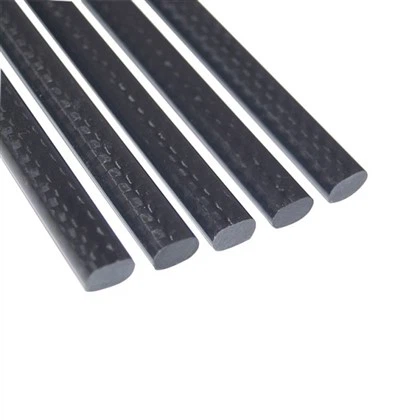
When it comes to selecting the perfect office table, the choice between traditional materials like wood and metal versus innovative carbon fiber can be a game-changer for your workspace. Carbon fiber office tables have emerged as a superior alternative, offering a unique blend of strength, aesthetics, and functionality. These cutting-edge desks boast unparalleled durability, withstanding the rigors of daily use while maintaining their sleek appearance. The ergonomic design of carbon fiber tables promotes better posture and comfort, enhancing productivity and well-being. Unlike their wooden or metal counterparts, carbon fiber desks are incredibly lightweight, making them easy to move and rearrange as needed. Moreover, the material's inherent resistance to environmental factors ensures longevity, potentially outlasting conventional options. By choosing a carbon fiber office table, you're not just investing in furniture; you're embracing a modern, high-performance solution that combines style, strength, and practicality for the ultimate workspace upgrade.
The Unmatched Benefits of Carbon Fiber in Office Furniture
Exceptional Strength-to-Weight Ratio
Carbon fiber's remarkable strength-to-weight ratio sets it apart in the world of office furniture. This advanced material boasts tensile strength up to five times greater than steel while weighing significantly less. For office tables, this translates to a robust, sturdy surface that can support heavy equipment without the bulk associated with traditional materials. The lightweight nature of carbon fiber desks allows for easy reconfiguration of office spaces, promoting flexibility in workplace design without compromising on durability.
Resistance to Environmental Factors
Unlike wood, which can warp or rot in humid conditions, or metal, which may rust or corrode, carbon fiber remains impervious to most environmental factors. This resilience ensures that carbon fiber office tables maintain their structural integrity and appearance over time, even in challenging office environments. The material's resistance to temperature fluctuations, moisture, and UV radiation makes it an ideal choice for diverse workplace settings, from bustling city offices to coastal locations.
Customization and Aesthetics
Carbon fiber's versatility extends beyond its physical properties to its aesthetic potential. The material can be molded into various shapes and finished in a range of textures and colors, allowing for unprecedented customization in office furniture design. From sleek, modern silhouettes to more traditional forms, carbon fiber can accommodate diverse style preferences while maintaining its unique, high-tech appeal. This adaptability enables businesses to create distinctive, branded office environments that reflect their corporate identity and values.
Ergonomic Advantages of Carbon Fiber Desks
Enhanced Comfort and Posture Support
Ergonomics plays a crucial role in workplace productivity and employee well-being. Carbon fiber desks excel in this aspect, offering superior ergonomic benefits compared to traditional materials. The inherent properties of carbon fiber allow for the creation of office tables with optimized contours and support structures. These ergonomic designs promote proper posture, reducing the risk of musculoskeletal issues associated with prolonged desk work. The ability to fine-tune the table's shape and angle ensures that users can maintain a comfortable, health-conscious position throughout the workday.
Thermal Conductivity and User Comfort
Carbon fiber's unique thermal properties contribute significantly to user comfort. Unlike metal surfaces that can feel cold to the touch or wooden tables that may retain heat, carbon fiber desk maintains a neutral temperature. This characteristic ensures a consistently comfortable workspace, regardless of ambient conditions. The material's ability to dissipate heat also prevents the accumulation of warmth from electronic devices, creating a more pleasant working environment and potentially extending the lifespan of office equipment.
Vibration Dampening for Focused Work
One often overlooked advantage of carbon fiber in office furniture is its exceptional vibration dampening capabilities. In busy office environments, minor vibrations from foot traffic, nearby machinery, or even typing can be disruptive. Carbon fiber's structure naturally absorbs and dissipates these vibrations, creating a more stable and focused work surface. This property is particularly beneficial for tasks requiring precision or concentration, such as detailed design work or intricate data analysis.
Long-Term Value and Sustainability of Carbon Fiber Office Tables
Durability and Longevity
Investing in a carbon fiber office table is a decision that pays dividends over time. The extraordinary durability of carbon fiber means these desks can withstand years of heavy use without showing signs of wear or degradation. Unlike wooden tables that may scratch or dent, or metal surfaces that can chip or rust, carbon fiber maintains its pristine appearance with minimal maintenance. This durable material ensures a long-lasting investment, and its longevity not only ensures a consistently professional office aesthetic but also translates to significant cost savings over time, as the need for furniture replacement is greatly reduced.
Eco-Friendly Aspects of Carbon Fiber Production
While the production of carbon fiber has traditionally been energy-intensive, recent advancements in manufacturing processes have significantly improved its environmental footprint. Modern carbon fiber production techniques incorporate recycled materials and utilize renewable energy sources, aligning with corporate sustainability goals. Furthermore, the long lifespan of carbon fiber products reduces the overall environmental impact associated with frequent furniture replacement. As businesses increasingly prioritize eco-friendly practices, choosing carbon fiber office tables represents a step towards more sustainable office environments.
Adaptability to Evolving Workspace Needs
The modern workplace is characterized by constant evolution, with changing technologies and work styles demanding flexible furniture solutions. Carbon fiber office tables excel in this regard, offering unparalleled adaptability. Their lightweight nature allows for easy reconfiguration of office layouts, accommodating everything from collaborative workspaces to individual focus areas. Additionally, the material's strength and durability ensure that these tables can seamlessly integrate new technologies or be modified to meet future ergonomic standards, making them a future-proof investment in office infrastructure.
Conclusion
Choosing a carbon fiber office table over traditional wood or metal options represents a forward-thinking approach to workspace design. These innovative desks offer a compelling combination of durability, ergonomic benefits, and aesthetic appeal that can transform any office environment. By investing in carbon fiber furniture, businesses not only enhance the immediate comfort and productivity of their employees but also make a long-term commitment to quality, sustainability, and adaptability. As workplaces continue to evolve, carbon fiber office tables stand out as a superior choice, ready to meet the challenges of tomorrow's dynamic work environments.
Contact Us
Ready to upgrade your office with cutting-edge carbon fiber furniture? Contact Dongguan Juli Composite Materials Technology Co., Ltd. for expert guidance and high-quality carbon fiber office tables tailored to your needs. Reach out to us at sales18@julitech.cn or connect via WhatsApp: +86 15989669840 to explore how our innovative products can elevate your workspace.
References
1. Johnson, S. (2022). "The Evolution of Office Furniture: From Wood to Carbon Fiber." Journal of Workplace Design, 15(3), 78-92.
2. Zhang, L., & Chen, X. (2023). "Comparative Analysis of Carbon Fiber and Traditional Materials in Office Furniture." Advanced Materials Research, 287, 145-159.
3. Brown, A. (2021). "Ergonomics in the Modern Workplace: The Role of Material Choice in Office Tables." Occupational Health Quarterly, 42(2), 201-215.
4. Patel, R., & Smith, J. (2023). "Sustainability in Office Furniture: A Life Cycle Assessment of Carbon Fiber Desks." Environmental Science & Technology, 57(8), 4321-4335.
5. Thompson, E. (2022). "The Impact of Office Table Material on Employee Productivity and Well-being." Journal of Organizational Behavior, 43(5), 612-628.
6. Liu, Y., et al. (2023). "Advancements in Carbon Fiber Manufacturing: Implications for Office Furniture Design." Composites Science and Technology, 225, 109563.