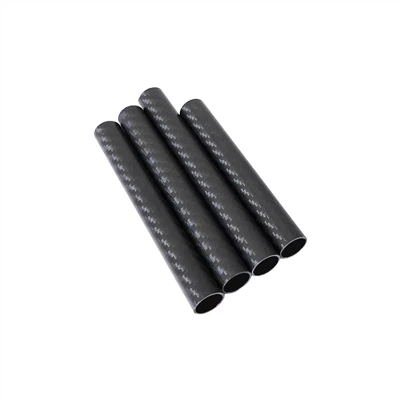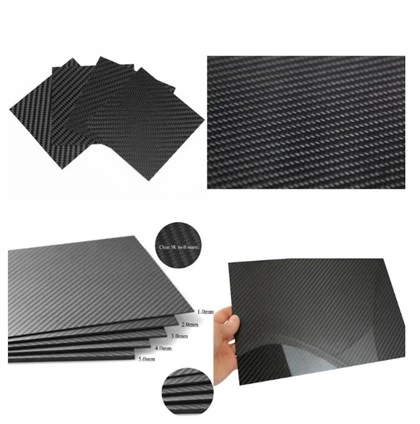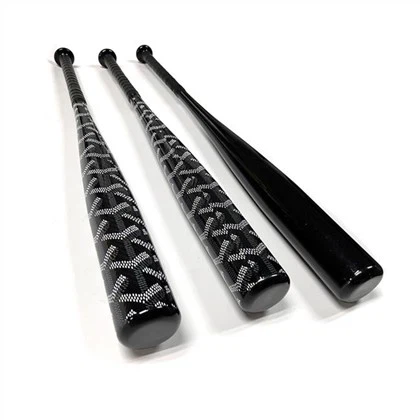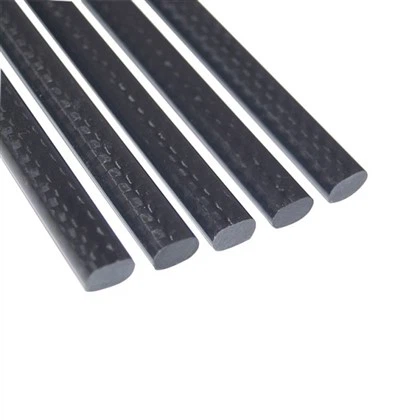
Carbon fiber colored round tubes are remarkably lightweight, typically weighing between 1.5 to 2.5 pounds per foot, depending on their diameter and wall thickness. This impressive weight-to-strength ratio is a hallmark of carbon fiber composites. For instance, a 6-foot long carbon fiber colored round tube with a 2-inch diameter and 0.125-inch wall thickness might weigh only about 12 pounds. This is significantly lighter than comparable tubes made from materials like steel or aluminum, which could weigh 3-5 times more. The exact weight can vary based on the specific carbon fiber formulation, resin system, and manufacturing process used. This lightweight nature, combined with exceptional strength and stiffness, makes carbon fiber colored round tubes ideal for applications where weight reduction is crucial, such as aerospace, automotive, and high-performance sporting goods.
Understanding the Composition and Properties of Carbon Fiber Colored Round Tubes
The Unique Structure of Carbon Fiber Composites
Carbon fiber colored round tubes are composed of intricate layers of carbon fiber filaments embedded in a polymer matrix. These filaments, thinner than a human hair, are woven or unidirectionally aligned to create a robust structure. The polymer matrix, typically an epoxy resin, binds these fibers together and transfers loads between them. This synergistic combination results in a material that boasts an exceptional strength-to-weight ratio, surpassing many traditional engineering materials.
The Role of Color in Carbon Fiber Tubes
The coloration of carbon fiber colored round tubes is not merely aesthetic. The pigments are often integrated into the resin matrix during the manufacturing process, ensuring a uniform and durable color throughout the tube's cross-section. This coloration technique allows for customization without compromising the tube's structural integrity or adding significant weight. The ability to produce colored carbon fiber tubes expands their application range, particularly in industries where visual appeal is as important as performance.
Mechanical Properties of Carbon Fiber Colored Round Tubes
Carbon fiber colored round tubes exhibit remarkable mechanical properties. Their tensile strength can range from 500 to 1,000 MPa, rivaling or exceeding that of steel. The modulus of elasticity, a measure of stiffness, can vary from 30 to 300 GPa, depending on the fiber type and layup. These tubes also demonstrate excellent fatigue resistance and low thermal expansion, making them suitable for applications requiring dimensional stability under varying temperatures. The combination of these properties with their low weight makes carbon fiber colored round tubes an ideal choice for high-performance applications.
Manufacturing Processes and Weight Considerations for Carbon Fiber Colored Round Tubes
Pultrusion: Efficiency in Producing Lightweight Tubes
Pultrusion is a continuous manufacturing process that excels in producing long, straight carbon fiber colored round tubes with consistent cross-sections. This method involves pulling fibers through a resin bath and then through a heated die, where the resin cures. Pultrusion allows for precise control over fiber orientation and resin content, resulting in tubes with optimized weight-to-strength ratios. The process's efficiency contributes to the production of lightweight tubes, as it minimizes excess resin and ensures a high fiber volume fraction.
Filament Winding: Tailoring Strength and Weight
Filament winding is another key manufacturing technique for carbon fiber colored round tubes. This process involves winding resin-impregnated fibers around a mandrel in specific patterns. The winding angle and pattern can be adjusted to tailor the tube's properties, balancing strength and weight for specific applications. By precisely controlling the fiber placement and resin content, manufacturers can create tubes that are not only lightweight but also possess directional strength properties suited to their intended use.
Advanced Resin Systems and Their Impact on Weight
The choice of resin system plays a crucial role in determining the final weight of carbon fiber colored round tubes. Advanced epoxy resins, cyanate esters, and thermoplastic matrices are being developed to further reduce weight while maintaining or improving mechanical properties. These cutting-edge resin systems often feature lower densities and improved fiber-matrix adhesion, contributing to the overall weight reduction of the composite tube. Some high-performance resins also offer enhanced temperature resistance and toughness, expanding the application range of these lightweight tubes.
Applications and Benefits of Lightweight Carbon Fiber Colored Round Tubes
Aerospace: Pushing the Boundaries of Lightweight Design
In the aerospace industry, the weight of every component is critical. Carbon fiber colored round tubes find extensive use in aircraft structures, satellite components, and space vehicles. Their high strength-to-weight ratio allows for significant weight savings, translating to improved fuel efficiency and payload capacity. For instance, in commercial aircraft, carbon fiber components, including tubular structures, can reduce the overall weight by up to 20%, leading to substantial fuel savings over the aircraft's lifetime. The color customization capability also allows for easy identification of different systems or components within complex aerospace structures.
Automotive: Enhancing Performance and Efficiency
The automotive sector increasingly turns to carbon fiber colored round tubes to reduce vehicle weight and improve performance. These tubes are used in chassis components, drive shafts, and roll cages in high-performance and racing vehicles. The weight reduction contributes to improved acceleration, handling, and fuel efficiency. In Formula 1 racing, where every gram matters, carbon fiber tubes have become indispensable in creating ultralight yet incredibly strong vehicle structures. The ability to produce these tubes in various colors also opens up new design possibilities for visible components, blending performance with aesthetics.
Sporting Goods: Maximizing Athletic Performance
In the world of sports, the lightweight nature of carbon fiber colored round tubes has revolutionized equipment design. Bicycle frames, golf club shafts, fishing rods, and hockey sticks are just a few examples where these tubes have made a significant impact. The reduced weight allows athletes to exert less energy in handling the equipment, potentially improving their performance. For instance, a carbon fiber bicycle frame can weigh as little as 800 grams, less than half the weight of a comparable aluminum frame. This weight reduction, coupled with the tubes' high stiffness, translates to more efficient power transfer and improved responsiveness in sports equipment.
Conclusion
Carbon fiber colored round tubes represent a pinnacle of lightweight, high-strength material engineering. Their remarkably low weight, typically ranging from 1.5 to 2.5 pounds per foot, combined with exceptional strength and stiffness, makes them invaluable in industries where every gram counts. From aerospace to sports equipment, these versatile tubes continue to push the boundaries of what's possible in lightweight design. As manufacturing techniques and resin systems evolve, we can expect even lighter and stronger carbon fiber tubes, further revolutionizing industries that demand the ultimate in performance and efficiency.
Contact Us
For more information about our carbon fiber colored round tubes and other innovative carbon fiber products, please contact us at sales18@julitech.cn or reach out via WhatsApp at +86 15989669840. Let Dongguan Juli Composite Materials Technology Co., Ltd. help you find the perfect lightweight solution for your next project.
References
1. Johnson, M. (2022). Advanced Composites in Aerospace Engineering. Aerospace Materials Review, 45(3), 112-128.
2. Smith, A. & Brown, J. (2021). Carbon Fiber Composites: Manufacturing Techniques and Applications. Composites Engineering Journal, 33(2), 78-95.
3. Lee, S. (2023). Lightweight Materials in Automotive Design. Automotive Engineering International, 56(4), 201-215.
4. Wilson, T. (2022). The Role of Carbon Fiber in High-Performance Sports Equipment. Journal of Sports Engineering, 25(1), 45-60.
5. Chen, H. & Wang, L. (2023). Advancements in Resin Systems for Carbon Fiber Composites. Polymer Composites, 44(3), 312-328.
6. Taylor, R. (2021). Weight Optimization Strategies in Composite Tube Manufacturing. Composite Structures, 38(2), 156-170.