What is Corrosion and Why Does it Matter?
Corrosion is a natural process whereby refined metals deteriorate over time into oxides, hydroxides or sulfides. In simple terms, it is the gradual breakdown of materials through chemical or electrochemical reactions with their environment, which poses a significant challenge to those involved in water sports.
Saltwater's Corrosive Power
Saltwater is particularly aggressive.The chloride ions it contains accelerate the corrosion process of metals such as steel and aluminum, which were once widely used in fishing rods and other water sports equipment, which can lead to weakened structures, stuck parts and compromised integrity.
Freshwater is Not Innocent
While not as corrosive as saltwater, freshwater still contains dissolved oxygen and minerals that can gradually degrade traditional materials, ultimately affecting their performance and durability.
Carbon Fiber: The Corrosion-Proof Solution
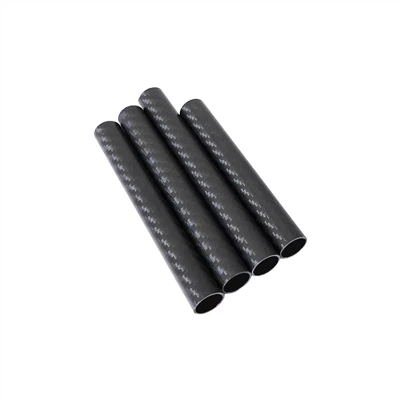
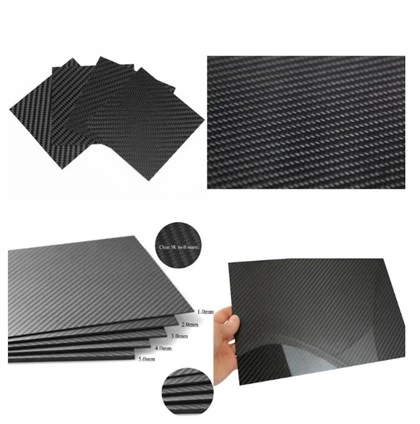
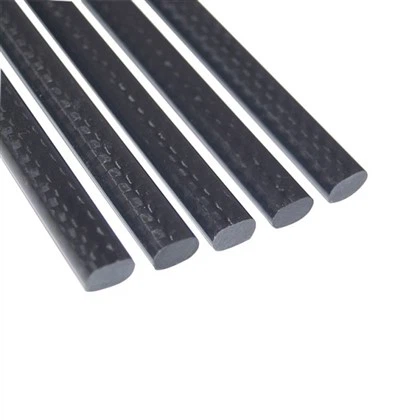
Carbon fiber, unlike metals, is a polymer composite made from fine, strong carbon filaments woven together and embedded in a resin. This distinctive structure makes it naturally resistant to water, salt, and most chemicals, as it is inherently inert and non-reactive.
Here's why that makes it the ideal material for your next fishing rod or paddle
Immunity to Rust and Degradation
Carbon fiber simply won't rust, which is its most significant advantage in water activities. Whether exposed to salty ocean spray, immersed in fresh water, or stored in a humid environment, carbon fiber fishing rods will not suffer the structural deterioration common to metal equipment. This will result in more durable equipment and a greater return on investment.
Maintains Peak Performance
Corrosion isn't just cosmetic, it can directly affect performance. A rusted fishing rod guide can damage your line, while a weakened rod shaft can break under the stress of a powerful catch. Because carbon fiber resists degradation, it maintains its strength, stiffness, and flexibility over time. This ensures your rod's sensitivity to detect subtle bites and its ability to cast and fight fish remain consistent.
Reduced Maintenance
Talk to any experienced angler about maintaining older rods with metal components, and you'll hear about the endless cycle of rinsing, drying, and applying lubricant to prevent corrosion. In contrast, carbon fiber rods require far less upkeep. Usually, a simple rinse with fresh water to clear away salt and dirt is enough-leaving you with more time to enjoy fishing, not maintaining your gear.
Lightweight Strength for All-Day Comfort
In addition to resisting corrosion, carbon fiber is highly valued for its exceptional strength-to-weight ratio. Compared to fiberglass or metal rods, a carbon fiber fishing rod is much lighter, helping reduce fatigue during long days on the water. This lighter weight also improves casting accuracy and overall control-without the strain of handling a heavy rod.
The benefits of carbon fiber's corrosion resistance extend across the entire spectrum of water sports
Kayak and Canoe Paddles
Providing a lightweight, stiff, and durable paddle that won't degrade from constant water exposure.
Spearfishing Equipment
Ensuring spearguns and poles remain strong and reliable in harsh marine environments.
Sailing and Boating Components
Used in masts, hulls, and other fittings where strength, low weight, and resistance to the elements are critical.
Conclusion
Choosing carbon fiber equipment is more than just embracing modern technology, it's about making a smart, long-term investment in your passion. Its resistance to corrosion means you buy gear that's durable, high-performance, and easy to maintain. When you're on the water, you need equipment you can trust. By eliminating the threat of corrosion, carbon fiber lets you focus on the thrill of your sport.
Contact Us
Ready to explore new equipment for carbon fiber materials? Contact Julitech today for expert insights and quality products. Contact us at sales18@julitech.cn or via WhatsApp +86 18822947075.