Flight Time Is Limited by Weight
For drone manufacturers, weight reduction is always a difficult balance.A commercial UAV is rarely built with only a motor and battery.Depending on the application, it may need:
- HD cameras for inspection
- LiDAR sensors for mapping
- Spraying systems for agriculture
- Communication modules for long-distance operation
The problem is simple:
More equipment creates more business value, but it also increases the drone's weight.A heavier structure requires more power, which reduces flight time.This is where carbon fiber drone frames become valuable.Instead of adding larger motors to compensate for weight, engineers can reduce the structural weight first.Carbon fiber provides high stiffness while keeping the overall structure lightweight.For a drone company developing an inspection UAV, this difference can determine whether the final product achieves a 25-minute flight time or reaches the 40-minute range.
Vibration Problems Can Affect the Accuracy of Professional Drones
Not all drone buyers are looking for speed.Many companies purchase UAVs because they need accurate data.Surveying companies, construction teams, and inspection providers rely on drones to collect information that supports important decisions.But vibration is a common problem.A small amount of vibration can affect:
- Camera stability
- Mapping accuracy
- Sensor performance
The rigidity of carbon fiber helps maintain the structural stability during flight. This is precisely one of the reasons why carbon fiber components are widely used in professional unmanned flight systems.For example, a drone carrying a high-resolution mapping camera needs a frame that remains rigid even when operating in windy outdoor conditions.The goal is not merely to make the drones lighter but to make the system operate more efficiently.
Outdoor Applications Require Materials That Can Survive Harsh Conditions
Many industrial drones do not operate indoors.They work near oceans, farms, construction sites, and power facilities.These environments create another challenge for manufacturers:Material durability.Metal components may experience corrosion after long-term exposure to moisture or salt environments.Plastic parts may not provide enough strength for heavy-duty applications.For companies purchasing UAV components, replacement cost is an important consideration.A drone that requires frequent maintenance creates additional downtime for end users.This is why carbon fiber components for drones are often selected for outdoor applications.Carbon fiber materials maintain excellent mechanical properties while also having outstanding environmental resistance.
Customization Is Becoming More Important for UAV Manufacturers
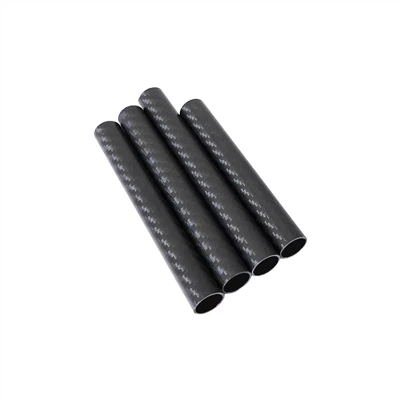
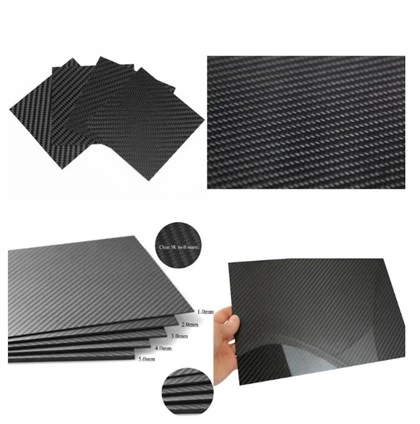
Drone applications are becoming more specialized.A delivery drone, inspection drone, and agricultural drone may have completely different structural requirements.One manufacturer may need lightweight carbon fiber tubes.Another may require custom carbon fiber plates or molded components.This creates a challenge for procurement teams.They are not only looking for a material supplier.They need a manufacturing partner who understands:
- Required strength
- Weight targets
- Production volume
- Application environment
For OEM drone manufacturers, the ability to customize carbon fiber drone parts is often as important as the material itself.
Conclusion
The growing use of carbon fiber in drone manufacturing is driven by real engineering challenges faced by UAV companies.Drone manufacturers are no longer only looking for lightweight materials. They need solutions that help their products achieve longer flight time, higher payload capacity, better stability, and reliable performance in complex environments.From inspection drones operating in harsh outdoor conditions to mapping UAVs carrying precision sensors, carbon fiber drone components provide the structural advantages needed for professional applications.However, choosing the right carbon fiber supplier is just as important as choosing the material itself. Consistent quality, manufacturing capability, and customization support directly affect the reliability of the final drone product.For UAV companies developing new platforms or upgrading existing designs, working with an experienced composite manufacturer can help reduce development risks and create more competitive drone solutions.
About Dongguan Juli Composite Material Technology Co., Ltd.
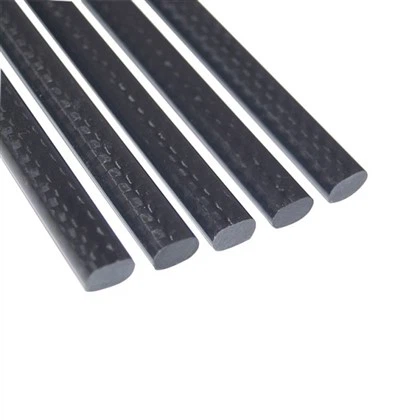
Dongguan Juli Composite Material Technology Co., Ltd. is a professional manufacturer specializing in the research, development, production, and application of carbon fiber composite materials and products.Established in 2011, the company focuses on providing high-performance carbon fiber solutions for industries including UAVs, industrial equipment, robotics, automotive applications, sports equipment, and precision machinery.With comprehensive composite manufacturing capabilities, the company supports various production processes, including carbon fiber pultrusion, filament winding, roll wrapping, autoclave molding, compression molding, and CNC machining. These capabilities allow the company to produce a wide range of carbon fiber products, including carbon fiber tubes, carbon fiber plates, carbon fiber rods, carbon fiber prepregs, and customized carbon fiber components.For drone manufacturers and UAV solution providers, the company provides customized carbon fiber parts designed according to specific requirements such as weight reduction, structural strength, dimensional accuracy, and production volume.Please feel free to contact us. Email: sales18@julitech.cn