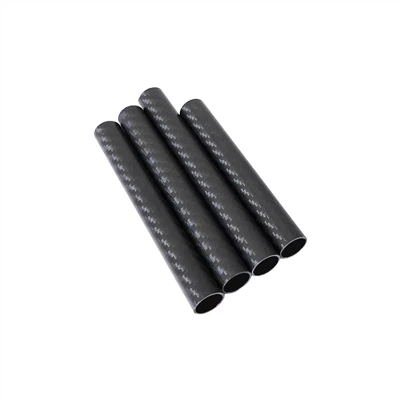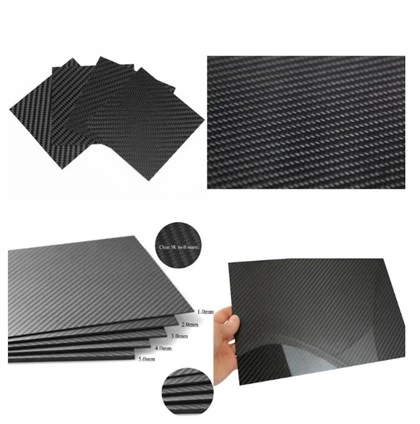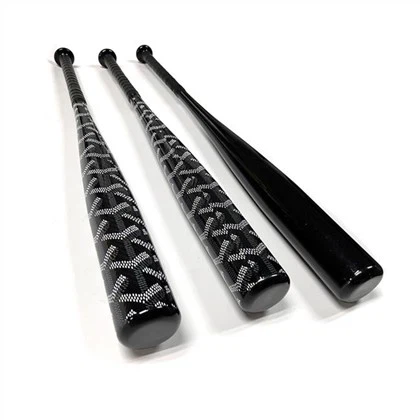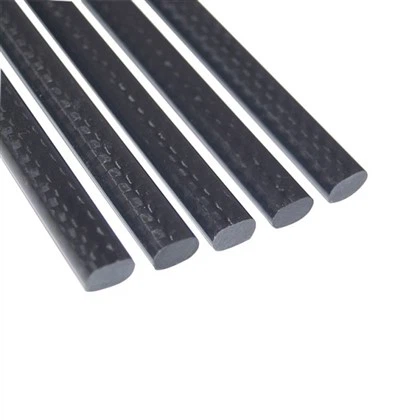
When it comes to designing high-performance drones, every component matters - especially the arms, which serve as the backbone of the structure. So, why are carbon fiber flat bars ideal for drone arms? The answer lies in their unparalleled blend of strength, lightness, and durability. These materials offer a high strength-to-weight ratio, meaning they provide exceptional rigidity without adding unnecessary bulk, which is crucial for improving flight efficiency and extending battery life. Their resistance to corrosion and fatigue ensures longevity, even under demanding conditions. With versatile applications, carbon fiber flat bars empower drone manufacturers to create sleek, aerodynamic designs that enhance performance, making them the go-to choice for cutting-edge aerial technology.
The Science Behind Carbon Fiber Flat Bars
The allure of carbon fiber flat bars begins with their remarkable composition, making them a standout choice for drone construction. Let's dive into the science that elevates these materials above traditional options like aluminum or steel, and why they're perfectly suited for drone arms.
Composition and Structure of Carbon Fiber
At the heart of carbon fiber lies a matrix of carbon atoms, intricately woven into microscopic filaments. These filaments are bundled together and embedded in a resin, creating a composite material renowned for its robustness. Unlike metals, which are isotropic, carbon fiber is anisotropic - its strength varies depending on the direction of the fibers. This property allows manufacturers to orient the fibers strategically, optimizing the material for specific load-bearing requirements, such as the torsional stresses drone arms endure during flight. The result is a component that's both rigid and lightweight, a hallmark of carbon fiber's appeal.
Unpacking the High Strength-to-Weight Ratio
One of the most celebrated attributes of carbon fiber flat bars is their high strength-to-weight ratio. This means they deliver exceptional structural integrity without the heft of traditional materials. In the context of drones, where every gram impacts flight duration and maneuverability, this characteristic is invaluable. A drone arm crafted from carbon fiber can withstand significant forces - such as vibrations from motors or impacts from minor collisions - while keeping the overall weight minimal. This balance enhances energy efficiency, allowing drones to stay airborne longer and carry heavier payloads, whether for aerial photography, surveying, or industrial inspections.
Durability and Resistance to Environmental Factors
Beyond strength and lightness, carbon fiber flat bars excel in longevity. Unlike metals, which can succumb to rust or corrosion, carbon fiber is impervious to moisture, chemicals, and UV radiation. This resilience is particularly advantageous for drones operating in diverse environments, from humid rainforests to arid deserts. Additionally, carbon fiber exhibits excellent fatigue resistance, meaning it can endure repeated stress cycles without degrading. For drone arms, which experience constant vibrations and dynamic loads, this durability translates to a longer lifespan and reduced maintenance costs, making carbon fiber a pragmatic choice for manufacturers aiming to deliver reliable, high-performance products.
Versatile Applications of Carbon Fiber Flat Bars in Drone Design
The adaptability of carbon fiber flat bars extends far beyond their mechanical properties, offering drone designers a canvas for innovation. Their versatile applications enable the creation of drones that are not only functional but also optimized for specific tasks, setting new benchmarks in aerial technology.
Enhancing Aerodynamics and Structural Efficiency
Aerodynamics play a pivotal role in drone performance, influencing speed, stability, and energy consumption. Carbon fiber flat bars, with their sleek profiles and customizable shapes, allow designers to craft drone arms that minimize air resistance. The material's inherent stiffness ensures that the arms maintain their shape under high-speed flight conditions, reducing drag and enhancing stability. This is particularly beneficial for racing drones or those used in precision agriculture, where streamlined designs can significantly boost operational efficiency. By leveraging carbon fiber, manufacturers can achieve a harmonious balance between form and function, elevating the overall performance of their drones.
Enabling Customization for Specialized Drone Functions
The beauty of carbon fiber lies in its malleability during the manufacturing process, which opens the door to bespoke designs tailored to niche applications. Whether it's a drone designed for heavy-lift cargo delivery or one engineered for long-range surveillance, carbon fiber flat bars can be molded to meet specific dimensional and strength requirements. This flexibility is a boon for industries like filmmaking, where drones need to support heavy camera rigs, or environmental monitoring, where lightweight yet durable frames are essential for extended missions. The ability to customize carbon fiber components ensures that drones can be purpose-built, giving manufacturers a competitive edge in meeting diverse market demands.
Supporting Lightweight Payload Integration
Payload capacity is a critical consideration in drone design, particularly for applications requiring advanced sensors, cameras, or delivery systems. Carbon fiber flat bars, with their high strength-to-weight ratio, allow designers to integrate sophisticated payloads without compromising the drone's agility or endurance. The reduced weight of the arms means more of the drone's power can be allocated to lifting and operating these payloads, rather than supporting the frame itself. This advantage is evident in drones used for search and rescue missions, where lightweight yet sturdy arms enable the addition of thermal imaging equipment or medical supplies, enhancing the drone's utility in critical situations.
Why Choose Carbon Fiber Flat Bars Over Alternatives?
While materials like aluminum, steel, and even titanium have their merits, carbon fiber flat bars offer a compelling suite of advantages that make them the preferred choice for drone arms. Understanding these benefits in comparison to alternatives highlights why carbon fiber is revolutionizing drone manufacturing.
Comparing Weight and Performance Metrics
Weight is a decisive factor in drone design, directly impacting flight time and energy efficiency. Aluminum, a common alternative, is lightweight compared to steel but still significantly heavier than carbon fiber. A drone arm made from aluminum might weigh twice as much as its carbon fiber counterpart, necessitating more powerful motors and larger batteries, which in turn increase costs and complexity. Carbon fiber flat bars, with their superior high strength-to-weight ratio, allow for leaner designs that maximize performance without the added bulk. This weight savings is particularly crucial for micro-drones or those designed for long-endurance missions, where every ounce matters.
Evaluating Cost-Effectiveness in the Long Run
At first glance, carbon fiber may appear more expensive than traditional materials, but a deeper analysis reveals its cost-effectiveness over time. The durability of carbon fiber flat bars means they require less frequent replacement or repair compared to metals, which can corrode or fatigue under stress. Additionally, the lightweight nature of carbon fiber reduces energy consumption, lowering operational costs for battery-powered drones. For manufacturers, the ability to produce high-performance drones with fewer resources - thanks to carbon fiber's versatile applications - can streamline production and enhance profitability. In essence, the initial investment in carbon fiber pays dividends through enhanced longevity and efficiency.
Addressing Design and Manufacturing Flexibility
One of the standout advantages of carbon fiber flat bars is their adaptability during the manufacturing process. Unlike metals, which often require extensive machining or welding, carbon fiber can be molded into complex shapes with relative ease, thanks to processes like pultrusion and autoclave curing. This flexibility allows for innovative designs that might be impractical or cost-prohibitive with other materials. For drone arms, this means manufacturers can experiment with unique geometries to optimize strength, reduce weight, or improve aerodynamics. The ability to push the boundaries of design without sacrificing performance underscores why carbon fiber is the material of choice for forward-thinking drone manufacturers.
Conclusion
Carbon fiber flat bars are transforming drone design, offering an unmatched combination of strength, lightness, and durability. Their high strength-to-weight ratio enhances flight efficiency, while their versatile applications enable innovative, purpose-built designs. Compared to alternatives, carbon fiber delivers superior performance and long-term value, making it the ideal choice for drone arms. As the drone industry continues to evolve, embracing advanced materials like carbon fiber is key to staying ahead of the curve.
Ready to elevate your drone designs?
Contact Us
Contact Dongguan Juli Composite Materials Technology Co., Ltd. at sales18@julitech.cn or WhatsApp us at +86 15989669840 to explore our cutting-edge carbon fiber solutions.
References
1. Gibson, R. F. (2016). Principles of Composite Material Mechanics. CRC Press.
2. Strong, A. B. (2008). Fundamentals of Composites Manufacturing: Materials, Methods, and Applications. Society of Manufacturing Engineers.
3. Mallick, P. K. (2007). Fiber-Reinforced Composites: Materials, Manufacturing, and Design. CRC Press.
4. Chung, D. D. L. (2010). Composite Materials: Science and Applications. Springer.
5. Soutis, C. (2005). Carbon Fiber Reinforced Plastics in Aircraft Construction. Materials Science and Engineering: A.
6. Hull, D., & Clyne, T. W. (1996). An Introduction to Composite Materials. Cambridge University Press.