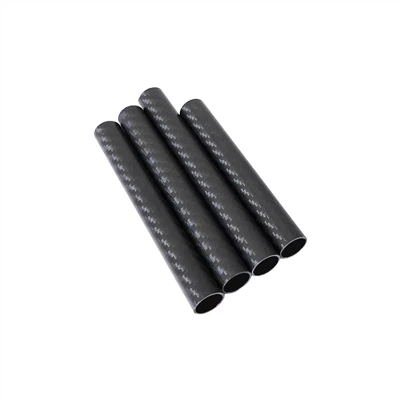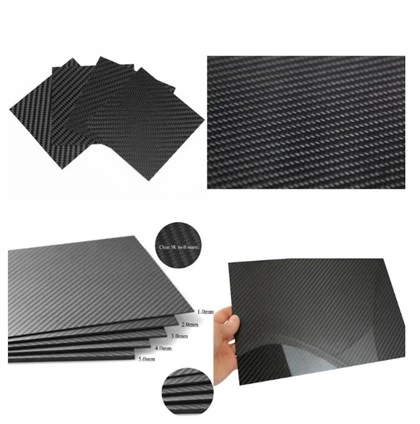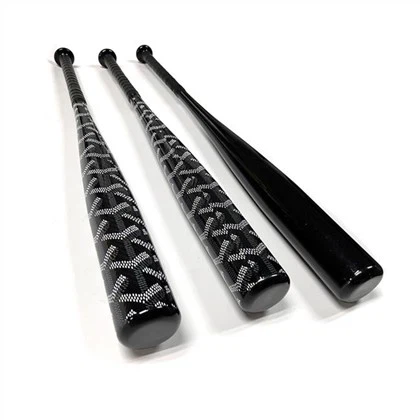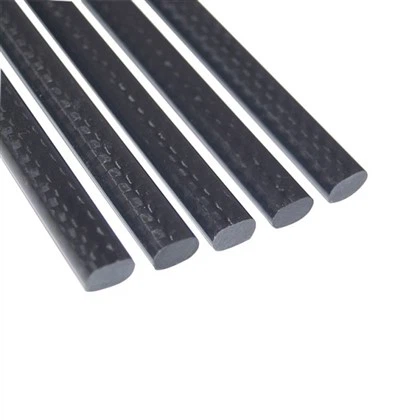
Aerospace engineers are always on the hunt for materials that push the boundaries of innovation, efficiency, and reliability. Custom carbon fiber panels have emerged as a top choice in this high-stakes industry, thanks to their unparalleled blend of strength, lightweight properties, and adaptability. These panels are engineered to meet the exacting demands of aerospace applications, offering high performance that traditional materials often struggle to match. Their durability ensures longevity even under extreme conditions, while their tailored designs allow for precision in complex projects. For engineers aiming to optimize aircraft performance, reduce fuel consumption, and enhance safety, custom carbon fiber panels are not just a preference - they're a necessity.
The Science Behind the Superiority of Custom Carbon Fiber Panels
Custom carbon fiber panels are revolutionizing aerospace engineering, but what makes them stand out? Let's dive into the science that fuels their growing popularity among experts in the field.
Unmatched Strength-to-Weight Ratio
Aerospace engineers prioritize materials that deliver exceptional strength without adding unnecessary heft. Carbon fiber panels excel in this area, boasting a strength-to-weight ratio that far surpasses metals like aluminum or steel. This lightweight advantage translates into significant fuel savings and improved payload capacity for aircraft. By opting for bespoke panels, engineers can ensure that every component is optimized for its specific role, reducing waste and enhancing efficiency. The ability to achieve such feats without compromising structural integrity is a game-changer in aerospace design.
Tailored Mechanical Properties
One of the standout features of custom carbon fiber panels is their adaptability. Through advanced manufacturing processes like pultrusion, molding, and autoclave techniques, these panels can be engineered to exhibit precise mechanical properties. Need a panel with enhanced tensile strength for a wing structure? Or perhaps one with superior stiffness for a fuselage? Customization allows engineers to fine-tune the fiber orientation, resin matrix, and layering to meet exact specifications. This level of precision ensures that each panel performs optimally under the unique stresses and strains of aerospace environments.
Resistance to Environmental Extremes
Aerospace components face some of the harshest conditions imaginable - extreme temperatures, high humidity, and corrosive elements. Custom carbon fiber panels are designed to withstand these challenges, offering remarkable durability that outlasts many traditional materials. Their resistance to corrosion, fatigue, and thermal expansion makes them ideal for long-term use in aircraft. By incorporating specialized coatings or resins, manufacturers can further enhance these properties, ensuring that panels remain robust even in the most demanding scenarios. This longevity not only improves safety but also reduces maintenance costs over the aircraft's lifecycle.
How Custom Carbon Fiber Panels Elevate Aerospace Innovation?
Innovation is the lifeblood of aerospace engineering, and custom carbon fiber panels are at the forefront of driving new possibilities. Here's how these advanced materials are shaping the future of flight.
Enabling Complex Aerodynamic Designs
Aerodynamics is a critical factor in aerospace performance, and custom carbon fiber panels offer unparalleled flexibility in design. Their moldability allows engineers to create intricate, aerodynamic shapes that reduce drag and enhance lift. Unlike rigid metals, carbon fiber can be shaped into smooth, contoured surfaces without sacrificing strength. This adaptability is particularly valuable in the development of next-generation aircraft, where every curve and angle must be optimized for efficiency. By leveraging bespoke panels, engineers can push the envelope of aerodynamic innovation, achieving feats that were once thought impossible.
Supporting High-Performance Applications
Aerospace projects demand materials that deliver high performance under extreme conditions, and custom carbon fiber panels rise to the occasion. Whether it's a satellite component enduring the vacuum of space or a jet engine part withstanding intense heat, these panels are engineered to excel. Their lightweight nature reduces the overall mass of the aircraft, allowing for faster speeds, greater fuel efficiency, and extended range. At the same time, their robustness ensures that they can handle the immense forces encountered during flight. This combination of attributes makes them indispensable in applications where performance is non-negotiable.
Facilitating Rapid Prototyping and Iteration
The aerospace industry thrives on innovation, but developing new designs can be time-consuming and costly. Custom carbon fiber panels streamline this process by enabling rapid prototyping and iterative testing. Advanced manufacturing techniques, such as winding and autoclave processes, allow for quick production of prototype panels tailored to specific designs. This agility empowers engineers to experiment with novel concepts, refine their approaches, and bring cutting-edge solutions to market faster. By fostering a culture of continuous improvement, these panels help aerospace companies stay ahead of the curve in a fiercely competitive industry.
The Practical Benefits of Choosing Custom Carbon Fiber Panels
Beyond their technical advantages, custom carbon fiber panels offer practical benefits that make them a smart choice for aerospace engineers. Let's explore how these panels deliver value in real-world applications.
Cost Efficiency Over the Long Term
While the initial investment in custom carbon fiber panels may be higher than traditional materials, their long-term cost efficiency is undeniable. Their lightweight properties reduce fuel consumption, which is a major expense in aerospace operations. Additionally, their durability minimizes the need for frequent repairs or replacements, lowering maintenance costs. Over the lifespan of an aircraft, these savings can add up significantly, making custom panels a financially savvy option. Aerospace engineers recognize this value, choosing materials that offer both performance and economic benefits.
Sustainability Through Efficiency
Sustainability is becoming a key consideration in aerospace engineering, and custom carbon fiber panels contribute to greener practices. Their lightweight design reduces fuel burn, which in turn lowers carbon emissions. Moreover, advancements in carbon fiber manufacturing, such as recycling and the use of bio-based resins, are making these materials even more eco-friendly. By opting for bespoke panels, engineers can minimize waste during production, as each component is crafted to precise specifications. This efficiency not only benefits the environment but also aligns with the industry's growing emphasis on sustainable innovation.
Seamless Integration into Existing Systems
Aerospace projects often involve retrofitting or upgrading existing aircraft, and custom carbon fiber panels excel in these scenarios. Their versatility allows them to be seamlessly integrated into a wide range of systems, from legacy aircraft to cutting-edge drones. Manufacturers can produce panels that match existing dimensions, mounting points, and performance requirements, ensuring a perfect fit. This compatibility reduces downtime during installation and minimizes the need for extensive modifications. For engineers tasked with improving older systems or designing new ones, the adaptability of custom panels is a major advantage.
Conclusion
Custom carbon fiber panels have become the go-to choice for aerospace engineers, thanks to their lightweight strength, high performance, and durability. These panels empower innovation, enhance efficiency, and deliver practical benefits that align with the industry's demanding standards. By choosing bespoke solutions, engineers can unlock new possibilities in design, performance, and sustainability, ensuring their projects soar above the competition. Ready to elevate your aerospace applications?
Contact Us
Contact Dongguan Juli Composite Materials Technology Co., Ltd. at sales18@julitech.cn or WhatsApp at +86 15989669840 to explore how our advanced carbon fiber solutions can meet your needs.
References
1. Soutis, C. (2005). "Carbon Fiber Reinforced Plastics in Aircraft Construction." Materials Science and Engineering: A.
2. Campbell, F. C. (2010). Structural Composite Materials. ASM International.
3. Harris, B. (1999). Engineering Composite Materials. The Institute of Materials.
4. Mallick, P. K. (2007). Fiber-Reinforced Composites: Materials, Manufacturing, and Design. CRC Press.
5. Strong, A. B. (2008). Fundamentals of Composites Manufacturing: Materials, Methods, and Applications. Society of Manufacturing Engineers.
6. Gay, D., Hoa, S. V., & Tsai, S. W. (2003). Composite Materials: Design and Applications. CRC Press.