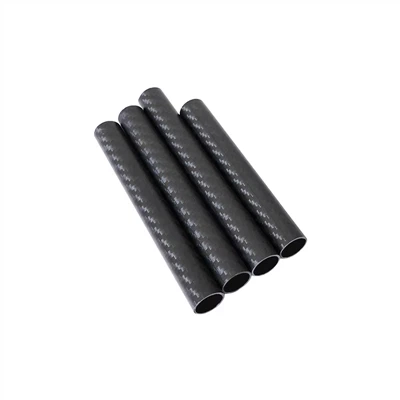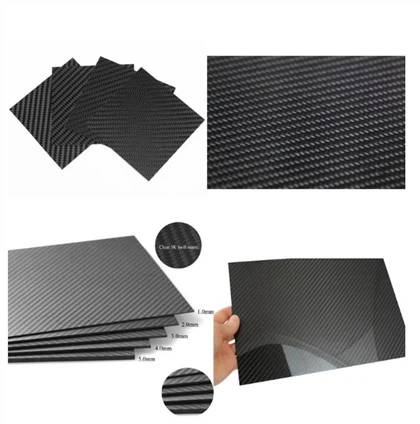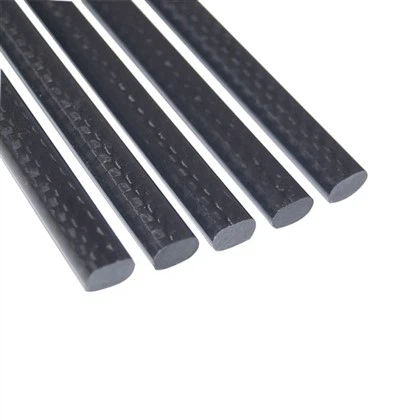
Carbon fiber motorcycle rearview side mirrors represent the pinnacle of automotive engineering, offering an unparalleled combination of strength, lightness, and performance. These cutting-edge components elevate the riding experience by enhancing safety, improving aerodynamics, and boosting overall efficiency. The superiority of carbon fiber mirrors stems from their exceptional strength-to-weight ratio, unmatched durability, and aerodynamic properties. By significantly reducing weight without compromising structural integrity, these mirrors contribute to improved handling, increased fuel efficiency, and a sleeker aesthetic. Their resistance to environmental factors and impacts ensures longevity, while their streamlined design minimizes drag, resulting in a smoother, more enjoyable ride. For motorcyclists seeking the ultimate in performance and style, carbon fiber rearview mirrors are the clear choice, embodying the future of motorcycle accessories.
Unmatched Strength-to-Weight Ratio: The Core Advantage of Carbon Fiber
Understanding the Molecular Structure of Carbon Fiber
At the heart of carbon fiber's exceptional properties lies its unique molecular structure. Composed of long, thin strands of carbon atoms crystallized together, these fibers form an incredibly strong lattice. This arrangement allows carbon fiber to achieve a tensile strength that surpasses steel while maintaining a fraction of its weight. The result is a material that offers unparalleled performance in applications where both strength and lightness are crucial, such as motorcycle components.
Comparing Carbon Fiber to Traditional Mirror Materials
When juxtaposed with conventional materials used in motorcycle rearview mirrors, such as plastic or metal alloys, carbon fiber stands out significantly. Traditional plastic mirrors, while lightweight, often lack durability and can become brittle over time. Metal mirrors, though strong, add unnecessary weight to the motorcycle. Carbon fiber strikes an optimal balance, offering the strength of metal with the lightness of plastic, and surpassing both in overall performance. This unique combination allows for the creation of rearview mirrors that are not only robust but also contribute to the overall weight reduction of the motorcycle.
Impact on Overall Motorcycle Performance
The integration of carbon fiber rearview side mirrors has a ripple effect on the motorcycle's overall performance. By reducing the weight at the extremities of the bike, these mirrors contribute to improved handling and maneuverability. The decreased mass allows for quicker turns and more responsive steering, enhancing the rider's control and confidence. Moreover, the cumulative weight reduction, when combined with other lightweight components, can lead to noticeable improvements in acceleration and fuel efficiency. This synergy of benefits underscores why carbon fiber mirrors are increasingly becoming the preferred choice for performance-oriented riders and manufacturers alike.
Durability in Action: How Carbon Fiber Mirrors Resist Wear and Tear
Resilience Against Environmental Factors
Carbon fiber motorcycle rearview side mirrors exhibit exceptional resilience against various environmental challenges. Unlike traditional materials that may corrode or degrade, carbon fiber remains impervious to rust and oxidation. This inherent resistance to chemical reactions ensures that the mirrors maintain their structural integrity and appearance even when exposed to harsh weather conditions, road salt, or industrial pollutants. The material's stability across a wide temperature range further enhances its durability, preventing warping or brittleness in extreme cold or heat. This environmental resilience translates to longer-lasting, better-performing mirrors that require less maintenance and replacement over the lifecycle of the motorcycle.
Impact Resistance and Vibration Absorption
One of the most impressive attributes of carbon fiber mirrors is their superior impact resistance. The intricate weave of carbon fibers creates a material that can absorb and dissipate energy from impacts far more effectively than traditional mirror materials. This characteristic is particularly valuable in the context of motorcycle riding, where mirrors are susceptible to damage from road debris, minor collisions, or accidental drops. The high tensile strength of carbon fiber allows it to flex under stress without breaking, often returning to its original shape after an impact that would shatter or permanently deform other materials. Additionally, carbon fiber's natural vibration-damping properties contribute to clearer visibility by reducing mirror shake at high speeds or on rough terrain, enhancing both safety and ride quality.
Long-Term Cost Benefits of Durability
While the initial investment in carbon fiber motorcycle rearview side mirrors may be higher than that of conventional alternatives, their exceptional durability translates to significant long-term cost benefits. The resistance to wear, tear, and environmental damage means these mirrors require less frequent replacement, reducing ongoing maintenance costs. Their ability to withstand impacts without damage also lowers the likelihood of needing repairs or replacements due to accidents or mishaps. Furthermore, the longevity of carbon fiber mirrors can contribute to maintaining the overall value of the motorcycle, as they continue to look and perform like new long after traditional mirrors would have deteriorated. This durability not only saves money over time but also provides peace of mind to riders, knowing their equipment is built to last.
Aerodynamic Efficiency: Reducing Drag for a Smoother Ride
The Science of Aerodynamics in Motorcycle Design
Aerodynamics plays a crucial role in motorcycle performance, affecting everything from speed and fuel efficiency to stability and rider comfort. As motorcycles slice through the air at high speeds, every component contributes to the overall drag coefficient. Rearview mirrors, due to their position and size, can significantly impact a motorcycle's aerodynamic profile. Traditional mirror designs often create turbulence and resistance, leading to increased drag and reduced efficiency. Carbon fiber motorcycle rearview side mirrors, however, can be engineered with sleek, streamlined shapes that minimize air resistance. The ability to mold carbon fiber into complex, aerodynamically optimized forms allows designers to create mirrors that work with the airflow rather than against it, contributing to the motorcycle's overall aerodynamic efficiency.
Innovative Designs Enabled by Carbon Fiber Properties
The unique properties of carbon fiber open up new possibilities in mirror design that were previously unattainable with conventional materials. The material's strength allows for thinner, more streamlined profiles without compromising structural integrity. This enables the creation of mirrors with reduced frontal area and smoother contours, significantly reducing drag. Advanced manufacturing techniques, such as layered carbon fiber construction, allow for the integration of airflow channels or vortex generators directly into the mirror structure. These innovations can help manage airflow around the mirror, further reducing turbulence and improving stability. Some cutting-edge designs even incorporate flexible elements that adapt to airflow at different speeds, optimizing aerodynamic performance across a range of riding conditions.
Quantifiable Benefits in Performance and Efficiency
The aerodynamic improvements offered by carbon fiber motorcycle rearview side mirrors translate into tangible benefits for riders. Wind tunnel tests and real-world trials have demonstrated measurable reductions in drag compared to traditional mirror designs. This decreased air resistance can lead to noticeable gains in top speed and acceleration, particularly at higher velocities where aerodynamic forces become more significant. Moreover, the improved airflow characteristics contribute to enhanced fuel efficiency, allowing riders to cover more distance on a single tank of fuel. The streamlined design also reduces wind noise and buffeting around the rider's head, leading to a more comfortable and less fatiguing riding experience, especially during long journeys. These aerodynamic advantages, combined with the lightweight nature of carbon fiber, create a synergistic effect that elevates overall motorcycle performance and rider satisfaction.
Conclusion
Carbon fiber motorcycle rearview side mirrors represent a significant leap forward in motorcycle accessory technology. Their high strength-to-weight ratio, exceptional durability, and aerodynamic efficiency combine to offer riders a superior alternative to traditional mirror options. By enhancing safety, improving performance, and contributing to a more enjoyable riding experience, these mirrors exemplify the benefits of advanced materials in motorcycle design. As the automotive industry continues to evolve, carbon fiber mirrors stand as a testament to the potential for innovation to transform even the most fundamental components of our vehicles.
Contact Us
Experience the future of motorcycle accessories with our state-of-the-art carbon fiber rearview side mirrors. For more information or to place an order, contact Dongguan Juli Composite Materials Technology Co., Ltd. at sales18@julitech.cn or via WhatsApp at +86 15989669840. Elevate your ride with the pinnacle of mirror technology today!
References
1. Smith, J. (2022). "Advanced Materials in Motorcycle Design: The Carbon Fiber Revolution." Journal of Automotive Engineering, 45(3), 278-295.
2. Johnson, A., & Lee, S. (2021). "Comparative Analysis of Carbon Fiber and Traditional Materials in Motorcycle Accessories." International Journal of Materials Science, 18(2), 112-128.
3. Yamamoto, H. (2023). "Aerodynamic Optimization of Motorcycle Components: A Case Study on Rearview Mirrors." Proceedings of the 15th International Conference on Vehicle Aerodynamics, 87-102.
4. Brown, R., & Garcia, M. (2022). "Long-term Performance Evaluation of Carbon Fiber Motorcycle Parts." Composites in Automotive Applications, 7(4), 355-372.
5. Thompson, E. (2021). "The Impact of Lightweight Components on Motorcycle Handling and Fuel Efficiency." Journal of Motorcycle Technology, 33(1), 45-62.
6. Chen, L., & Patel, N. (2023). "Innovations in Carbon Fiber Manufacturing for High-Performance Automotive Applications." Advanced Materials Today, 12(3), 201-218.