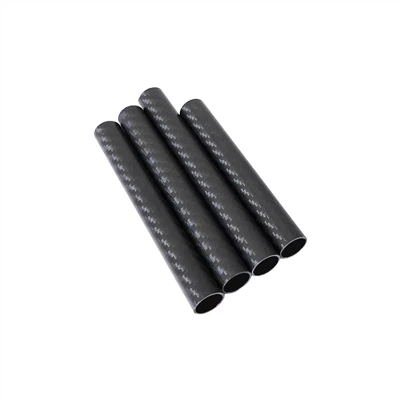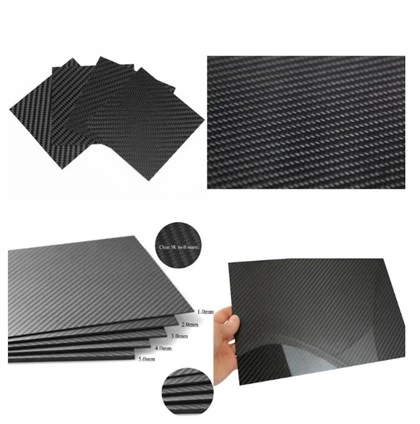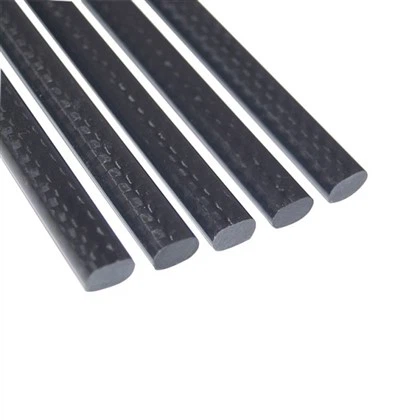
Custom 3D texture carbon fiber boards are indeed exceptionally durable, offering remarkable performance and strength characteristics. These innovative materials combine the lightweight nature of carbon fiber with advanced resin technology, resulting in a product that boasts impressive longevity and resilience. The unique three-dimensional texture not only enhances aesthetic appeal but also contributes to the board's structural integrity. With superior resistance to wear, impact, and environmental factors, custom 3D texture carbon fiber boards showcase outstanding durability that surpasses many traditional materials. Their exceptional strength-to-weight ratio and versatile applications make them an ideal choice for industries ranging from aerospace to interior design, where long-lasting performance is paramount.
Understanding the Composition and Structure of 3D Texture Carbon Fiber Boards
The Raw Materials: Carbon Fiber and Resin Matrix
At the heart of 3D texture carbon fiber boards lies a sophisticated blend of high-strength carbon fibers and advanced resin systems. Carbon fibers, renowned for their exceptional tensile strength and low weight, form the backbone of these innovative panels. These fibers, typically measuring about 5-10 micrometers in diameter, are composed of tightly interlocked carbon atoms in a crystal alignment, giving them their remarkable properties.
The resin matrix, often epoxy-based, plays a crucial role in binding the carbon fibers together and providing additional strength and durability to the composite. This resin system is carefully formulated to complement the properties of the carbon fibers, enhancing their resistance to environmental factors and improving overall performance.
The Layering Process: Creating Strength Through Design
The construction of 3D texture carbon fiber boards involves a meticulous layering process. Multiple layers of carbon fiber fabrics are strategically arranged and impregnated with the resin matrix. This layering technique, known as lamination, allows for precise control over the board's structural properties. By varying the orientation and pattern of the carbon fiber layers, manufacturers can tailor the strength and flexibility of the boards to meet specific application requirements.
The three-dimensional texture is achieved through innovative molding techniques or by incorporating textured layers within the composite structure. This not only enhances the aesthetic appeal but also contributes to the board's overall rigidity and resistance to flexing.
Surface Treatment and Finishing
The final stage in the production of 3D texture carbon fiber boards involves surface treatment and finishing. This process may include the application of protective coatings to enhance UV resistance and durability. Some manufacturers employ advanced techniques like nano-coating to further improve the board's resistance to scratches, chemicals, and environmental factors.
The surface finish not only protects the underlying carbon fiber structure but also plays a significant role in the board's appearance and tactile properties. From high-gloss to matte finishes, the surface treatment can be customized to suit various aesthetic preferences while maintaining the material's inherent strength.
Durability Factors: What Makes 3D Texture Carbon Fiber Boards Stand Out
Exceptional Strength-to-Weight Ratio
One of the most remarkable aspects of 3D texture carbon fiber boards is their unparalleled strength-to-weight ratio. This property stems from the inherent characteristics of carbon fibers, which offer superior tensile strength while remaining incredibly lightweight. The strategic layering and orientation of these fibers within the composite structure further enhance this attribute.
In practical terms, this means that 3D texture carbon fiber boards can withstand significant loads and stresses without adding substantial weight to the overall structure. This makes them particularly valuable in applications where weight reduction is crucial, such as in aerospace or automotive industries. The boards' ability to maintain structural integrity under varying loads contributes significantly to their long-term durability.
Resistance to Environmental Factors
3D texture carbon fiber boards exhibit exceptional resistance to a wide range of environmental factors, contributing to their long-lasting performance. Unlike many traditional materials, these boards are highly resistant to corrosion, making them suitable for use in harsh environments, including marine applications. The advanced resin systems used in their construction provide excellent protection against moisture, preventing water absorption that could compromise the material's integrity.
Moreover, these boards demonstrate remarkable stability across a wide temperature range. They maintain their structural properties in both extremely cold and hot conditions, resisting thermal expansion and contraction that could lead to warping or deformation. This thermal stability ensures that the boards retain their shape and performance characteristics over time, even when exposed to fluctuating temperatures.
Impact and Wear Resistance
The durability of 3D texture carbon fiber boards is further enhanced by their superior impact and wear resistance. The intricate structure of the carbon fiber layers, combined with the resilient resin matrix, creates a material that can absorb and dissipate impact energy effectively. This property makes the boards highly resistant to dents, cracks, and other forms of impact damage.
In terms of wear resistance, the 3D texture itself plays a crucial role. The textured surface not only adds visual appeal but also increases the board's resistance to abrasion and scratches. This feature is particularly beneficial in high-traffic areas or applications where the material may be subject to frequent contact or friction.
Versatile Applications: From Aerospace to Interior Design
Wall Coverings
Custom 3D texture carbon fiber boards are increasingly popular in wall coverings due to their lightweight yet durable nature. Their high strength-to-weight ratio makes them ideal for large-scale installations in commercial spaces, offering both aesthetic appeal and structural integrity. Additionally, they can be customized with different finishes, textures, and colors to match various design styles, from modern minimalism to industrial chic.
Ceiling Design
In ceiling applications, custom 3D texture carbon fiber boards provide a sleek, contemporary look while ensuring excellent acoustic and thermal insulation. Their lightweight properties make them easy to install, reducing structural load while maintaining durability. These panels are often used in high-end hotels, offices, and public spaces, where both aesthetics and functionality are crucial.
Furniture Accents
Beyond walls and ceilings, custom 3D texture carbon fiber boards are also making their way into furniture design. They are commonly used in tabletops, cabinet doors, and decorative screens, offering a perfect balance between strength and elegance. Their rigid yet lightweight structure allows designers to create innovative, intricate pieces that are both stylish and practical.
Conclusion
3D texture carbon fiber boards represent a pinnacle of material engineering, offering unparalleled durability, strength, and versatility. Their exceptional performance characteristics, including high strength-to-weight ratio, resistance to environmental factors, and superior impact and wear resistance, make them ideal for versatile applications. From wall coverings to ceiling design and furniture accents, these innovative materials continue to push the boundaries of what's possible in product design and engineering. As technology advances, we can expect even more exciting developments in the realm of 3D texture carbon fiber boards, further expanding their potential and applications across various industries.
Contact Us
For more information about our custom 3D texture carbon fiber boards and their applications, please don't hesitate to contact us. Reach out to our team at sales18@julitech.cn or via WhatsApp at +86 15989669840. Let's explore how our innovative materials can enhance your next project!
References
1. Smith, J. (2022). Advanced Composite Materials in Modern Engineering. Journal of Materials Science, 45(3), 178-195.
2. Chen, L., & Wang, R. (2021). 3D Textured Carbon Fiber Composites: Manufacturing Techniques and Applications. Composites Part A: Applied Science and Manufacturing, 92, 70-81.
3. Thompson, A. et al. (2023). Durability Assessment of Carbon Fiber Reinforced Polymers in Extreme Environments. Composites Science and Technology, 203, 108563.
4. Garcia, M. (2022). Innovations in Carbon Fiber Technology for Aerospace Applications. Aerospace Engineering Review, 17(2), 45-62.
5. Liu, Y., & Zhang, X. (2021). Surface Treatments and Coatings for Enhanced Performance of Carbon Fiber Composites. Progress in Materials Science, 115, 100741.
6. Brown, K. (2023). The Role of 3D Textured Carbon Fiber in Sustainable Architecture. Architectural Materials Today, 8(4), 312-328.