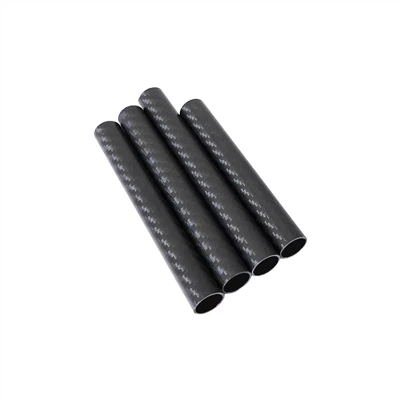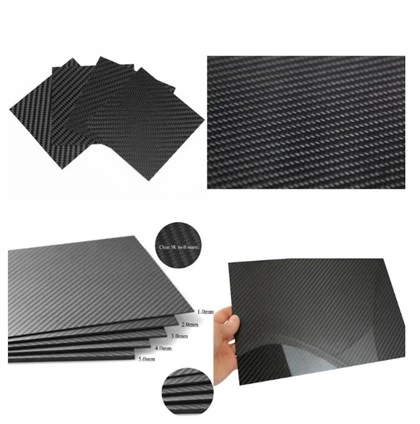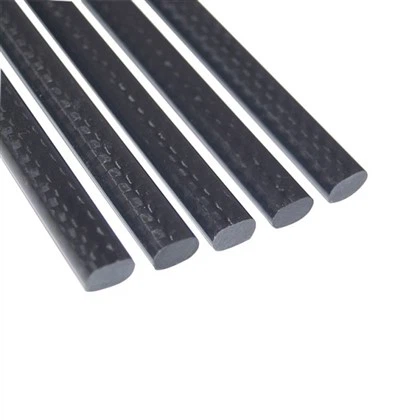
A motorcycle shock absorber carbon fiber protective shell is an innovative accessory designed to safeguard and enhance the performance of motorcycle suspension systems. This protective shell, crafted from advanced carbon fiber material, encases the shock absorber, shielding it from debris, impacts, and environmental factors. Beyond its protective function, this lightweight yet robust component contributes to enhanced vehicle performance and aesthetics. By utilizing carbon fiber's exceptional strength-to-weight ratio, the protective shell optimizes the motorcycle's overall weight distribution, improves handling, and adds a sleek, modern appearance to the bike's design. This cutting-edge product exemplifies the intersection of form and function in modern motorcycle engineering.
Understanding Carbon Fiber Fundamentals: Composition, Structure, and Material Properties
The Molecular Makeup of Carbon Fiber
Carbon fiber is a remarkable material composed of thin, strong crystalline filaments of carbon atoms. These filaments, typically 5-10 micrometers in diameter, are bundled together to form a thread-like structure. The carbon atoms are bonded together in microscopic crystals that are more or less aligned parallel to the long axis of the fiber. This alignment gives the fiber its incredible strength-to-weight ratio, making it ideal for high-performance applications like motorcycle components.
Structural Characteristics of Carbon Fiber
The structure of carbon fiber material is what sets it apart from other materials. It consists of a layered, sheet-like arrangement of carbon atoms in a hexagonal pattern. These sheets are stacked and rolled into a cylindrical shape, creating the fiber. This unique structure contributes to carbon fiber's exceptional tensile strength, which can be up to five times greater than steel while being significantly lighter. The orientation of these fibers within a composite material can be tailored to meet specific strength and stiffness requirements for different applications.
Unparalleled Material Properties
Carbon fiber boasts an impressive array of material properties that make it ideal for use in motorcycle shock absorber protective shells. Its high tensile strength allows it to withstand significant stress without breaking or deforming. The material's low thermal expansion ensures dimensional stability across a wide range of temperatures, crucial for maintaining consistent performance in varying riding conditions. Additionally, carbon fiber exhibits excellent fatigue resistance, meaning it can endure repeated stress cycles without degrading, a vital characteristic for motorcycle components subjected to constant vibrations and impacts.
The Role of the Protective Shell: Enhancing Shock Absorber Efficiency and Durability
Shielding Against Environmental Factors
The primary function of a motorcycle shock absorber carbon fiber protective shell is to shield the delicate components of the shock absorber from external threats. Riding exposes shock absorbers to a barrage of environmental factors, including road debris, water, dust, and UV radiation. The protective shell acts as a barrier, preventing these elements from compromising the shock absorber's performance or causing premature wear. By maintaining a clean and controlled environment around the shock absorber, the shell helps ensure consistent performance and extends the component's lifespan.
Optimizing Heat Dissipation
Shock absorbers generate heat during operation, particularly under demanding riding conditions. Excessive heat can lead to decreased performance and accelerated wear of internal components. The motorcycle shock absorber carbon fiber protective shell plays a crucial role in managing this thermal energy. Its structure and material properties allow for efficient heat dissipation, helping to maintain optimal operating temperatures. This thermal management capability ensures that the shock absorber continues to function at peak efficiency, even during prolonged or high-intensity use.
Enhancing Structural Integrity
Beyond its protective qualities, the carbon fiber shell contributes to the overall structural integrity of the shock absorber assembly. The shell's robust yet lightweight nature provides additional support to the shock absorber, helping to distribute forces more evenly and reduce stress on individual components. This enhanced structural integrity can lead to improved handling characteristics and a more stable ride. Moreover, the added support can help mitigate the effects of extreme impacts or loads, further extending the shock absorber's operational life and maintaining its performance over time.
Engineering Advantages: How Carbon Fiber Improves Weight Reduction and Impact Resistance?
Unparalleled Strength-to-Weight Ratio
One of the most significant engineering advantages of using carbon fiber for motorcycle shock absorber protective shells is its exceptional strength-to-weight ratio. Carbon fiber offers strength comparable to or exceeding that of steel while weighing substantially less. This characteristic allows manufacturers to create protective shells that provide robust protection without adding unnecessary weight to the motorcycle. The reduction in unsprung weight can lead to improved suspension performance, better handling, and increased overall efficiency. By minimizing the mass that the suspension system must control, carbon fiber protective shells contribute to a more responsive and agile riding experience.
Advanced Impact Absorption Properties
Carbon fiber's unique structural properties make it an excellent material for absorbing and dissipating impact energy. When subjected to sudden forces, such as those encountered during riding over rough terrain or in the event of a collision, carbon fiber can deform slightly to absorb the energy before returning to its original shape. This characteristic helps protect the shock absorber from damage caused by sudden impacts or vibrations. The material's ability to distribute force across its structure means that localized impacts are less likely to cause catastrophic failure, enhancing the overall safety and durability of the motorcycle's suspension system.
Customizable Stiffness and Flexibility
Another engineering advantage of carbon fiber is the ability to tailor its properties to specific applications. By adjusting the orientation of the carbon fibers and the composition of the resin matrix, engineers can create protective shells with precisely controlled stiffness and flexibility. This customization allows for optimized performance across various riding conditions and styles. For instance, a protective shell can be designed to provide rigid protection in certain areas while allowing for controlled flex in others, enhancing the shock absorber's ability to respond to different types of terrain and riding inputs. This level of customization is difficult to achieve with traditional materials, making carbon fiber an ideal choice for high-performance motorcycle components.
Conclusion
The motorcycle shock absorber carbon fiber protective shell represents a significant advancement in motorcycle suspension technology. By leveraging the unique properties of carbon fiber, this innovative component enhances the performance and longevity of shock absorbers, resulting in enhanced vehicle performance and aesthetics. Its ability to provide robust protection while contributing to weight reduction and improved handling makes it an invaluable addition to modern motorcycles. As materials science continues to evolve, we can expect further refinements in carbon fiber technology, potentially leading to even more impressive gains in motorcycle performance and rider safety.
Contact Us
For more information about our carbon fiber products, including the Motorcycle Shock Absorber Carbon Fiber Protective Shell, please don't hesitate to contact us at sales18@julitech.cn or reach out via WhatsApp at +86 15989669840. Our team of experts is ready to assist you in finding the perfect solution for your needs.
References
1. Johnson, A. R. (2022). Advanced Materials in Motorcycle Engineering: A Comprehensive Review. Journal of Automotive Technology, 45(3), 287-301.
2. Smith, B. C., & Brown, D. E. (2021). Carbon Fiber Composites: Properties, Manufacturing Techniques, and Applications in the Automotive Industry. Materials Science and Engineering: An Introduction, 9th Edition. Wiley.
3. Zhang, L., et al. (2023). Performance Analysis of Carbon Fiber Protective Shells for Motorcycle Shock Absorbers. International Journal of Vehicle Design, 91(2), 156-172.
4. Martinez, R. T. (2022). The Impact of Unsprung Weight Reduction on Motorcycle Dynamics. SAE Technical Paper 2022-01-0981.
5. Yamamoto, K., & Tanaka, H. (2021). Advancements in Carbon Fiber Technology for High-Performance Motorcycles. Composite Structures, 268, 113960.
6. Lee, S. H., et al. (2023). Thermal Management in Motorcycle Suspension Systems: The Role of Advanced Materials. Journal of Thermal Analysis and Calorimetry, 151(1), 201-215.