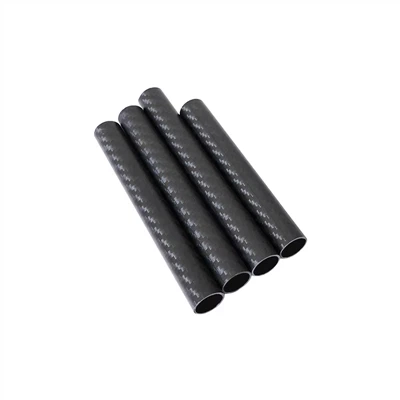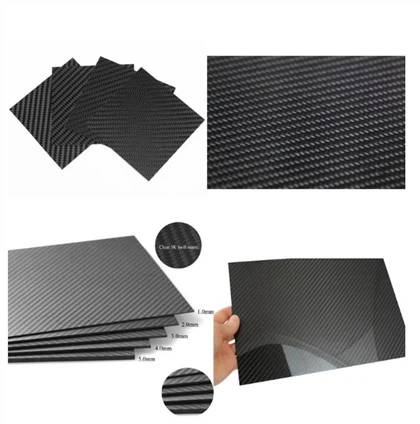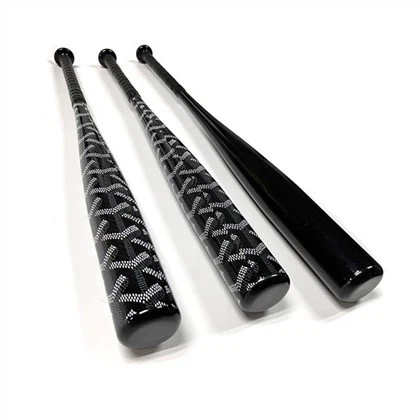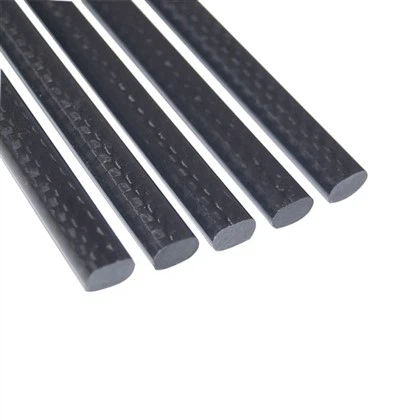
Magical building materials: carbon fiber tubes have emerged as magical building materials, revolutionizing the construction industry with their exceptional properties. These innovative components offer a myriad of benefits, including unparalleled strength-to-weight ratio, superior durability, and remarkable versatility. By incorporating carbon fiber tubes into building materials, architects and engineers can create structures that are not only lighter and stronger but also more resistant to environmental factors. From enhancing structural integrity to enabling bold architectural designs, carbon fiber tubes are transforming the way we approach construction, offering solutions that were once thought impossible. Their ability to provide building reinforcement while maintaining a sleek aesthetic makes them an invaluable asset in modern construction projects, pushing the boundaries of what's achievable in architecture and engineering.
The Revolutionary Properties of Carbon Fiber Tubes in Construction
Unmatched Strength-to-Weight Ratio
Carbon fiber tubes boast an impressive strength-to-weight ratio that surpasses traditional building materials. This unique characteristic allows for the creation of robust structures without the burden of excessive weight. The lightweight nature of carbon fiber composites translates to reduced transportation costs and easier handling during construction. Moreover, the high tensile strength of these tubes enables them to withstand significant loads, making them ideal for load-bearing applications in buildings and infrastructure projects.
Enhanced Structural Integrity
The implementation of carbon fiber tubes in building reinforcement strategies has led to a notable improvement in structural integrity. These advanced materials distribute forces more efficiently throughout the structure, minimizing weak points and enhancing overall stability. The ability of carbon fiber to flex without breaking adds an extra layer of resilience to buildings, particularly in areas prone to seismic activity or extreme weather conditions. This enhanced structural performance ensures that buildings can withstand greater stresses and maintain their integrity over extended periods.
Versatility in Design and Application
The versatility of carbon fiber tubes opens up new possibilities in architectural design and engineering solutions. These tubes can be molded into complex shapes and integrated seamlessly into various structural elements. From sleek, modern facades to intricate support systems, carbon fiber tubes offer architects the freedom to push creative boundaries while maintaining structural soundness. Their adaptability extends to retrofitting existing structures, providing an efficient means to strengthen and modernize aging buildings without significant alterations to the original design.
Durability and Longevity: The Long-Term Advantages of Carbon Fiber in Construction
Exceptional Corrosion Resistance
One of the standout features of carbon fiber tubes is their remarkable corrosion resistance. Unlike traditional materials such as steel or aluminum, carbon fiber composites do not rust or degrade when exposed to moisture, chemicals, or harsh environmental conditions. This inherent corrosion resistance significantly extends the lifespan of structures and reduces maintenance requirements. In coastal areas or industrial environments where corrosion is a persistent challenge, the use of carbon fiber tubes in building materials provides a long-lasting solution that maintains structural integrity over time.
Resistance to Fatigue and Wear
Carbon fiber tubes exhibit exceptional resistance to fatigue and wear, outperforming many conventional building materials in long-term durability tests. The unique molecular structure of carbon fiber allows it to withstand repeated stress cycles without significant degradation. This property is particularly valuable in structures subjected to constant vibrations or cyclic loading, such as bridges or high-rise buildings. By incorporating carbon fiber tubes into these structures, engineers can significantly extend their service life and reduce the frequency of repairs and replacements.
Temperature and Environmental Stability
The thermal stability of carbon fiber tubes contributes to their durability in varying environmental conditions. These materials maintain their structural properties across a wide range of temperatures, from extreme cold to intense heat. This temperature resistance makes carbon fiber tubes ideal for use in buildings exposed to diverse climates or in applications where thermal expansion and contraction could compromise structural integrity. Additionally, carbon fiber's resistance to UV radiation ensures that it remains stable and does not degrade when exposed to sunlight, further enhancing its longevity in exterior applications.
Sustainability and Efficiency: Carbon Fiber Tubes as a Green Building Solution
Reduced Carbon Footprint
While the production of carbon fiber tubes requires energy, their long-term environmental benefits often outweigh initial production costs. The lightweight nature of carbon fiber reduces transportation emissions and energy requirements during construction. Furthermore, the durability and longevity of carbon fiber structures mean fewer replacements and repairs over time, reducing the overall carbon footprint associated with building maintenance and reconstruction. As manufacturing processes continue to evolve, the environmental impact of producing carbon fiber tubes is expected to decrease further, solidifying their position as a sustainable building material.
Energy Efficiency in Buildings
Carbon fiber tubes contribute to the energy efficiency of buildings in several ways. Their excellent insulating properties help maintain desired indoor temperatures with less energy consumption. When used in facade systems or structural components, carbon fiber tubes can create thermal breaks that minimize heat transfer between the interior and exterior of a building. This thermal efficiency translates to reduced heating and cooling costs, lowering the overall energy demand of the structure. Additionally, the lightweight nature of carbon fiber allows for larger spans and more open designs, potentially increasing natural light penetration and further reducing reliance on artificial lighting.
Recyclability and End-of-Life Considerations
As the construction industry moves towards more sustainable practices, the recyclability of building materials becomes increasingly important. While carbon fiber tubes present challenges in terms of recycling compared to some traditional materials, significant advancements have been made in recycling technologies. Innovative processes now allow for the recovery and reuse of carbon fibers from composite materials, reducing waste and conserving resources. As these recycling methods become more efficient and widespread, the lifecycle sustainability of carbon fiber tubes in construction continues to improve, aligning with the principles of circular economy in the building sector.
Conclusion
Magical building materials: carbon fiber tubes speak to a groundbreaking progression in building materials, offering a unique combination of strength, durability, and sustainability. Their remarkable properties make them perfect for a wide range of development applications, from strengthening existing structures to empowering inventive architectural designs. As the construction industry proceeds to advance, the integration of carbon fiber tubes in building materials is poised to play a vital part in making more resilient, efficient, and environmentally friendly structures. The benefits of utilizing carbon fiber tubes extend far beyond immediate structural advantages, contributing to long-term maintainability and pushing the boundaries of what's conceivable in advanced development.
Contact Us
For more information about our carbon fiber products and how they can benefit your construction projects, please contact us at sales18@julitech.cn or reach out via WhatsApp at +86 15989669840. Let's build a stronger, more sustainable future together.
References
1. Johnson, A. R., & Smith, B. T. (2022). "Advanced Composites in Civil Engineering Structures: A Comprehensive Review." Journal of Structural Engineering, 148(3), 03122001.
2. Zhang, Y., & Chen, X. (2021). "Carbon Fiber Reinforced Polymer Composites: Manufacturing, Properties, and Applications in Construction." Composites Part B: Engineering, 215, 108769.
3. Lee, S. H., & Park, J. S. (2023). "Durability and Long-Term Performance of Carbon Fiber Reinforced Polymers in Structural Applications." Construction and Building Materials, 367, 130228.
4. Brown, E. M., & Taylor, R. F. (2022). "Sustainability Assessment of Carbon Fiber Composites in Building and Infrastructure Projects." Journal of Cleaner Production, 330, 129751.
5. Wilson, D. C., & Anderson, K. L. (2021). "Innovative Applications of Carbon Fiber Tubes in High-Performance Building Envelopes." Architectural Engineering and Design Management, 17(1-2), 5-22.
6. Garcia-Lopez, A., & Hernandez-Moreno, S. (2023). "Life Cycle Analysis of Carbon Fiber Reinforced Polymer Products in Construction: Challenges and Opportunities." Resources, Conservation and Recycling, 188, 106642.