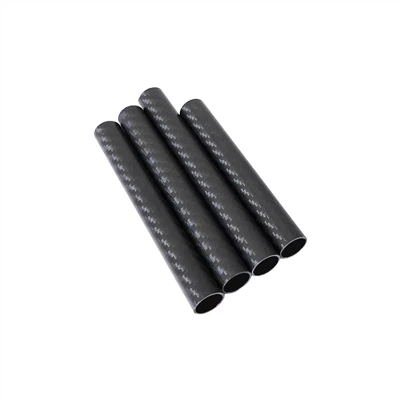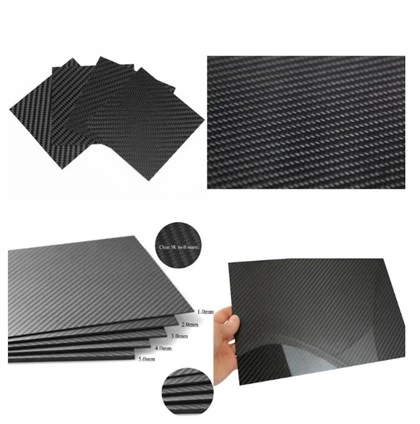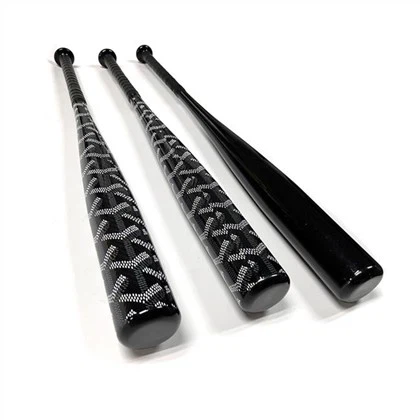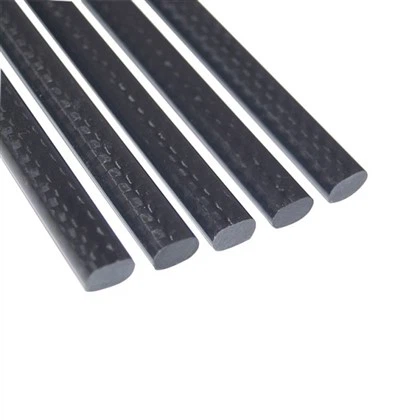
Carbon fiber hexagonal tubes offer a myriad of advantages across various industries due to their unique properties and versatile applications. These innovative structures combine the exceptional strength-to-weight ratio of carbon fiber with the inherent stability of hexagonal geometry. The result is a product that excels in performance, durability, and efficiency. From aerospace and automotive to sports equipment and architectural design, carbon fiber hexagonal tubes provide superior strength, reduced weight, excellent corrosion resistance, and remarkable thermal properties. Their ability to be customized in size and finish, whether glossy or matte, further enhances their adaptability to diverse applications. As we delve deeper into the benefits of these advanced materials, it becomes clear why they are increasingly becoming the go-to solution for engineers and designers seeking to push the boundaries of what's possible in their respective fields.
Unparalleled Strength and Lightweight Properties
Exceptional Strength-to-Weight Ratio
Carbon fiber hexagonal tubes boast an impressive strength-to-weight ratio that surpasses many traditional materials. This characteristic is particularly valuable in applications where minimizing weight without compromising structural integrity is crucial. The hexagonal shape further enhances the tube's ability to distribute forces evenly, resulting in superior load-bearing capacity. Engineers often opt for these tubes in aerospace and automotive industries, where every gram saved translates to improved fuel efficiency and performance.
Resistance to Fatigue and Deformation
The unique composition of carbon fiber materials grants hexagonal tubes exceptional resistance to fatigue and deformation. Unlike metal alternatives, which may weaken over time due to repeated stress, carbon fiber hexagonal tubes maintain their structural properties even under prolonged use. This resilience makes them ideal for applications involving cyclic loading or vibrations, such as in high-performance racing vehicles or industrial machinery.
Customizable Strength Profiles
One of the most significant advantages of carbon fiber hexagonal tubes is the ability to tailor their strength profiles to specific applications. By adjusting the fiber orientation and layup during the manufacturing process, engineers can create tubes with directional strength properties. Additionally, glossy/matte treatment options can enhance the tube's aesthetic appeal while maintaining its functional integrity. This customization allows for optimal performance in applications where forces are applied from specific angles or directions. Whether you require a glossy or matte carbon fiber hexagon tube, the strength profile can be fine-tuned to meet your exact specifications.
Versatility in Design and Application
Adaptability to Various Industries
The versatility of carbon fiber hexagonal tubes extends across numerous industries, making them a preferred choice for innovative designs. In the aerospace sector, these tubes find applications in aircraft structures, satellite components, and even space exploration equipment. The automotive industry utilizes them in chassis reinforcement, drive shafts, and suspension systems. Sports equipment manufacturers incorporate carbon fiber hexagonal tubes in high-performance bicycles, golf clubs, and tennis rackets. Even the construction industry has begun to explore the potential of these advanced materials in architectural support structures and decorative elements.
Customizable Dimensions and Finishes
Carbon fiber hexagonal tubes offer unparalleled flexibility in terms of size and finish. Manufacturers can produce these tubes in a wide range of dimensions, from small-diameter tubes for intricate components to large-scale structures for industrial applications. The ability to create custom sizes ensures that designers can find the perfect fit for their specific needs. Additionally, the option of glossy or matte treatment allows for aesthetic customization, catering to both functional and visual requirements. This adaptability makes carbon fiber hexagonal tubes suitable for projects ranging from sleek consumer products to robust industrial machinery.
Integration with Other Materials
The compatibility of glossy or matte carbon fiber hexagonal tubes with other materials opens up a world of possibilities in composite design. These tubes can be seamlessly integrated with metals, polymers, and other composite materials to create hybrid structures that leverage the strengths of each component. For instance, carbon fiber tubes can be combined with aluminum connectors in lightweight truss systems, or incorporated into polymer matrix composites for enhanced structural properties. This ability to work in harmony with diverse materials makes carbon fiber hexagonal tubes an invaluable asset in pushing the boundaries of engineering and design.
Environmental and Long-Term Cost Benefits
Reduced Carbon Footprint
While the production of carbon fiber materials does require energy, the long-term environmental benefits of using carbon fiber hexagonal tubes often outweigh the initial carbon footprint. The lightweight nature of these tubes contributes significantly to fuel efficiency in transportation applications, leading to reduced emissions over the product's lifetime. Moreover, the durability and longevity of carbon fiber components mean they need to be replaced less frequently, further minimizing waste and resource consumption. As manufacturing processes continue to evolve, the environmental impact of producing carbon fiber hexagonal tubes is expected to decrease, making them an increasingly sustainable choice.
Corrosion Resistance and Longevity
One of the standout benefits of glossy or matte carbon fiber hexagonal tubes is their exceptional resistance to corrosion. Unlike metal alternatives that may rust or degrade when exposed to harsh environments, carbon fiber remains inert to most chemicals and environmental factors. This resistance translates to extended product life and reduced maintenance costs, particularly in applications where exposure to corrosive elements is a concern. Whether used in marine environments, chemical processing plants, or outdoor structures, carbon fiber hexagonal tubes maintain their integrity and performance over time, providing long-term value and reliability.
Energy Efficiency in Various Applications
The use of carbon fiber hexagonal tubes can lead to significant energy savings across different applications. In aerospace and automotive industries, the weight reduction achieved by replacing traditional materials with carbon fiber components results in improved fuel efficiency and reduced energy consumption. In wind energy applications, carbon fiber tubes used in turbine blades can enhance energy capture due to their high stiffness and low weight. Even in building construction, the thermal properties of carbon fiber can contribute to better insulation and energy efficiency. These energy-saving characteristics not only benefit the environment but also translate to cost savings for end-users over the long term.
Conclusion
The benefits of using carbon fiber hexagonal tubes are numerous and far-reaching. From their unparalleled strength-to-weight ratio and customized size properties to their versatility across industries and long-term cost-effectiveness, these advanced materials are revolutionizing design and engineering practices. As technology continues to evolve, the potential applications for carbon fiber hexagonal tubes are bound to expand, offering innovative solutions to complex challenges across various sectors. By embracing these materials, industries can achieve new levels of performance, efficiency, and sustainability, paving the way for a more advanced and environmentally conscious future.
Contact Us
For more information about our carbon fiber hexagonal tubes, including glossy or matte finishes and customized sizes, please contact us at sales18@julitech.cn or reach out via WhatsApp at +86 15989669840. Our team of experts is ready to help you find the perfect carbon fiber solution for your specific needs.
References
1. Mallick, P. K. (2021). Fiber-reinforced composites: materials, manufacturing, and design. CRC press.
2. Soutis, C. (2005). Carbon fiber reinforced plastics in aircraft construction. Materials Science and Engineering: A, 412(1-2), 171-176.
3. Rezaei, F., Yunus, R., & Ibrahim, N. A. (2009). Effect of fiber length on thermomechanical properties of short carbon fiber reinforced polypropylene composites. Materials & Design, 30(2), 260-263.
4. Chung, D. D. (2017). Carbon composites: composites with carbon fibers, nanofibers, and nanotubes. Butterworth-Heinemann.
5. Böhm, R., Hornig, A., & Müller, T. (2021). Carbon Fiber Reinforced Composites in Automotive Lightweight Design. Advanced Materials Research, 1161, 3-14.
6. Karataş, M. A., & Gökkaya, H. (2018). A review on machinability of carbon fiber reinforced polymer (CFRP) and glass fiber reinforced polymer (GFRP) composite materials. Defence Technology, 14(4), 318-326.