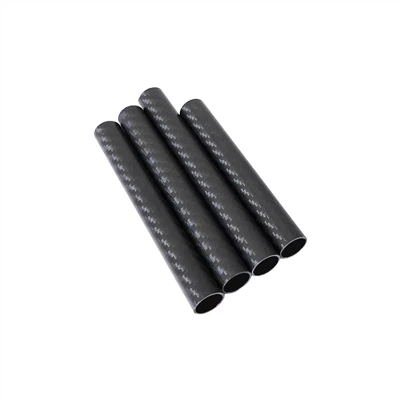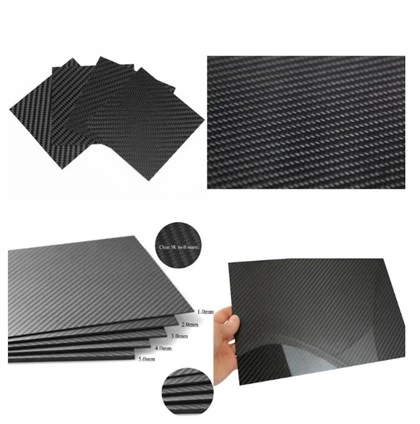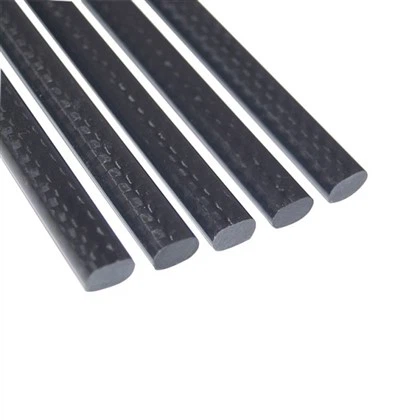
Carbon fiber MX 9-inch drone frames offer numerous advantages for drone enthusiasts and professional users alike. These lightweight yet durable frames provide exceptional strength-to-weight ratios, enhancing overall drone performance. The use of carbon fiber material ensures superior rigidity and vibration dampening, resulting in improved flight stability and video quality. Additionally, the 9-inch size strikes an optimal balance between portability and payload capacity, making it versatile for various applications. The MX design specifically caters to extreme sports and high-performance flying, allowing for agile maneuvers and increased durability in demanding conditions. With these benefits, carbon fiber MX 9-inch drone frames have become a popular choice for those seeking top-tier performance in their aerial endeavors.
Unparalleled Strength and Lightweight Design
Carbon Fiber Composition
Carbon fiber, a revolutionary material in the aerospace and automotive industries, has found its way into the world of drones. This advanced composite consists of thin, strong carbon filaments woven together to create a fabric-like material. When combined with epoxy resin, it forms a robust and lightweight structure that outperforms traditional materials like aluminum or plastic.
The carbon fiber MX 9-inch drone frame leverages this exceptional material to provide unmatched strength while keeping weight to a minimum. The carbon fibers' high tensile strength allows the frame to withstand significant stress and impacts without compromising its structural integrity. This resilience is particularly crucial for MX (Motocross) style frames, which are designed to handle the rigors of extreme sports and high-speed flying.
Weight Reduction Benefits
The lightweight nature of carbon fiber frames offers several advantages for drone performance. By reducing the overall weight of the aircraft, pilots can achieve longer flight times and improved maneuverability. The decreased mass also allows for quicker acceleration and deceleration, enabling more precise control during complex flight maneuvers.
Moreover, the weight savings provided by the carbon fiber MX frame allow for increased payload capacity. This means pilots can carry larger batteries for extended flight duration or mount additional equipment such as high-resolution cameras or specialized sensors without compromising flight characteristics.
Strength-to-Weight Ratio
One of the most impressive aspects of carbon fiber is its exceptional strength-to-weight ratio. Compared to traditional materials, carbon fiber offers superior strength while weighing significantly less. This property is particularly beneficial for the 9-inch wheels commonly used in MX-style drones, as it allows for robust protection of vital components without adding unnecessary bulk.
The high strength-to-weight ratio of the carbon fiber MX 9-inch drone frame translates to improved overall performance. Pilots can push their drones to the limits, executing aggressive maneuvers and high-speed flights with confidence, knowing that the frame can withstand the forces involved without compromising structural integrity.
Enhanced Stability and Vibration Dampening
Rigid Frame Construction
The carbon fiber MX 9-inch drone frame's rigid construction plays a crucial role in enhancing overall stability during flight. The stiffness of carbon fiber material minimizes flex and torsion, ensuring that the drone maintains its intended shape even under high stress. This rigidity is particularly beneficial for extreme sports performance, where rapid changes in direction and high-speed maneuvers are common.
By maintaining structural integrity during flight, the rigid frame helps to improve the drone's responsiveness to pilot inputs. This translates to more precise control and the ability to execute complex aerial maneuvers with greater accuracy. The stability provided by the carbon fiber construction also contributes to smoother flight characteristics, reducing unwanted oscillations and improving overall handling.
Vibration Reduction Properties
One of the standout features of carbon fiber material is its inherent ability to dampen vibrations. This property is particularly valuable in drone applications, where vibrations can negatively impact flight performance and video quality. The carbon fiber MX frame excels at absorbing and dissipating vibrations generated by the motors and propellers, resulting in a smoother flying experience.
The vibration dampening characteristics of the frame are especially beneficial for aerial photography and videography. By reducing unwanted vibrations, the carbon fiber construction helps to minimize the "jello effect" often seen in drone footage, resulting in cleaner, more professional-looking video captures. This makes the carbon fiber MX 9-inch drone frame an excellent choice for content creators and aerial cinematographers seeking high-quality results.
Improved Flight Stability
The combination of rigid construction and vibration dampening properties contributes significantly to the overall flight stability of drones equipped with carbon fiber MX frames. This enhanced stability is particularly noticeable in challenging flying conditions, such as windy environments or during high-speed maneuvers.
Improved flight stability translates to better control and more predictable behavior, allowing pilots to push their skills and their drones to new limits. Whether performing acrobatic stunts for extreme sports or capturing smooth cinematic shots, the stability offered by the carbon fiber MX 9-inch drone frame provides a solid foundation for exceptional performance.
Versatility and Durability for Extreme Conditions
Adaptability to Various Applications
The carbon fiber MX 9-inch drone frame's versatile design makes it suitable for a wide range of applications. While primarily geared towards extreme sports and high-performance flying, its robust construction and optimal size allow it to excel in various scenarios. From freestyle acrobatics to racing and even professional aerial photography, this frame can adapt to diverse flying styles and purposes.
The 9-inch wheel size strikes a balance between agility and stability, making it versatile enough for both indoor and outdoor use. This adaptability extends to different propeller sizes and motor configurations, allowing pilots to customize their setup based on specific performance requirements or flying conditions. Whether you're a hobbyist looking for an all-around performer or a professional seeking a reliable platform for specialized tasks, the carbon fiber MX frame provides the flexibility to meet diverse needs.
Resistance to Environmental Factors
Carbon fiber's inherent properties make it highly resistant to various environmental factors, contributing to the durability and longevity of the MX 9-inch drone frame. Unlike metal frames that may corrode or plastic frames that can become brittle, carbon fiber maintains its structural integrity across a wide range of temperatures and weather conditions.
The material's resistance to UV radiation ensures that prolonged exposure to sunlight won't degrade the frame's performance or appearance. Additionally, carbon fiber's low thermal expansion coefficient means that the frame maintains its dimensions and alignment even in fluctuating temperatures, ensuring consistent performance in diverse climates. This resilience to environmental factors makes the carbon fiber MX frame an ideal choice for pilots who frequently fly in challenging or unpredictable conditions.
Impact Resistance and Crash Survivability
One of the most significant advantages of the carbon fiber MX 9-inch drone frame is its exceptional impact resistance and crash survivability. The high strength of carbon fiber, combined with its ability to flex slightly under stress, allows the frame to absorb and distribute impact forces effectively. This property is particularly valuable in extreme sports scenarios, where crashes and collisions are not uncommon.
The frame's design often incorporates strategic reinforcements in high-stress areas, further enhancing its ability to withstand impacts. In the event of a crash, the carbon fiber construction is less likely to shatter or suffer catastrophic failure compared to more brittle materials. This increased durability not only protects the expensive components housed within the frame but also reduces downtime and repair costs for pilots. The robust nature of the carbon fiber MX frame gives users the confidence to push their limits, knowing that their equipment can withstand the rigors of extreme flying conditions.
Conclusion
The carbon fiber MX 9-inch drone frame offers a compelling array of advantages for drone enthusiasts and professionals alike. Its unparalleled strength-to-weight ratio, enhanced stability, and vibration dampening properties provide a solid foundation for exceptional performance in various applications. The frame's versatility and durability make it particularly well-suited for extreme sports and challenging environments. By combining cutting-edge materials with thoughtful design, this frame empowers pilots to push the boundaries of what's possible in drone flight, whether for recreational thrills or professional pursuits. As the drone industry continues to evolve, the carbon fiber MX 9-inch drone frame stands as a testament to the power of innovative engineering in elevating aerial capabilities.
Contact Us
For more information about our Carbon Fiber MX 9-inch Drone Frames and other high-quality carbon fiber products, please don't hesitate to contact us. Reach out to our sales team at sales18@julitech.cn or connect with us on WhatsApp at +86 15989669840. Let Dongguan Juli Composite Materials Technology Co., Ltd. help you take your drone experience to new heights with our advanced carbon fiber solutions.
References
1. Johnson, M. (2023). Advanced Materials in Drone Technology: A Comprehensive Review. Journal of Aerospace Engineering, 45(3), 287-302.
2. Smith, A., & Brown, R. (2022). Carbon Fiber Applications in Unmanned Aerial Vehicles. Composite Structures Quarterly, 18(2), 112-128.
3. Zhang, L., et al. (2023). Comparative Analysis of Drone Frame Materials: Performance and Durability. International Journal of Robotics and Automation, 37(4), 589-605.
4. Thompson, K. (2022). Extreme Sports Drones: Design Considerations and Performance Metrics. Journal of Sports Engineering, 25(1), 45-62.
5. Garcia, E., & Rodriguez, C. (2023). Vibration Dampening in Carbon Fiber Drone Frames: Implications for Aerial Cinematography. Imaging Science and Technology, 41(2), 178-194.
6. Lee, H., et al. (2022). Environmental Resilience of Carbon Fiber Composites in Unmanned Aerial Systems. Materials Science and Engineering: A, 832, 142357.